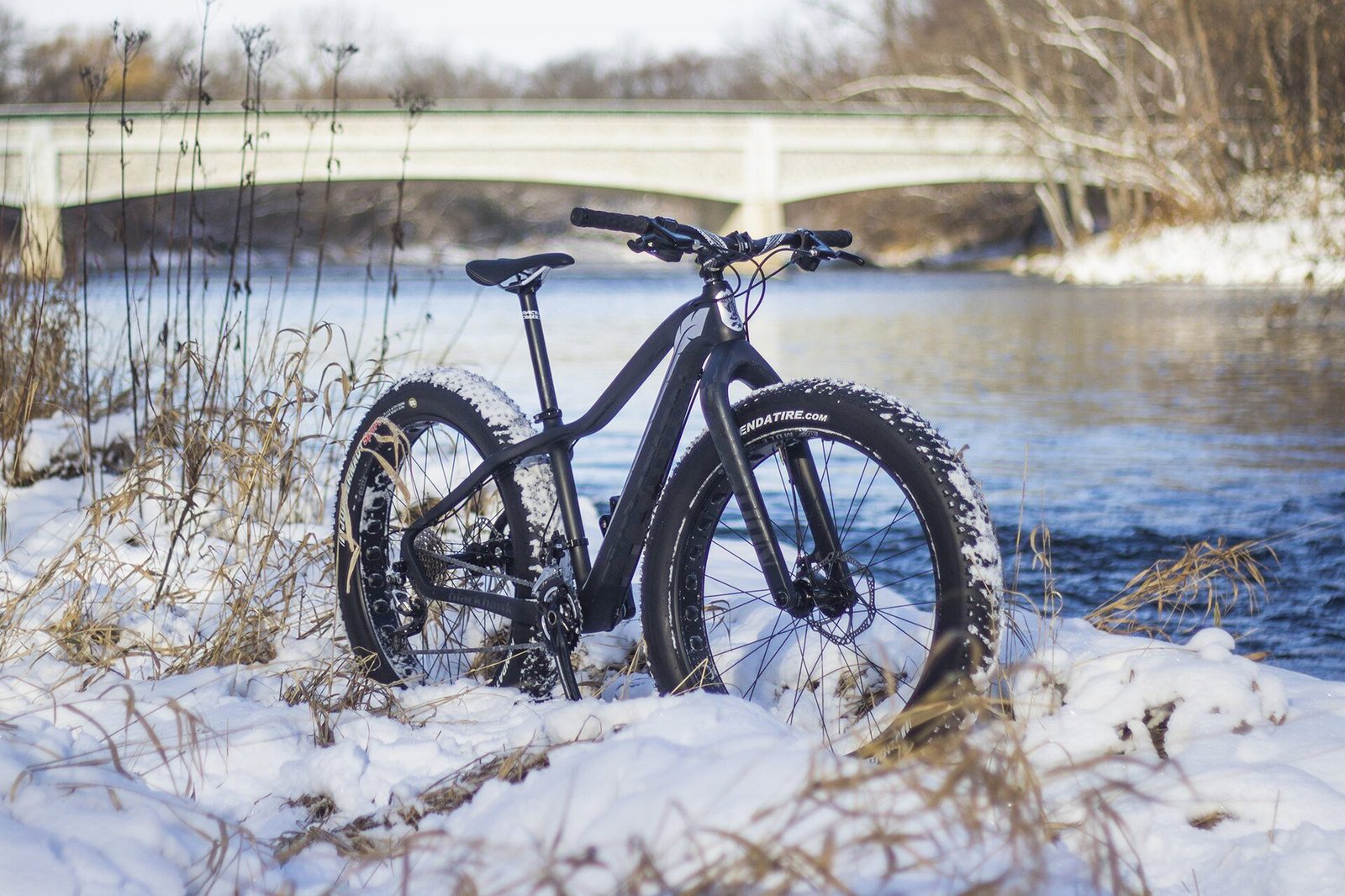
Fat tires look like fun — and they are, in the right place. But they're a specialty tool, not an upgrade. Here's the no-hype comparison.
When fat tires make sense (and when they don't)
Fat tires (4"+ wide) float: on sand, snow, and loose gravel they stay on top where normal tires dig in. They also deliver a magic-carpet ride on rough pavement — natural suspension without moving parts.
The costs are real: more weight, more rolling resistance (expect 10–20% less range than the same bike on standard tires), more noise on pavement, and slower handling. For beach towns, snowy regions, hunting, and off-grid use, they're the right tool. For paved commuting on decent roads, they're overkill — a 2.2–2.6" tire gives 80% of the comfort with far less penalty.
Head-to-head
- Comfort: fat wins on rough surfaces; suspension + regular tires wins on pavement
- Efficiency: regular wins by 10–20% range
- Weight: regular wins by 10–15 lbs
- Handling: regular wins on pavement (precise); fat wins on soft surfaces (floats)
- Noise: regular wins — fat tires hum on pavement
- Versatility: regular wins for mixed use; fat wins for dedicated off-pavement
The verdict
Buy fat-tire if: sand, snow, hunting, or rough off-road is your primary use. Buy regular if: pavement, commuting, or mixed riding dominates. The middle ground: 2.6–3.0" 'plus' tires give much of the comfort with far less penalty — the smart choice for most riders.
Frequently asked questions
Do fat tires make e-bikes slower?
Effectively yes — more rolling resistance and weight mean less range and lazier acceleration for the same power.