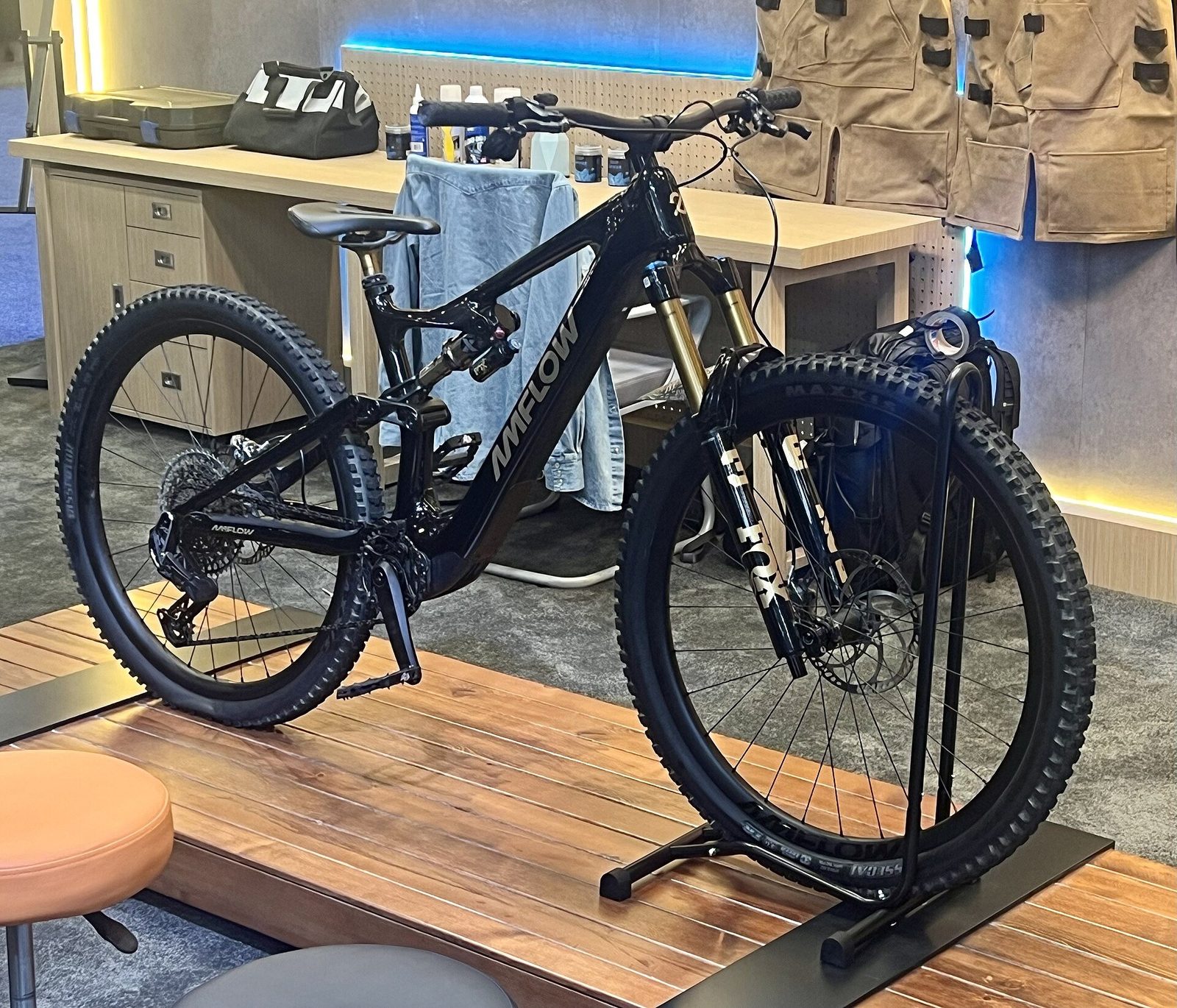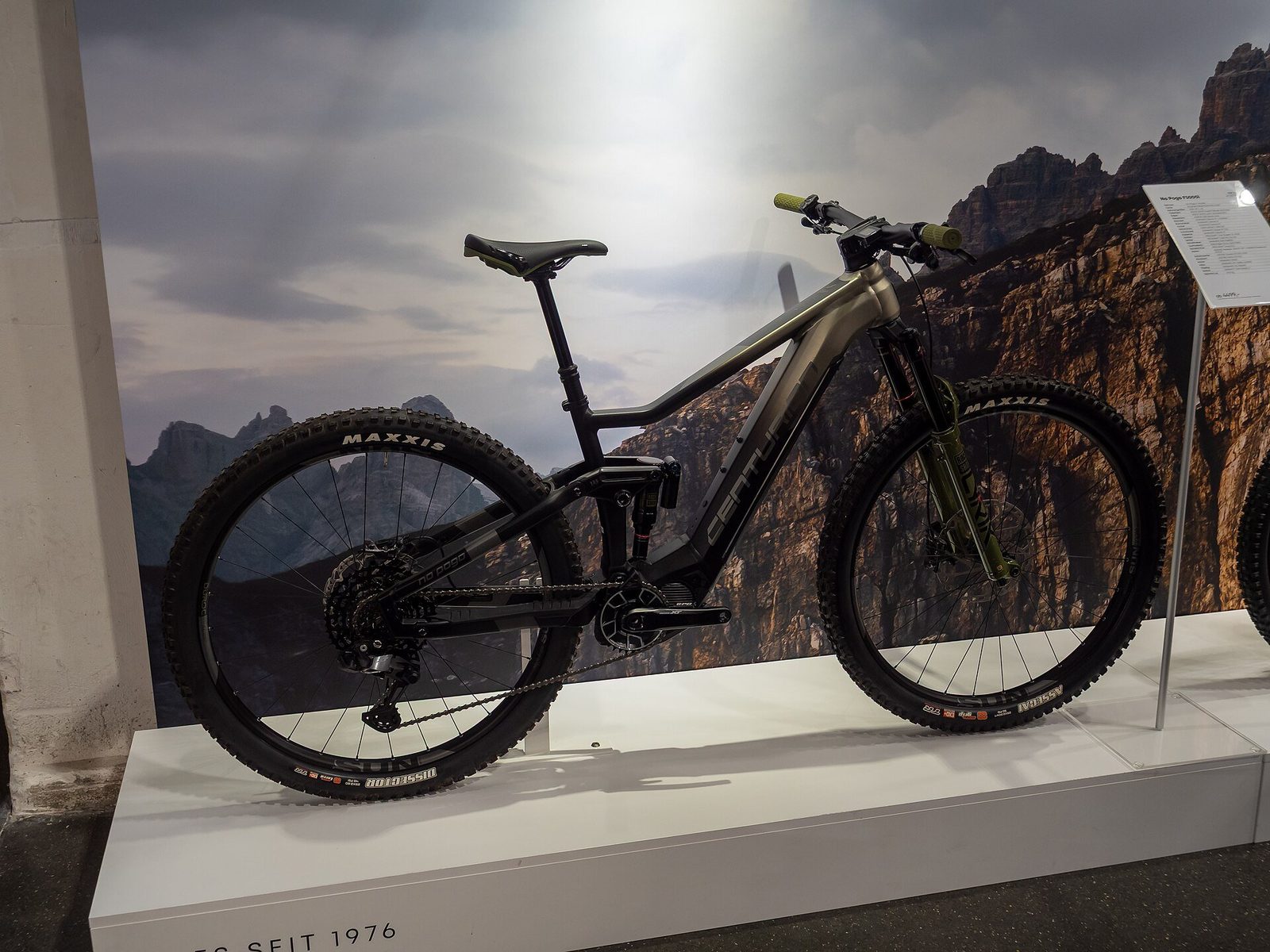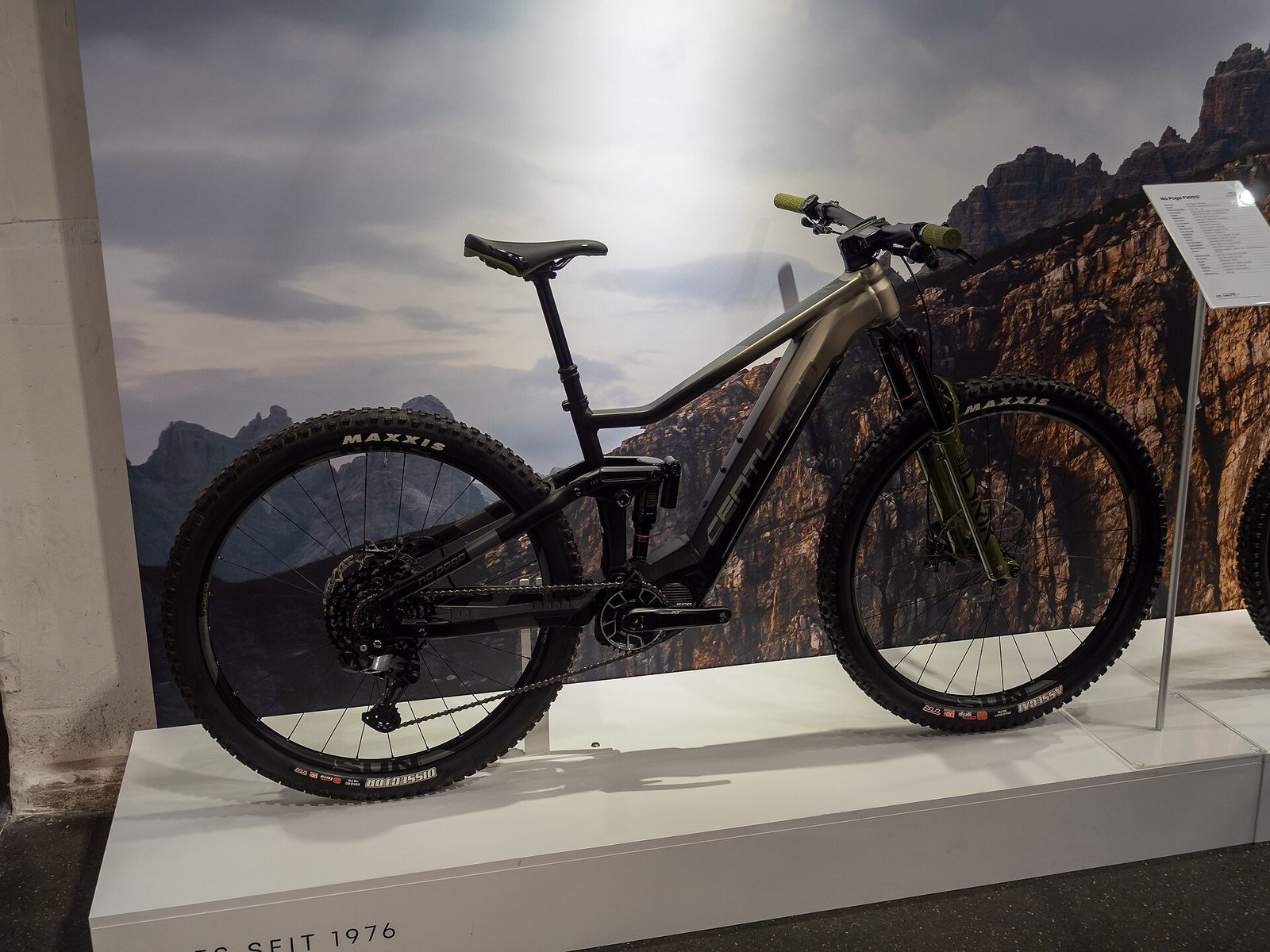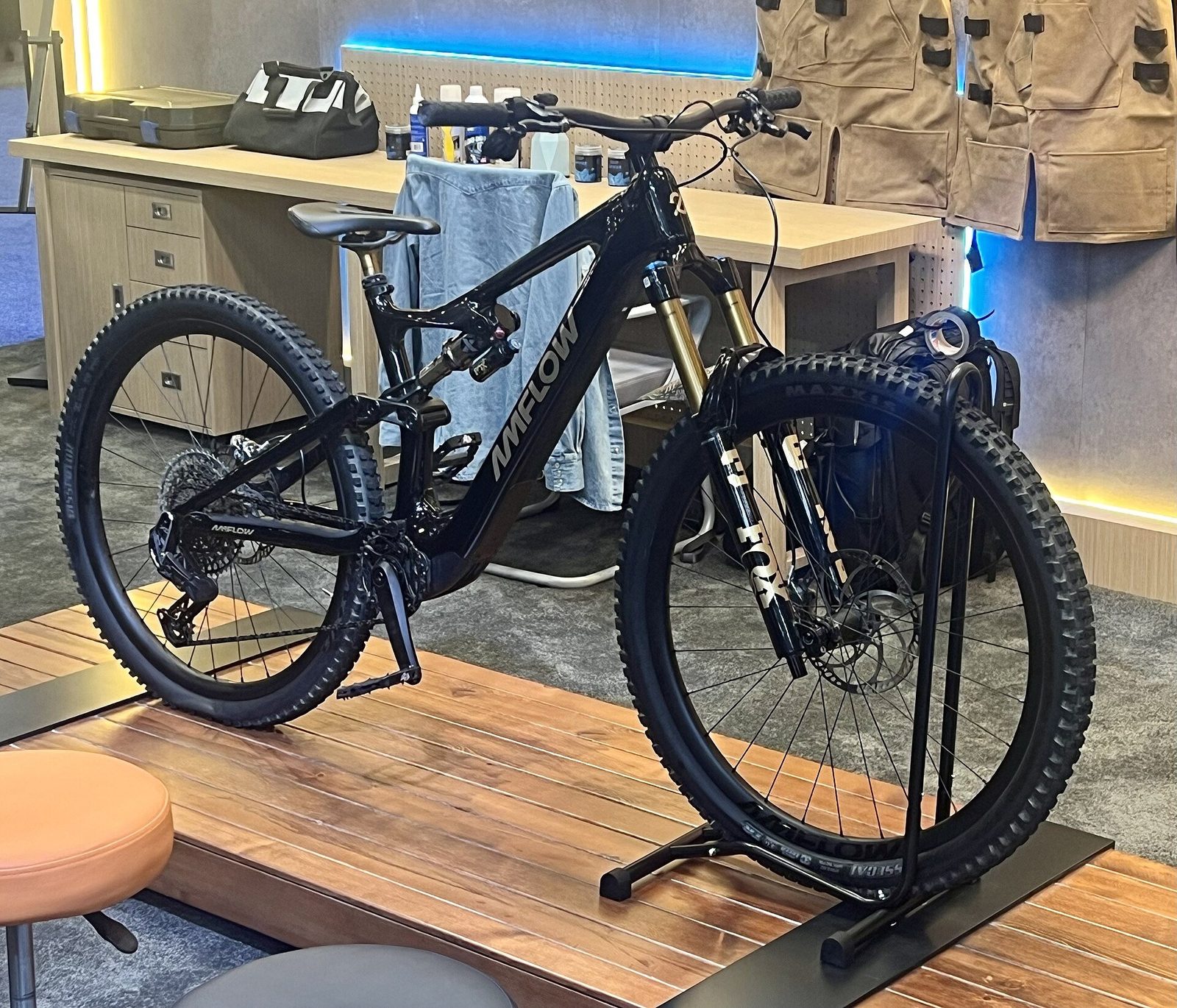
Full-power e-MTBs weigh 50–55 lbs. Lightweight (SL) e-MTBs cut that to ~40 lbs with smaller motors and batteries — less assist, but handling that feels like a real mountain bike. Here's who they're for.
Full-power vs lightweight
- Full-power (85Nm+, 625–750Wh): maximum assist, shuttle-like climbing, heavier and less playful
- Lightweight (35–60Nm, 320–430Wh): 'take the edge off' assist, natural handling, shorter range
Lightweight e-MTBs suit fit riders who want help, not a moped — and anyone who values playfulness over raw climbing speed. They're also easier to load, maneuver, and ride with the motor off.
E-MTB battery range on real trails
Trail riding is the harshest range scenario: constant climbing, high assist, heavy tires. A 625Wh battery that delivers 40 miles on the road might give you 2–3 hours / 20–30 miles on mellow trails, less on steep technical terrain in Turbo mode.
Stretch it: ride Eco or Trail mode on flats and save Turbo for the steep pitches; keep cadence high and gears low (motors are most efficient spinning, not grinding); and know that cold weather can cut range 20–30%. Many premium e-MTBs support range extender bottles — a ~250Wh auxiliary pack for big days. For all-day epics, that's cheaper and lighter than a second full battery.
Frequently asked questions
Are lightweight e-MTBs worth the premium?
They cost as much as full-power bikes for less assist — you're paying for weight savings and ride feel. Worth it if you prioritize handling; not if you want maximum help.