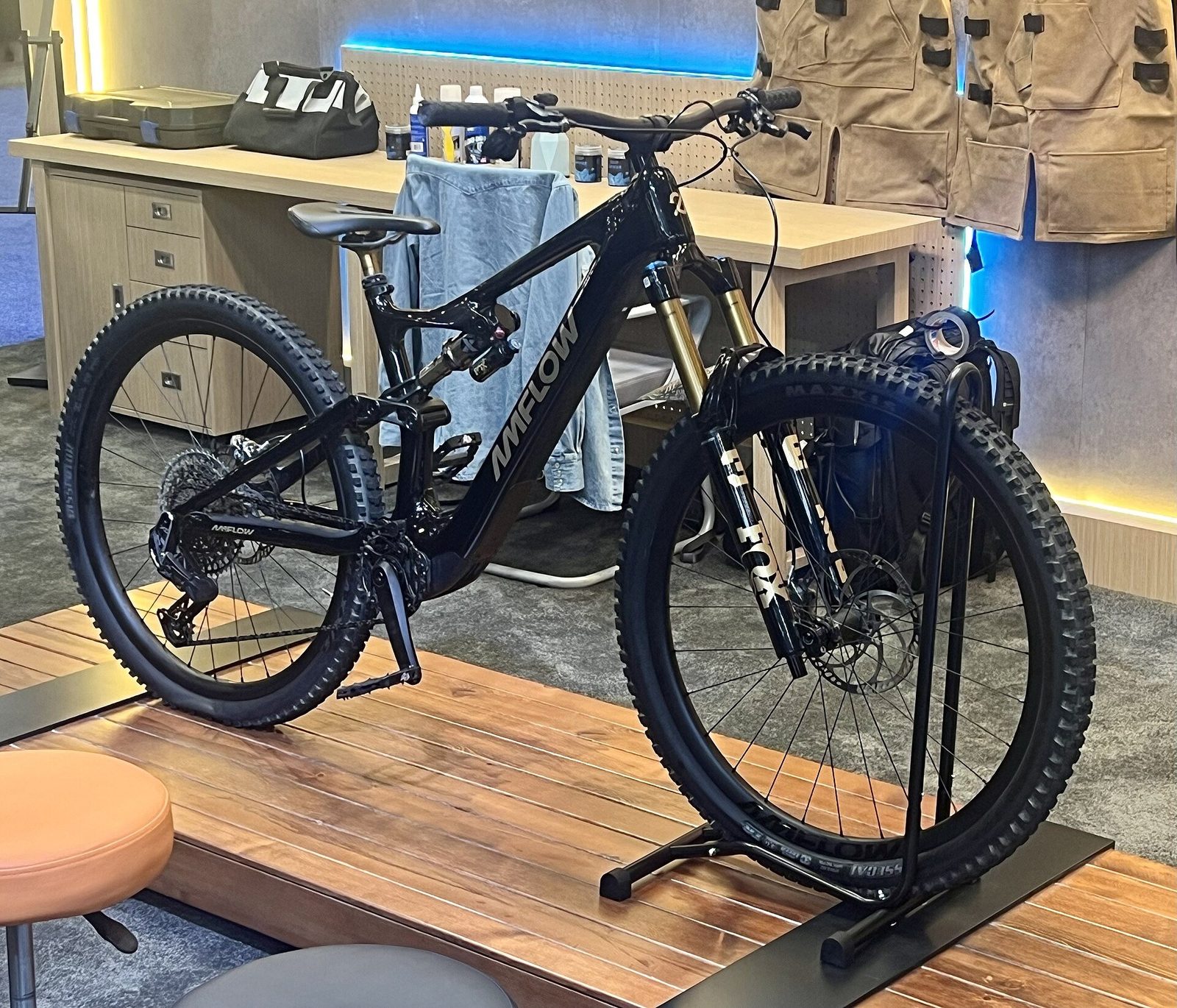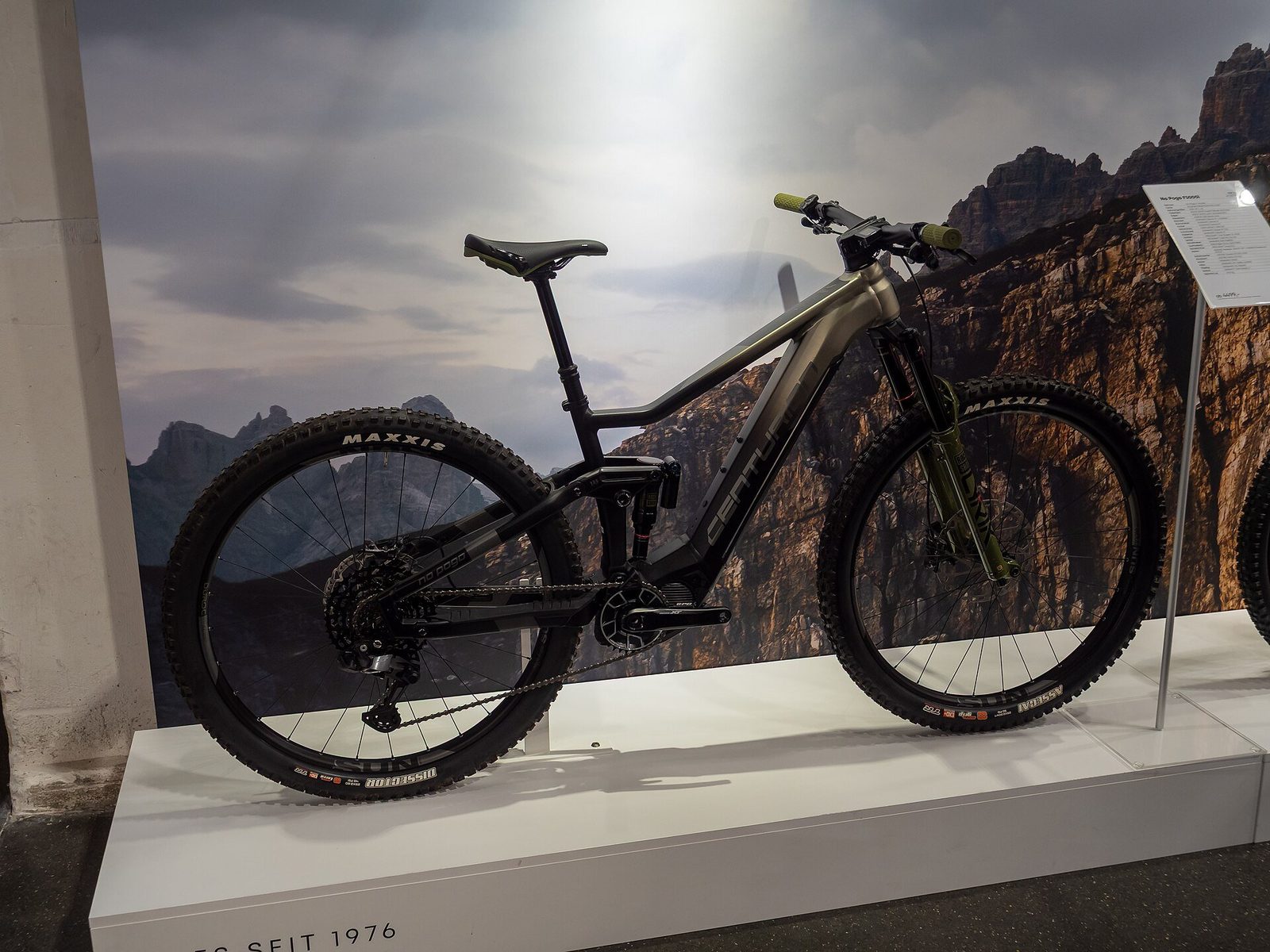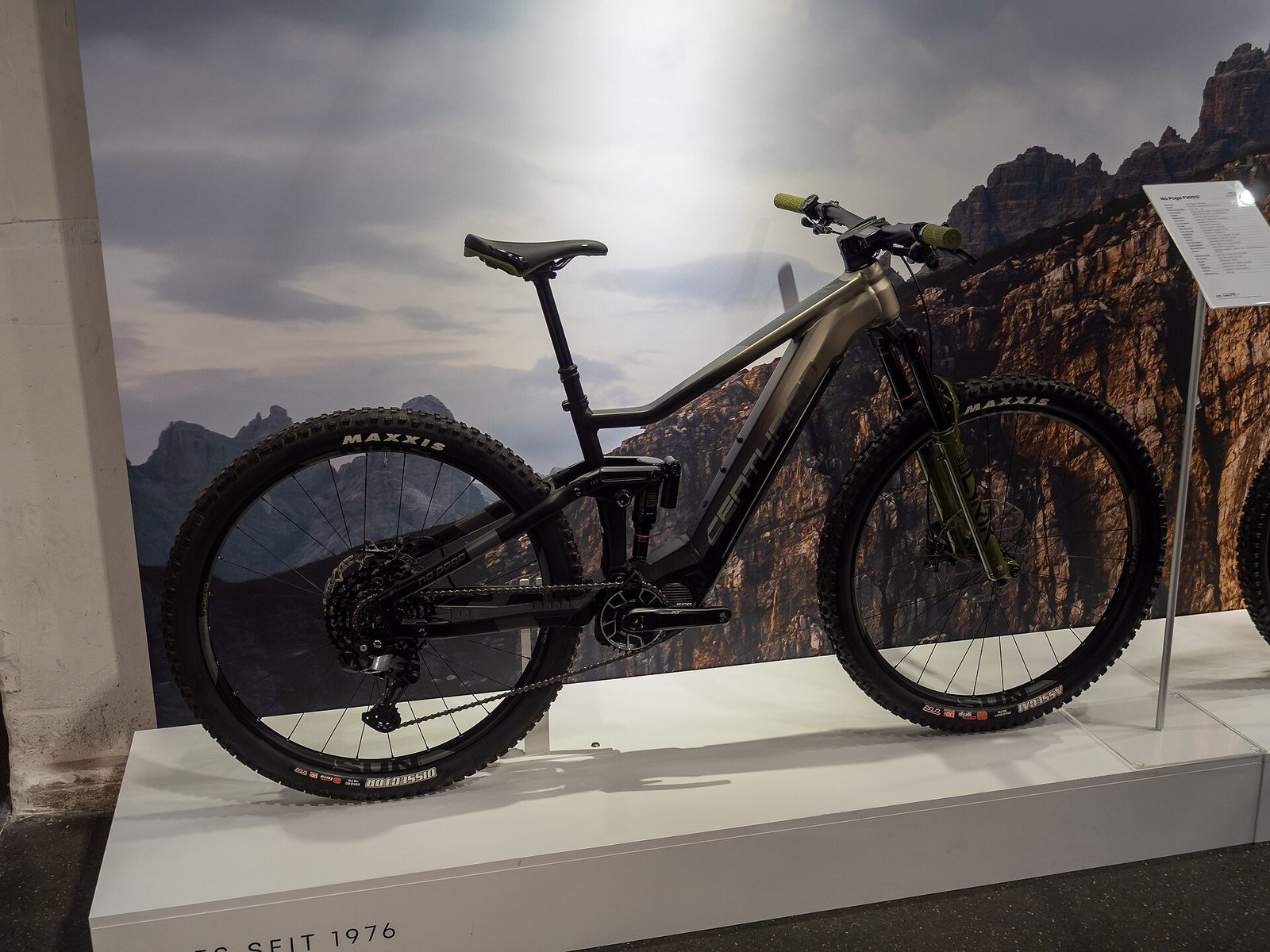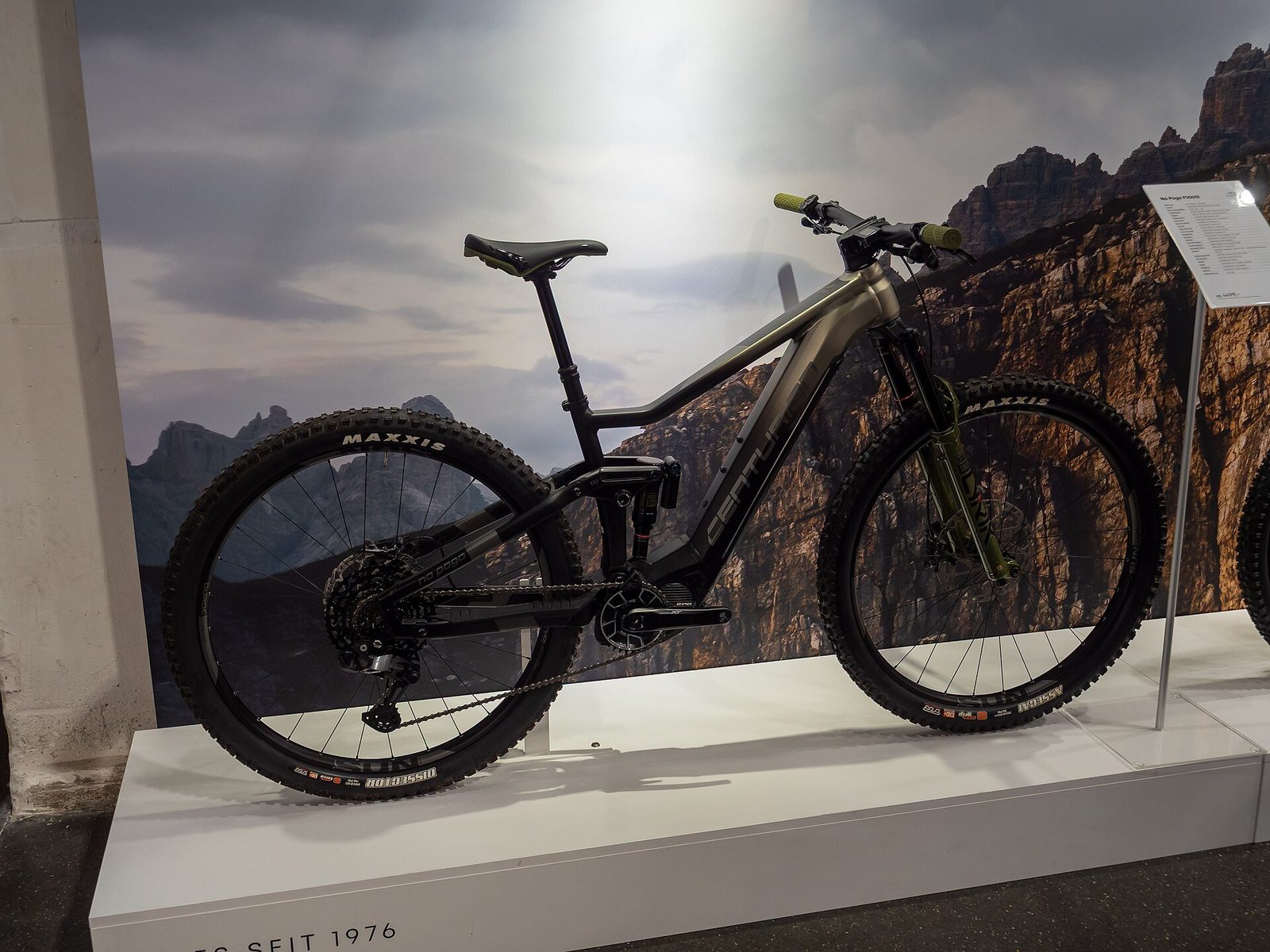
Here's the truth about budget e-MTBs: new mid-drive e-MTBs under $2,500 are rare — the good stuff starts higher. But that doesn't mean you're priced out. The used market, previous-year models, and smart hardtail choices get you on real trails for much less. Here's the playbook.
- The used market is the #1 budget e-MTB strategy — 2-year-old premium bikes sell for half price.
- A quality hardtail beats a cheap full-suspension every time.
- Never compromise on: brakes, battery health (used), and brand support.
Strategy 1: Buy used
The e-MTB used market is a buyer's paradise — riders upgrade frequently, and 2–3 year old premium e-MTBs (Bosch/Shimano, $5,000 new) routinely sell for $2,000–2,800. What to check: battery health (ask for a range test or shop diagnostic — a new battery is $800+), frame for cracks (especially around the motor mount), suspension service history, and motor error codes on the display. Buy from riders with maintenance records, not flippers.
Strategy 2: Previous-year models
Shops discount last year's e-MTBs 20–35% when new models land (typically late summer/fall). A $3,800 bike becomes $2,600 — with full warranty. Ask shops about incoming inventory and be ready to buy when discounts hit.
Strategy 3: Hardtail, done right
A $1,800–2,400 hardtail e-MTB with a decent motor beats a $2,400 full-suspension bike with cut corners. On mellow to moderate trails, you won't miss the rear shock — and you'll get better components everywhere else. Upgrade to full suspension later when your trails (and budget) demand it.
Where not to cut corners
- Brakes: hydraulic discs with 180mm+ rotors — non-negotiable on trails
- Battery health (used): the most expensive hidden cost
- Brand support: a cheap bike nobody services is the most expensive bike
Hardtail vs full-suspension e-MTBs
Hardtails (front suspension only) are lighter, cheaper, more efficient on smooth climbs, and simpler to maintain. For mellow singletrack, gravel, and fire roads, a hardtail e-MTB is plenty — and you'll get more battery and motor for your money.
Full-suspension adds a rear shock: more traction, more comfort, more control on rough descents and technical terrain. It costs $800–1,500+ more at equivalent spec, adds weight, and needs shock maintenance — but if your trails are rocky, rooty, or steep, it's transformative.
The call: smooth to moderate trails → hardtail and pocket the savings. Rough, technical, or lift-served riding → full suspension. When in doubt, rent both for a day on your local trails before buying.
Frequently asked questions
Can a $1,500 e-MTB handle real trails?
Mellow to moderate trails, yes. Rocky, steep, technical terrain exposes the limits of hub motors and budget suspension. Know your trails — and consider used.
What's the first upgrade on a budget e-MTB?
Tires (tubeless, trail-appropriate tread), then brake pads/rotors, then contact points. Those transform the ride for a few hundred dollars.
Is buying a used e-MTB risky?
The battery is the risk — everything else is standard bike stuff a shop can assess. Get a pre-purchase inspection ($50–100) for anything over $1,500.