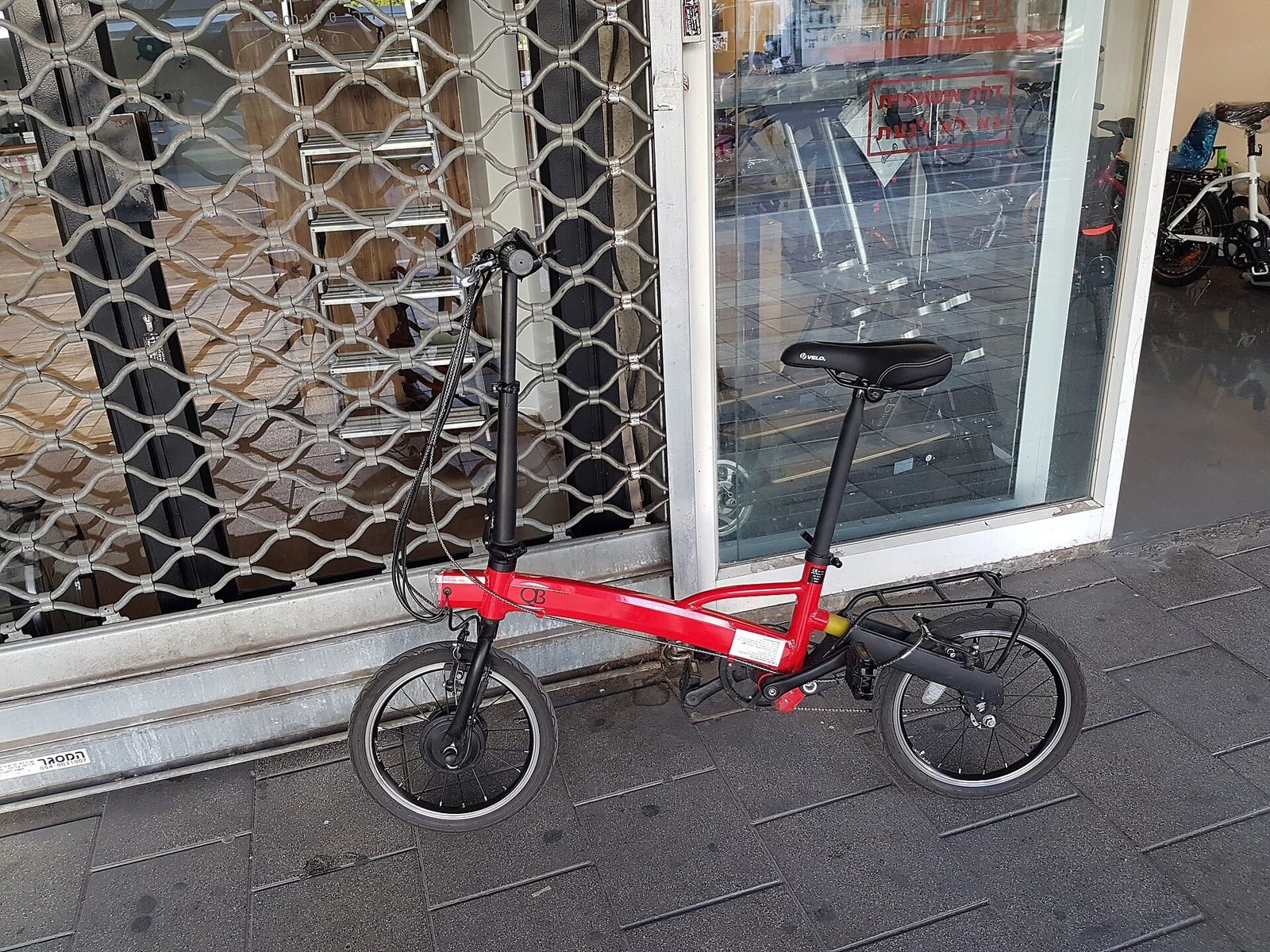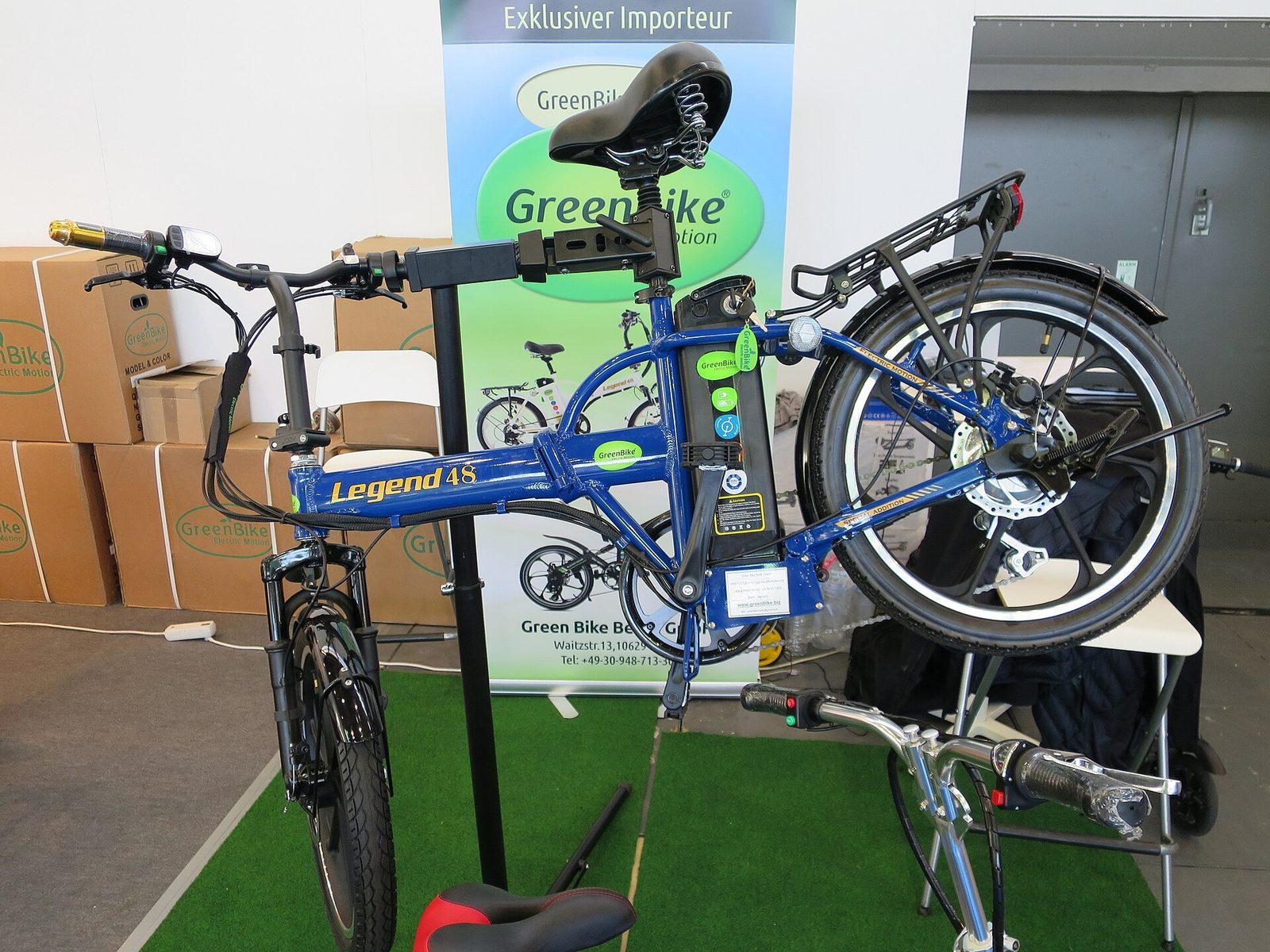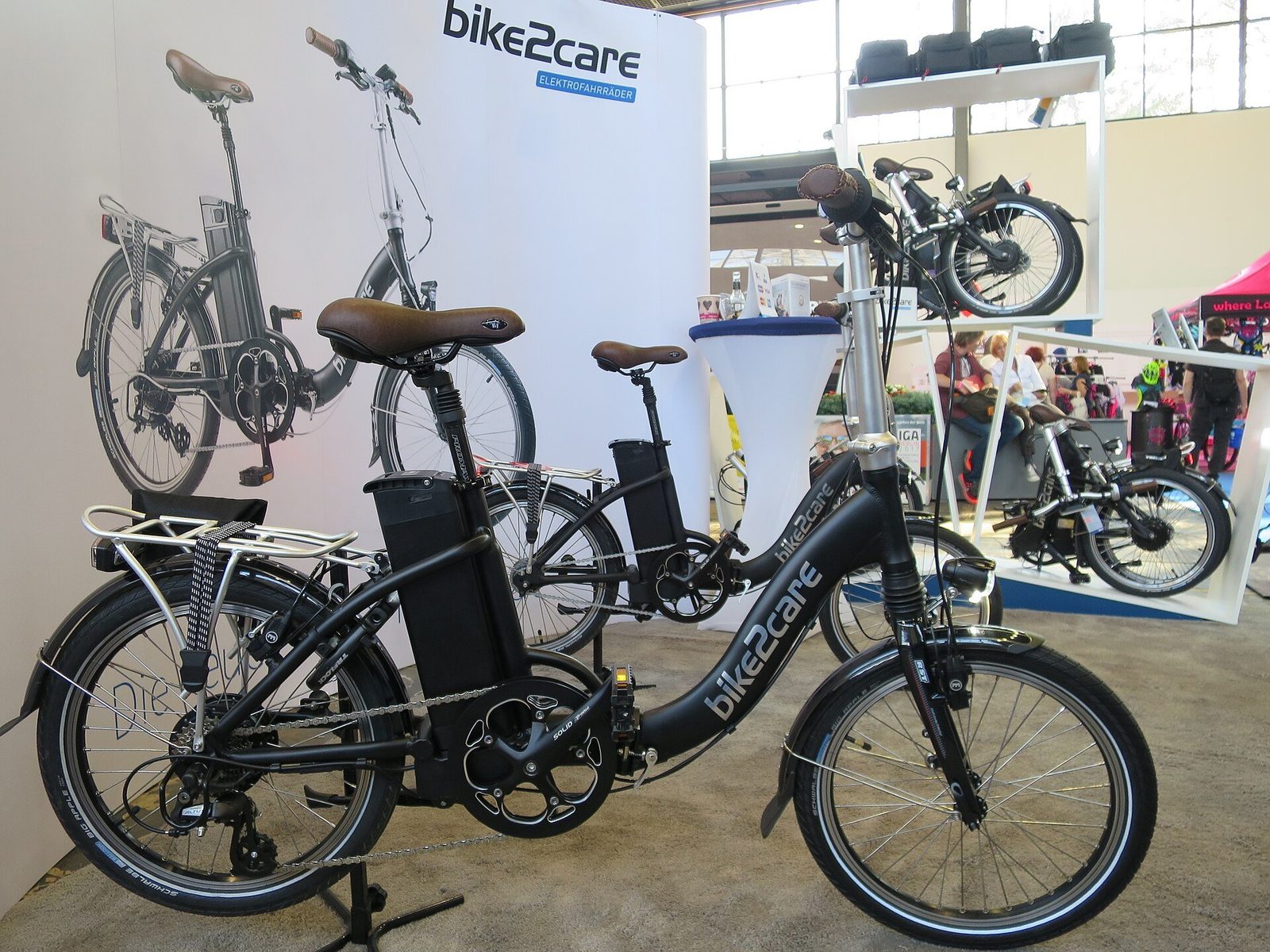
'Folding' and 'light' rarely coincide — most folders weigh 45–60 lbs. Lightweight folders (under ~40 lbs) exist, but the weight comes from somewhere. Here's the trade.
Where the weight goes (and goes away)
Light folders cut battery (300–400Wh), use smaller motors (250–350W), and spec lighter components. Result: 35–40 lbs, but 15–25 mile real range and mellow power. That's plenty for flat city hops and transit connections — and inadequate for hilly 20-mile commutes. Match the bike to the mission.
What to check on a folding e-bike
A folding e-bike lives or dies by its hinge. When evaluating one:
- Latch quality: hinges should lock with a positive, confidence-inspiring click — no play, no rattles. This is a safety-critical part.
- Folded size: measure your trunk, closet, or RV compartment and compare against the folded dimensions, not the marketing photos.
- Weight: folders still weigh 40–60 lbs. "Portable" does not mean "light" — can you actually lift it into a trunk?
- Ride quality: small wheels (often 20") are twitchy at first; wider tires and a longer wheelbase help. Test ride before committing.
- Magnetic/strap retention when folded — a folder that unfolds itself in your trunk is infuriating.
Affiliate disclosure: VoltPath is reader-supported. When you buy through links on our site we may earn an affiliate commission at no extra cost to you. Learn more.
Frequently asked questions
What is a good weight for a folding e-bike?
Under 40 lbs is genuinely portable; 40–50 is manageable; 50+ is 'folding for storage, not carrying.' Be honest about your stairs.