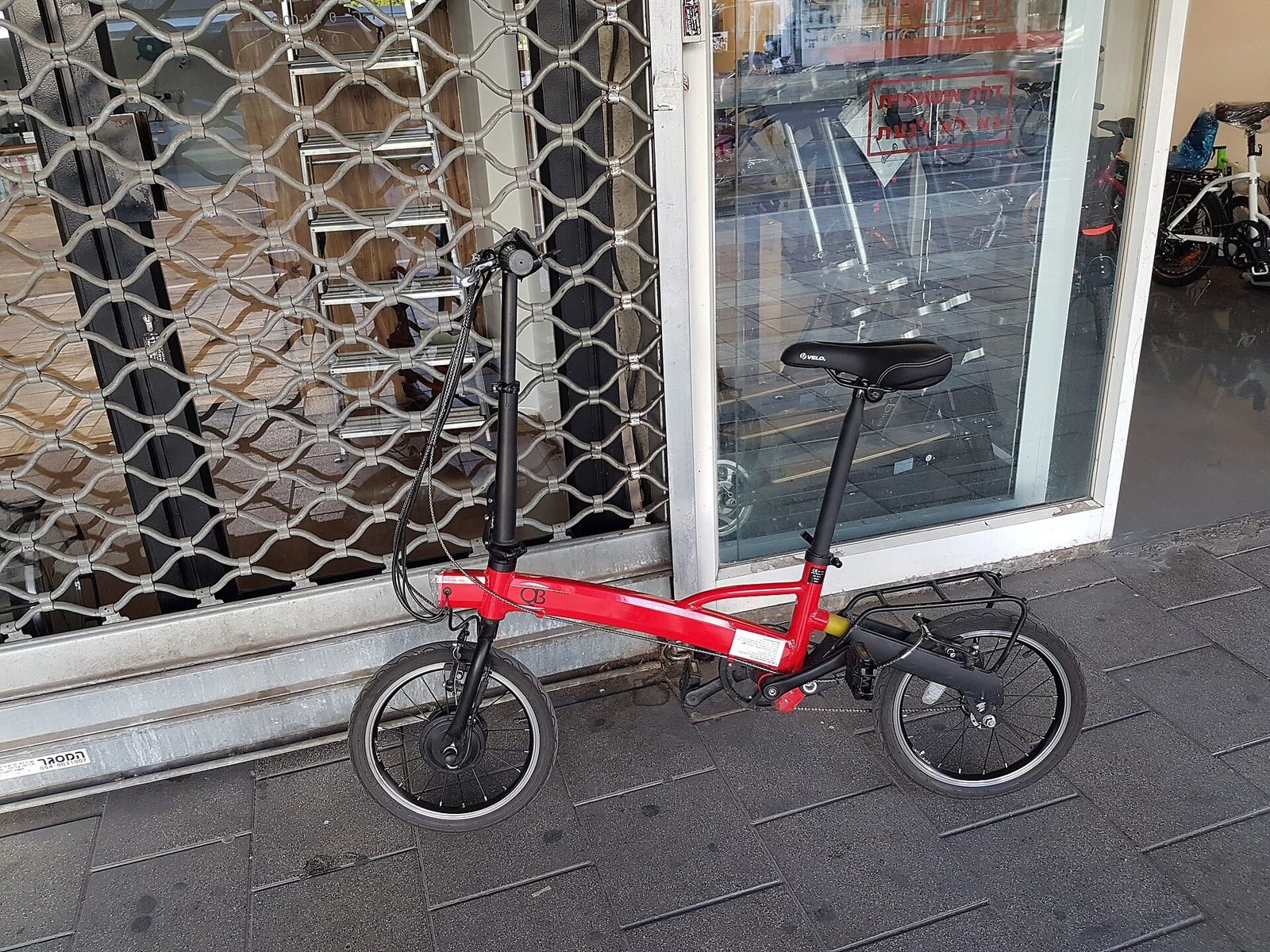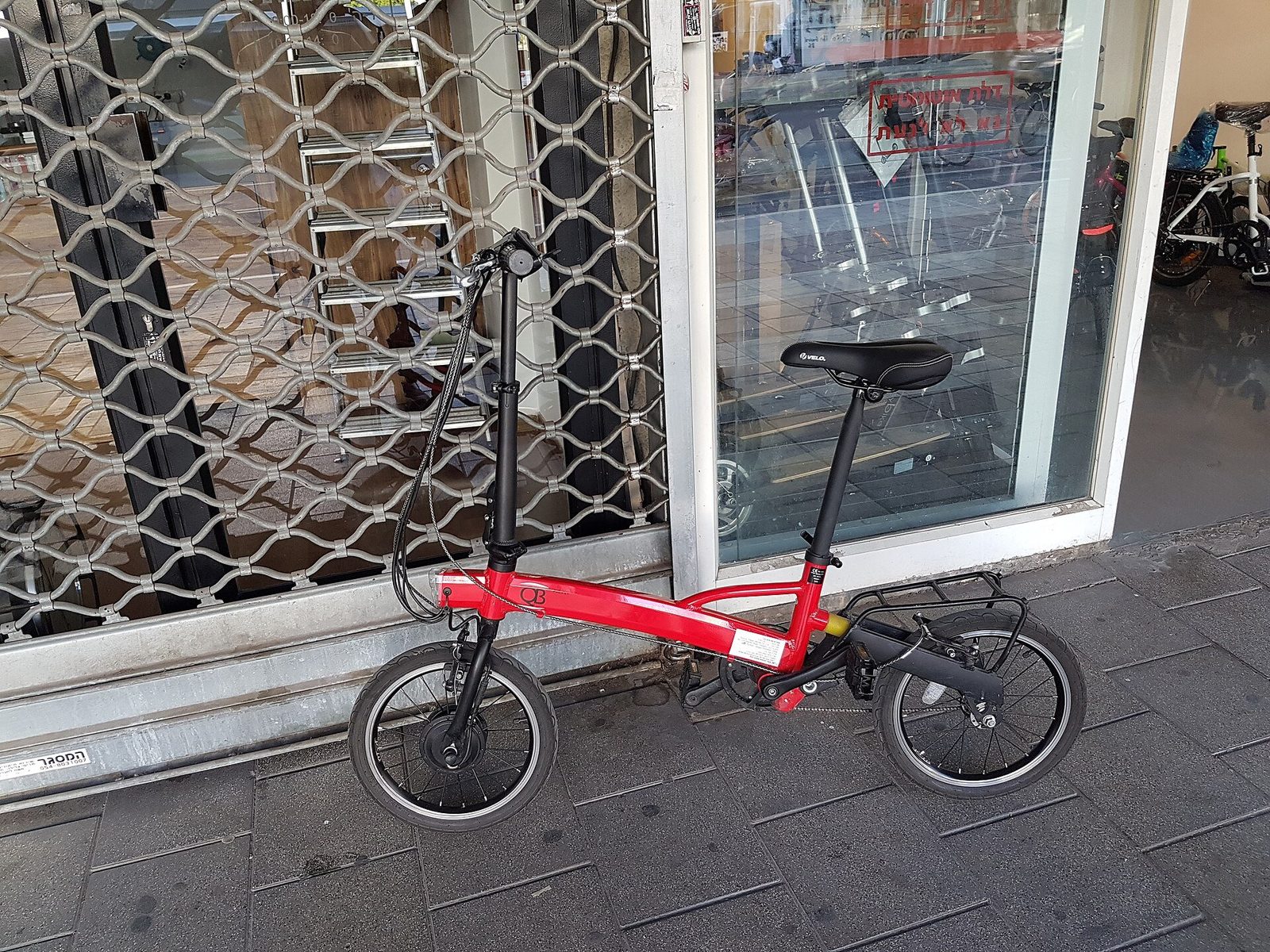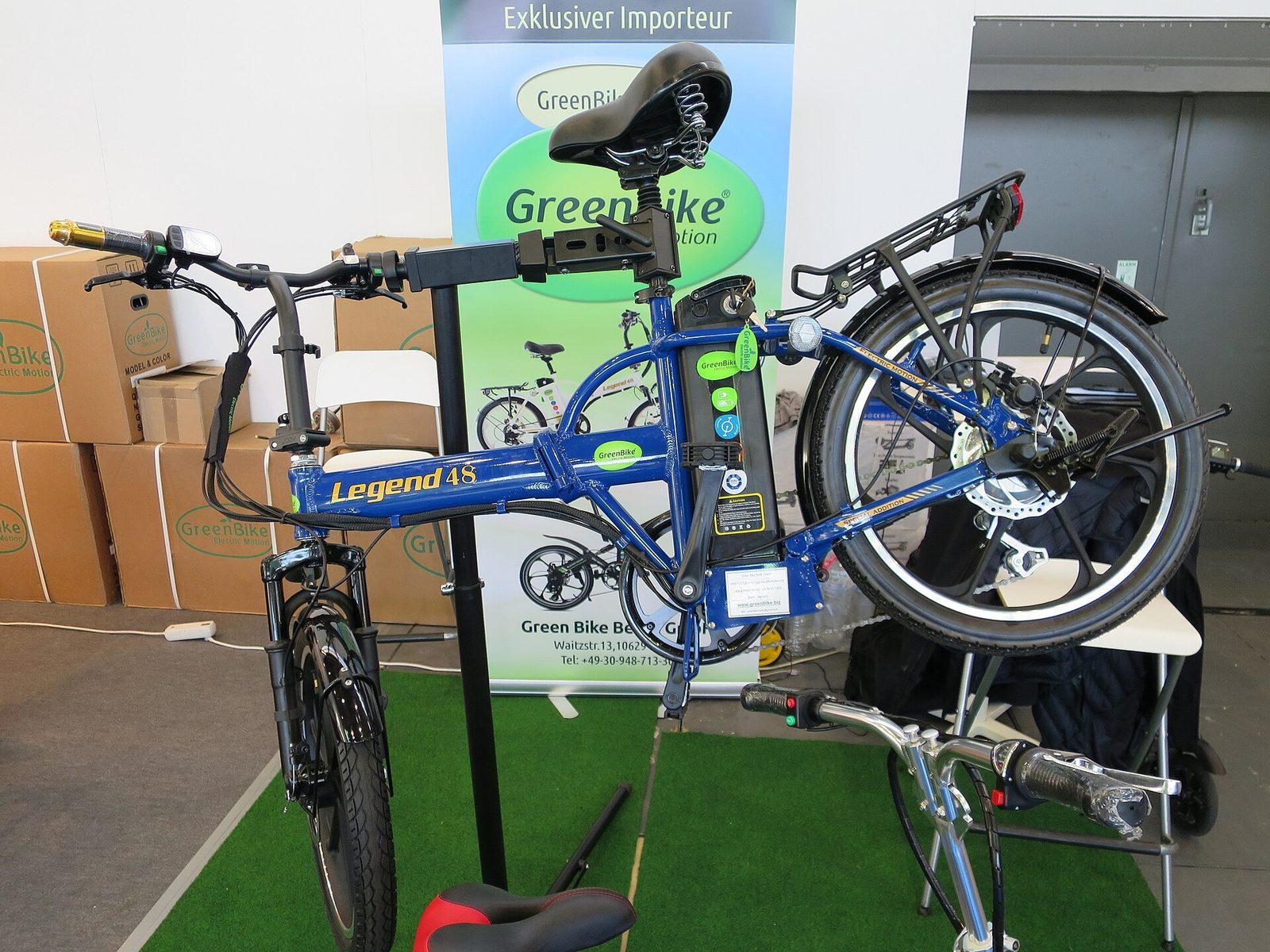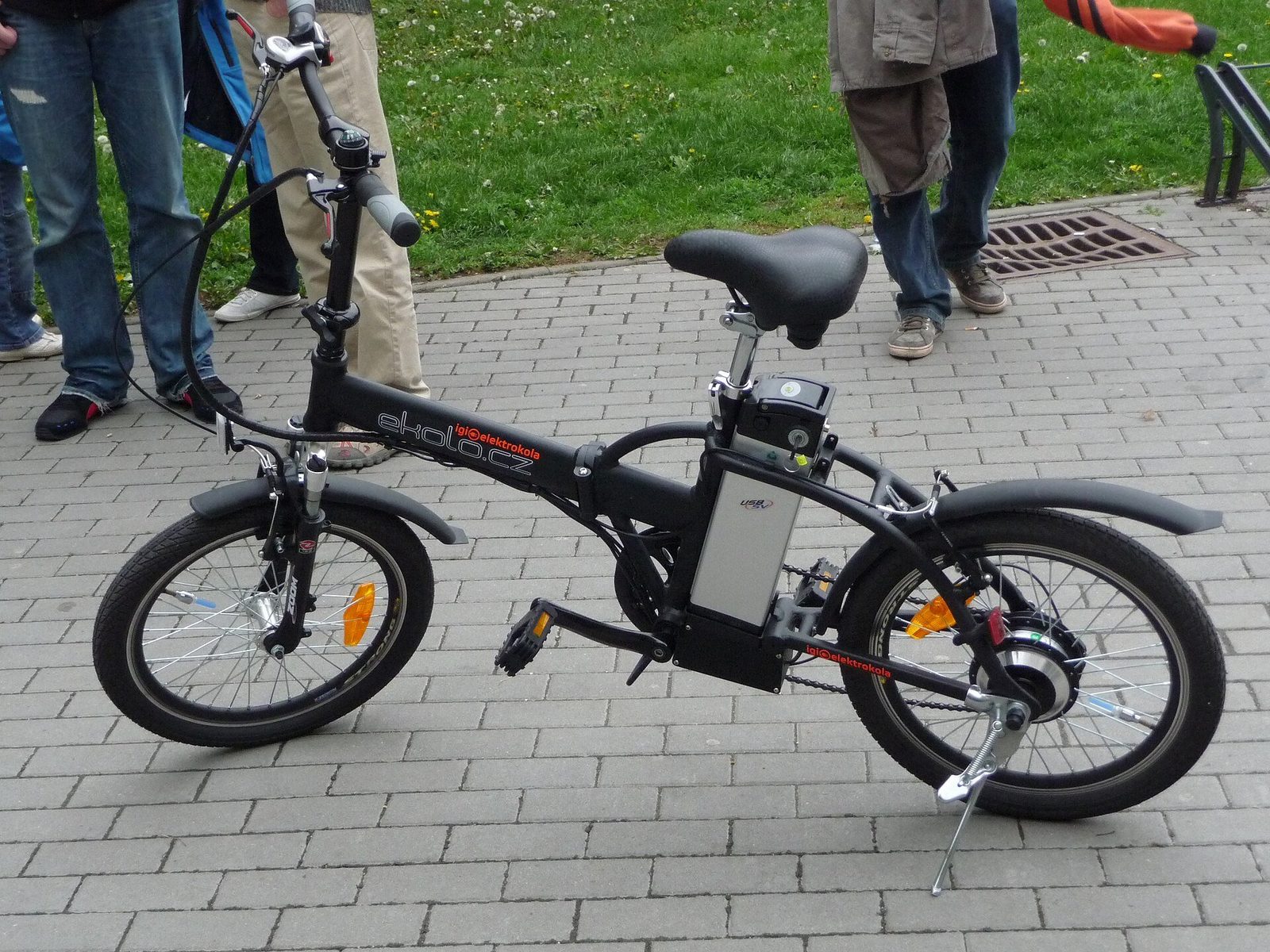
RVers were early folding-e-bike adopters for good reason: a folder lives in a basement compartment, deploys in 30 seconds, and turns a 5-mile pedal to town into a 15-mile adventure. Here's how to choose.
The RV checklist
- Folded dimensions vs your compartment — measure first, buy second
- Weight: you'll lift it in and out constantly; under 55 lbs is noticeably nicer
- Fat tires (4"): campground gravel, sand, and grass favor float
- Range: exploring means 30+ mile days — 500Wh+
- Rack mounts: for groceries and gear runs
Charging off-grid
A 500Wh battery holds ~0.5 kWh — trivial for shore power, fine for a modest solar + inverter setup, but plan around it on boondocking trips. Charge during peak sun, and carry the charger (they're small). A second battery doubles exploration range if your rig's power budget allows.
What to check on a folding e-bike
A folding e-bike lives or dies by its hinge. When evaluating one:
- Latch quality: hinges should lock with a positive, confidence-inspiring click — no play, no rattles. This is a safety-critical part.
- Folded size: measure your trunk, closet, or RV compartment and compare against the folded dimensions, not the marketing photos.
- Weight: folders still weigh 40–60 lbs. "Portable" does not mean "light" — can you actually lift it into a trunk?
- Ride quality: small wheels (often 20") are twitchy at first; wider tires and a longer wheelbase help. Test ride before committing.
- Magnetic/strap retention when folded — a folder that unfolds itself in your trunk is infuriating.
Shop RV-ready folders
Folding e-bikes built for RV compartments and campground exploring.
Check Current Price →Frequently asked questions
Where do RVers store folding e-bikes?
Basement compartments (most common), inside the rig, or on a hitch rack with a cover. Inside is best for security and weather.
Are fat-tire folders better for campgrounds?
Usually yes — gravel, grass, and sand are fat tires' home turf. The weight penalty matters less when the bike lives in a compartment.