Here's the honest answer: true commuter e-bikes under $1,000 from established brands are rare — the math of motors, batteries, and brakes doesn't fit the price. What exists at this price is usually a basic hub-drive bike that's fine for flat, short trips but compromised for daily commuting. Here's how to think about it.
- Under $1,000, prioritize brand support over specs — the plainest bike from a real company beats the best-specced bike from a ghost.
- The used and refurbished market is where sub-$1,000 value actually lives.
- Stretching to $1,200–$1,500 buys a disproportionate jump in quality.
What sub-$1,000 actually gets you
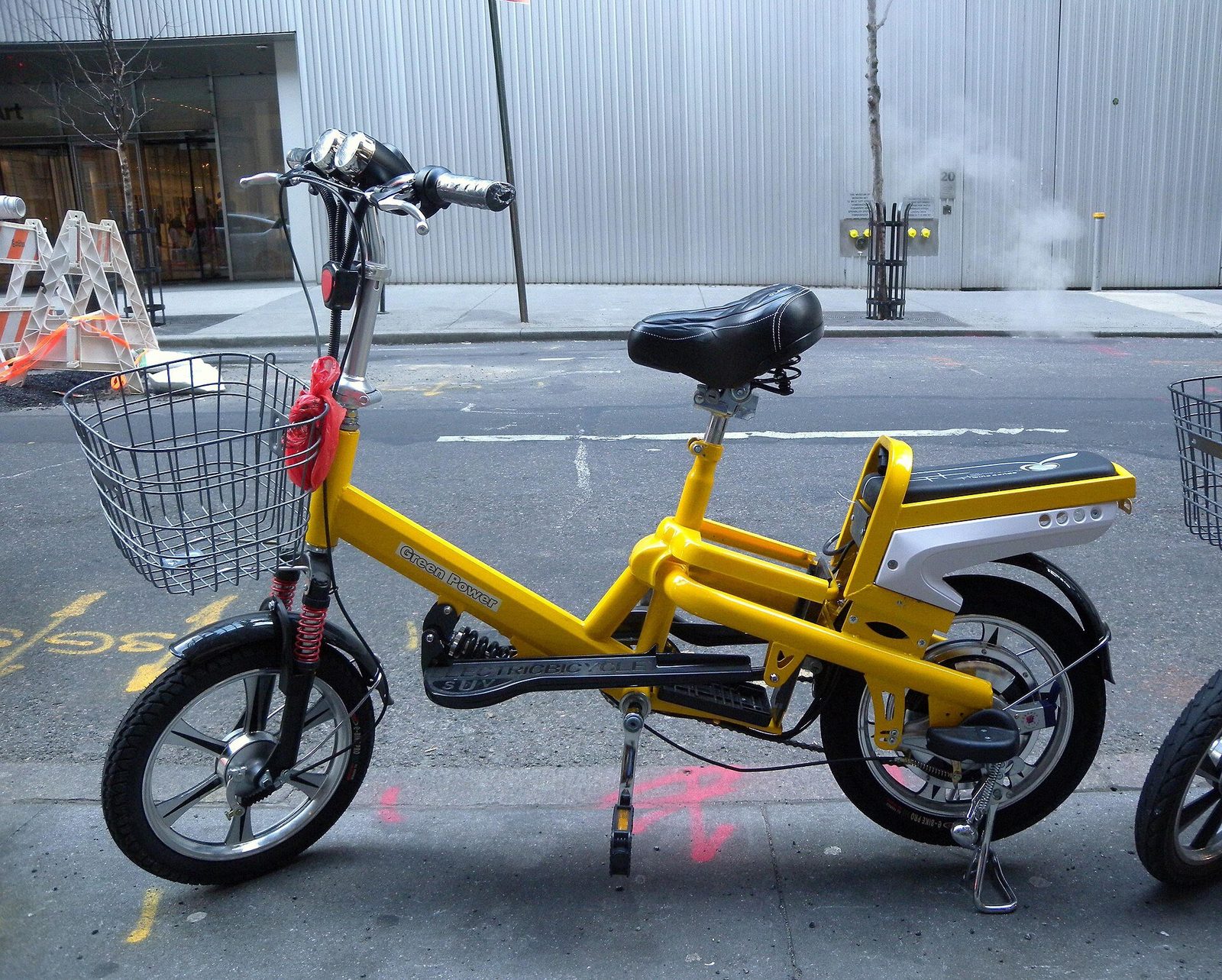
Typically: a 500W hub motor, cadence sensor, mechanical disc brakes, and a 350–400Wh battery — enough for flat commutes under ~6 miles each way. The compromises show up in support (the biggest risk at this price), component quality, and range. For occasional riders on flat routes, that's a fair deal. For daily commuters, it's a gamble.
The smarter plays at this budget
- Certified refurbished: brand-refurbished e-bikes often land under $1,000 with a warranty — the best value in the segment
- Used market: 2–3 year old mid-range bikes sell for half their original price; check battery health before buying
- Stretch to $1,200–$1,500: the quality jump per dollar is steepest right here — hydraulic brakes and bigger batteries appear
- Last year's models: shops discount previous-year inventory 20–30%
What you get at each price tier
- Under $1,000: basic hub motors, cadence sensors, mechanical disc brakes, smaller batteries (350–500Wh). Fine for flat, short commutes. Expect heavier frames and simpler displays.
- $1,000–$2,000: the value sweet spot. Bigger batteries (500–700Wh), hydraulic disc brakes appear, better welds and components, some torque sensors. Most commuters should shop here.
- $2,000–$3,500: mid-drive motors, torque sensors standard, name-brand drivetrains (Shimano), integrated batteries, belt-drive options, better suspension.
- $3,500+: premium systems (Bosch, Shimano EP, Brose), full integration, high-end suspension, cargo and specialty designs, dealer support networks.
Spending more mostly buys refinement — quieter motors, better ride feel, nicer components — rather than raw speed, which is capped by class limits anyway.
Warranties and support: read before you buy
Most e-bikes carry a 1–2 year warranty on electrical components, with batteries sometimes covered separately (often 2 years or a cycle count). Frame warranties run longer. But the paper warranty matters less than the company's support reality: do they answer the phone, ship replacement parts quickly, and have service documentation?
Before buying, search "[brand] warranty claim" and "[brand] customer service" to see real experiences. A responsive company with a 1-year warranty beats a ghost company with a 2-year warranty every time. Keep your receipt, register the bike, and record the serial number and battery serial on day one.
Frequently asked questions
Are sub-$1,000 e-bikes safe?
From established brands, yes — they meet the same safety standards. The risk isn't safety, it's support: getting parts and service for a no-name bike in two years.
Should I buy a used e-bike?
Often yes — it's the best sub-$1,000 strategy. Check battery health (ask for a range test), inspect the frame, and favor sellers with service records.