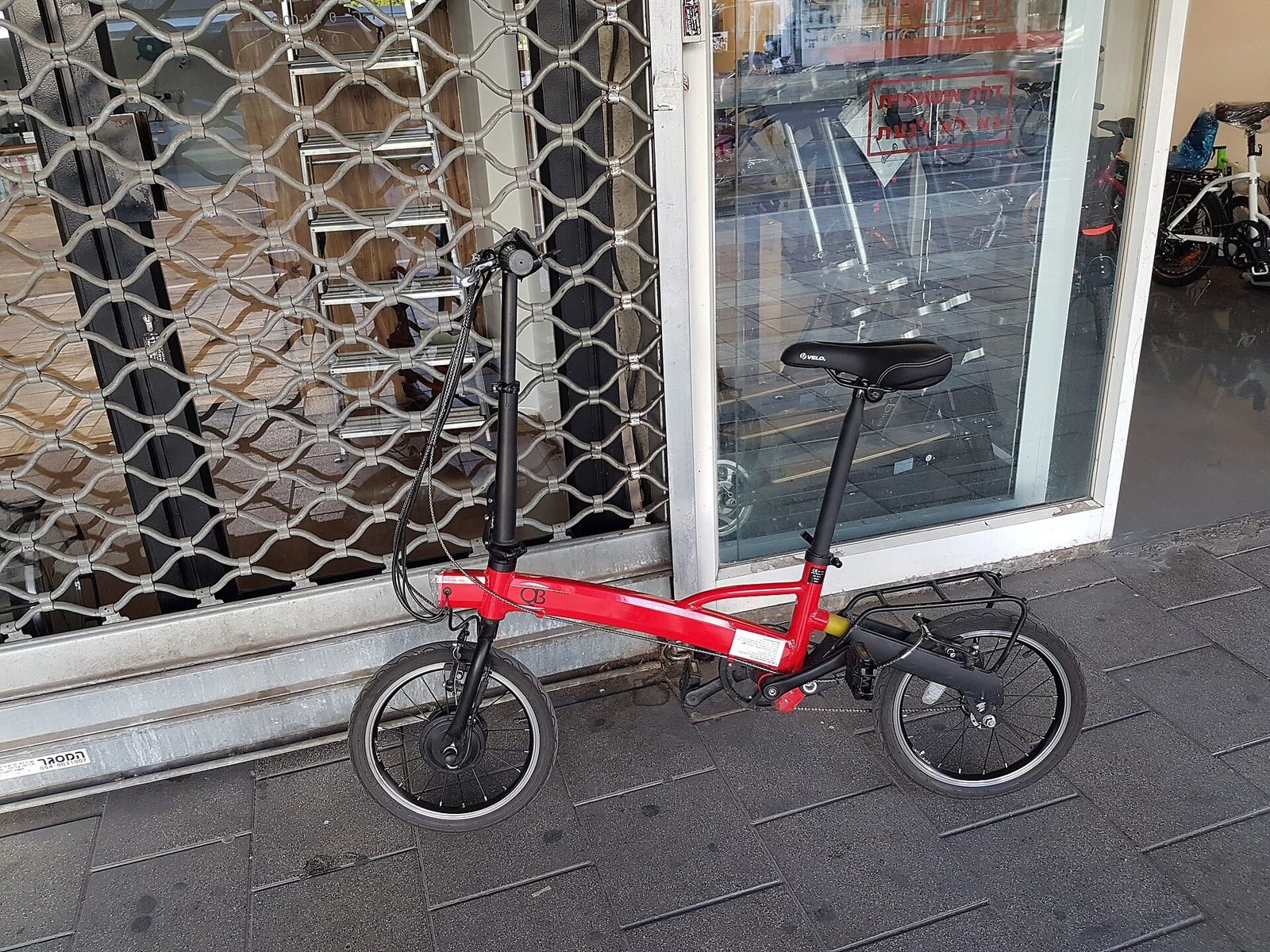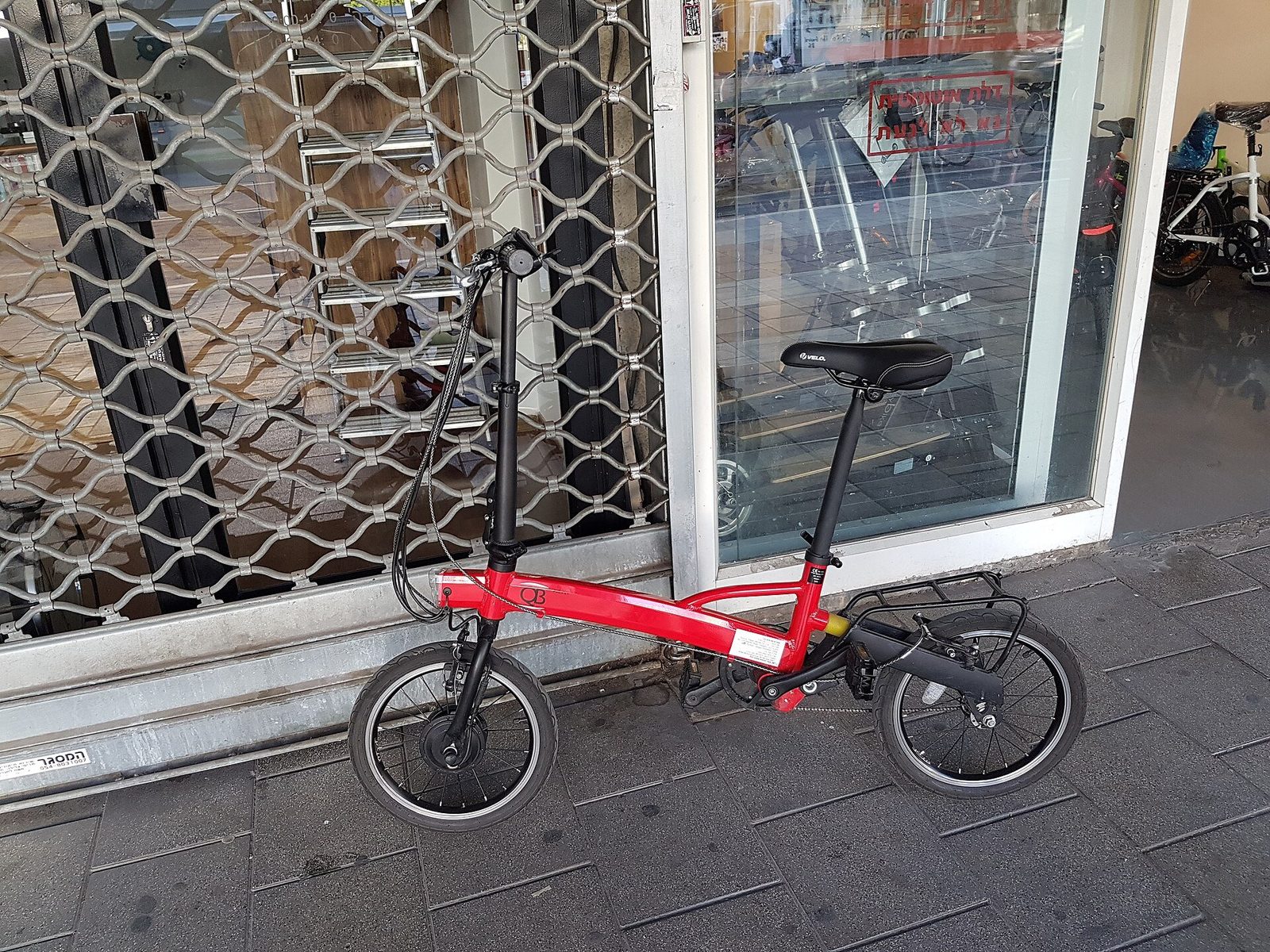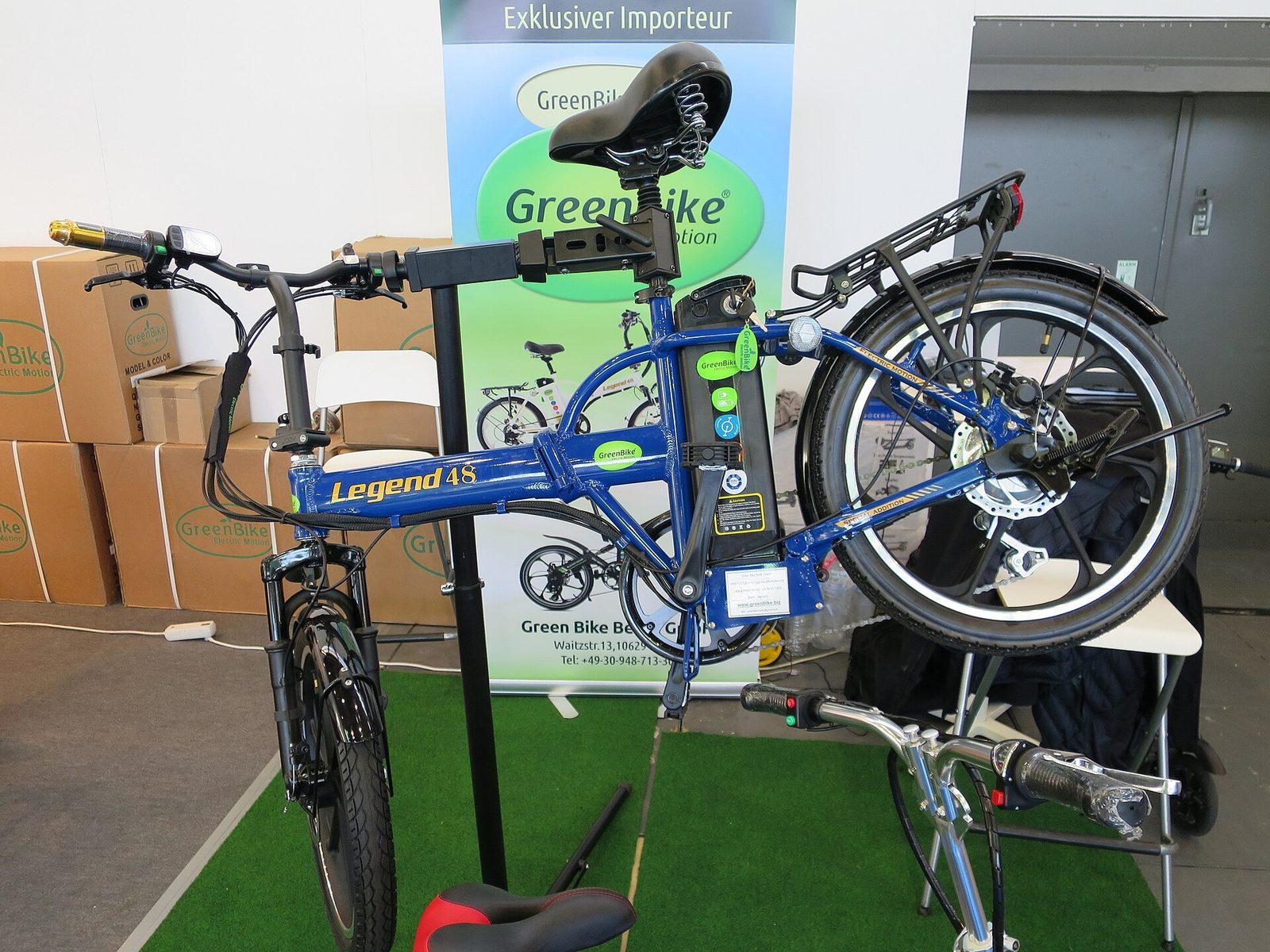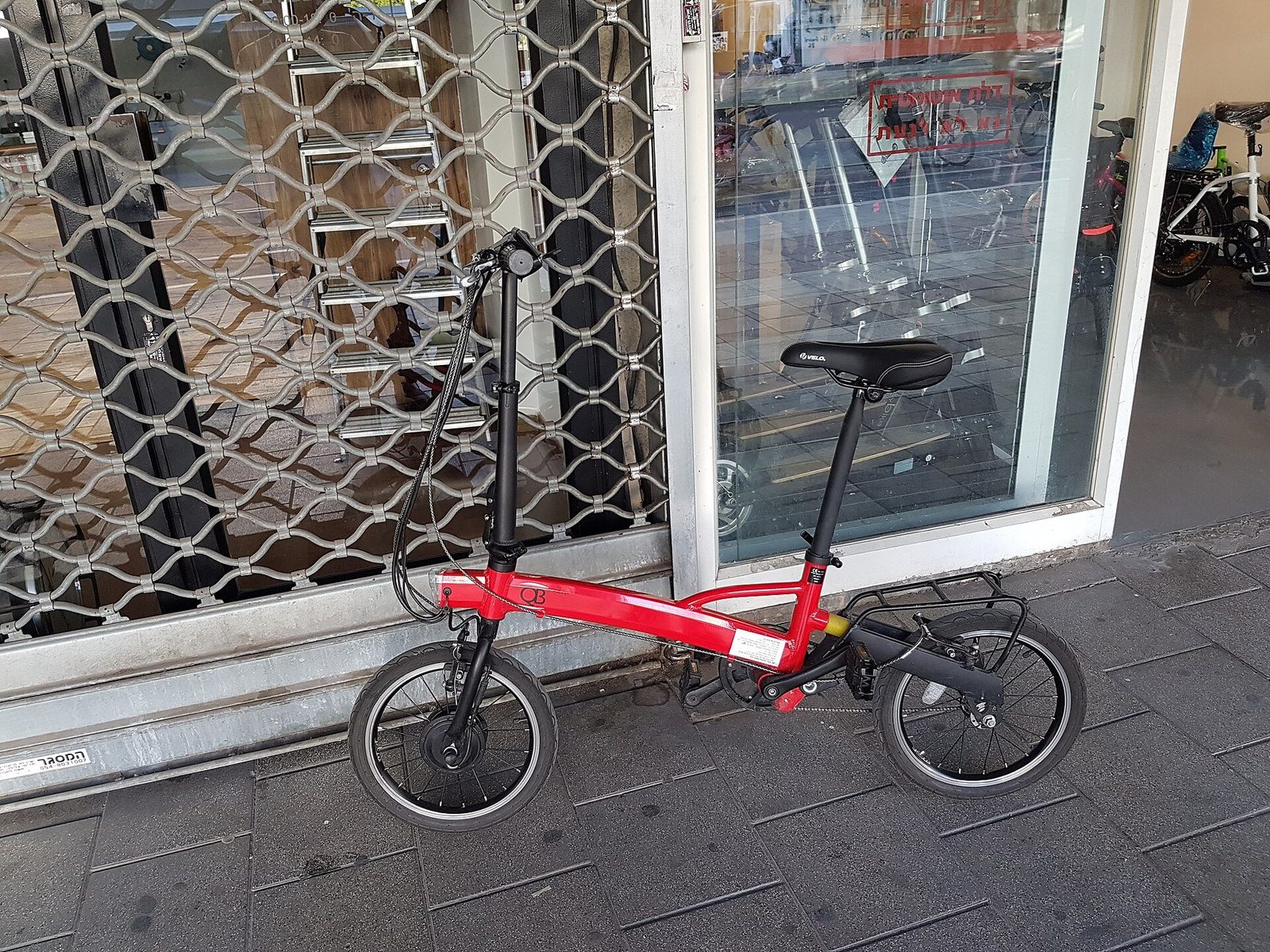
Apartment dwellers face the e-bike paradox: you need the bike most (city living) and have the least space for it. Folders solve storage — but stairs, elevators, and hallway diplomacy are the real tests.
The apartment reality check
- Stairs: 50+ lbs up three flights gets old fast. Under 45 lbs or elevator access recommended.
- Folded footprint: must fit your actual closet/hallway — measure.
- Cleanliness: fenders + a wipe-down routine keep hallways and landlords happy.
- Charging: batteries charge indoors (good — cold garages hurt them); bring just the battery up if the bike lives in a secure garage.
- Noise: be a good neighbor carrying it at 6 AM — padded stair treads help.
E-bike weight: why it matters
Most e-bikes weigh 45–75 lbs — roughly twice a regular bike. Weight affects everything off the saddle: carrying it up apartment stairs, lifting it onto a car rack (check the rack's weight rating!), maneuvering in tight storage, and pedaling if the battery dies.
Lighter e-bikes exist (35–45 lbs) but cost more — weight savings come from smaller batteries, carbon parts, and premium motors. Be honest about your reality: if you live on the third floor with no elevator, prioritize weight over a giant battery. If the bike lives in a garage, weight barely matters.
Shop apartment-friendly folders
Compact, lighter folding e-bikes for small spaces.
Check Current Price →Frequently asked questions
Can I store an e-bike battery in my apartment?
Yes — room-temperature indoor storage is ideal for batteries. Keep it away from heat sources and charge on a hard surface.
Will my landlord allow it?
Most do for in-unit storage; check your lease for 'vehicle' clauses. A clean folder in a closet rarely causes issues.