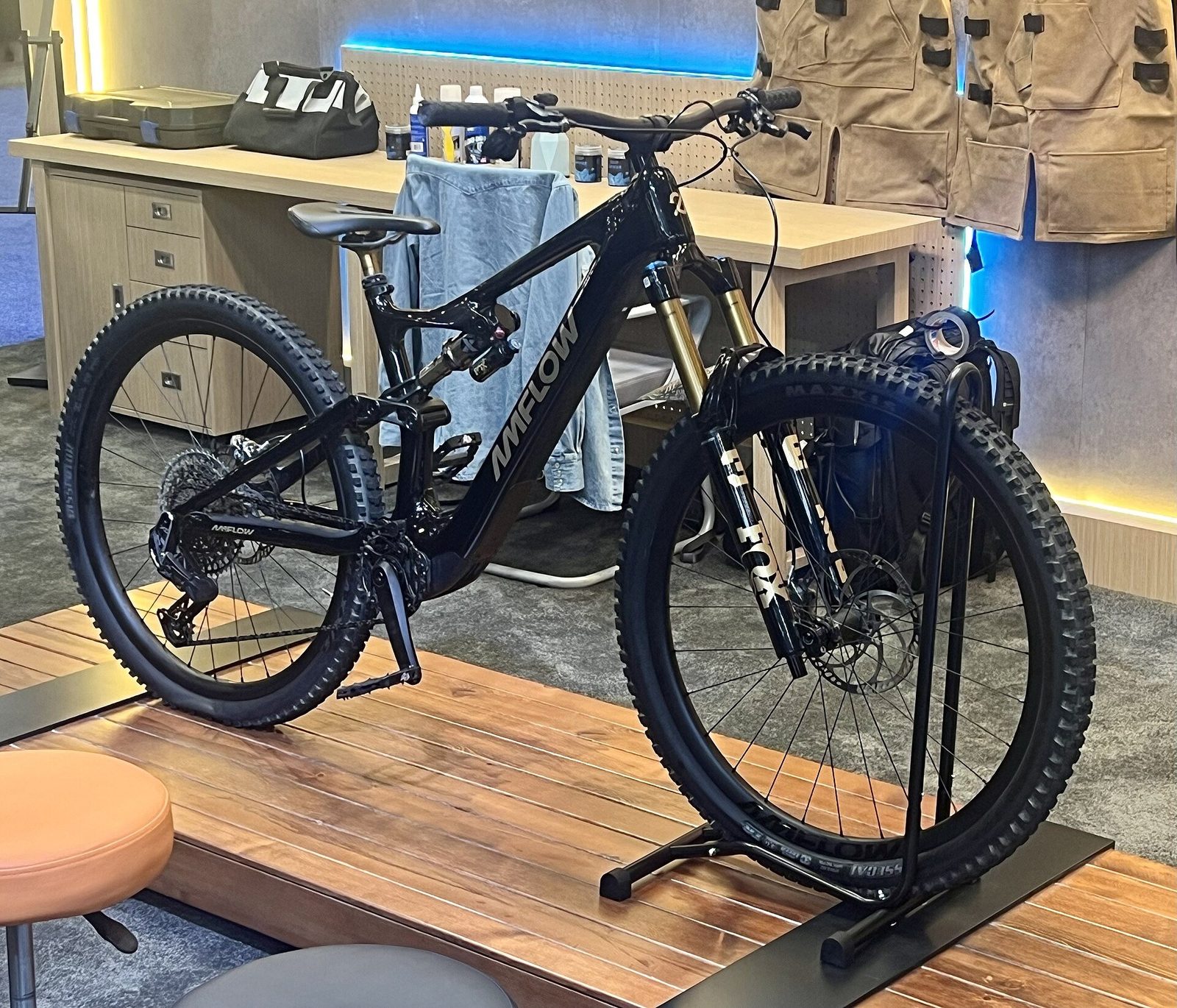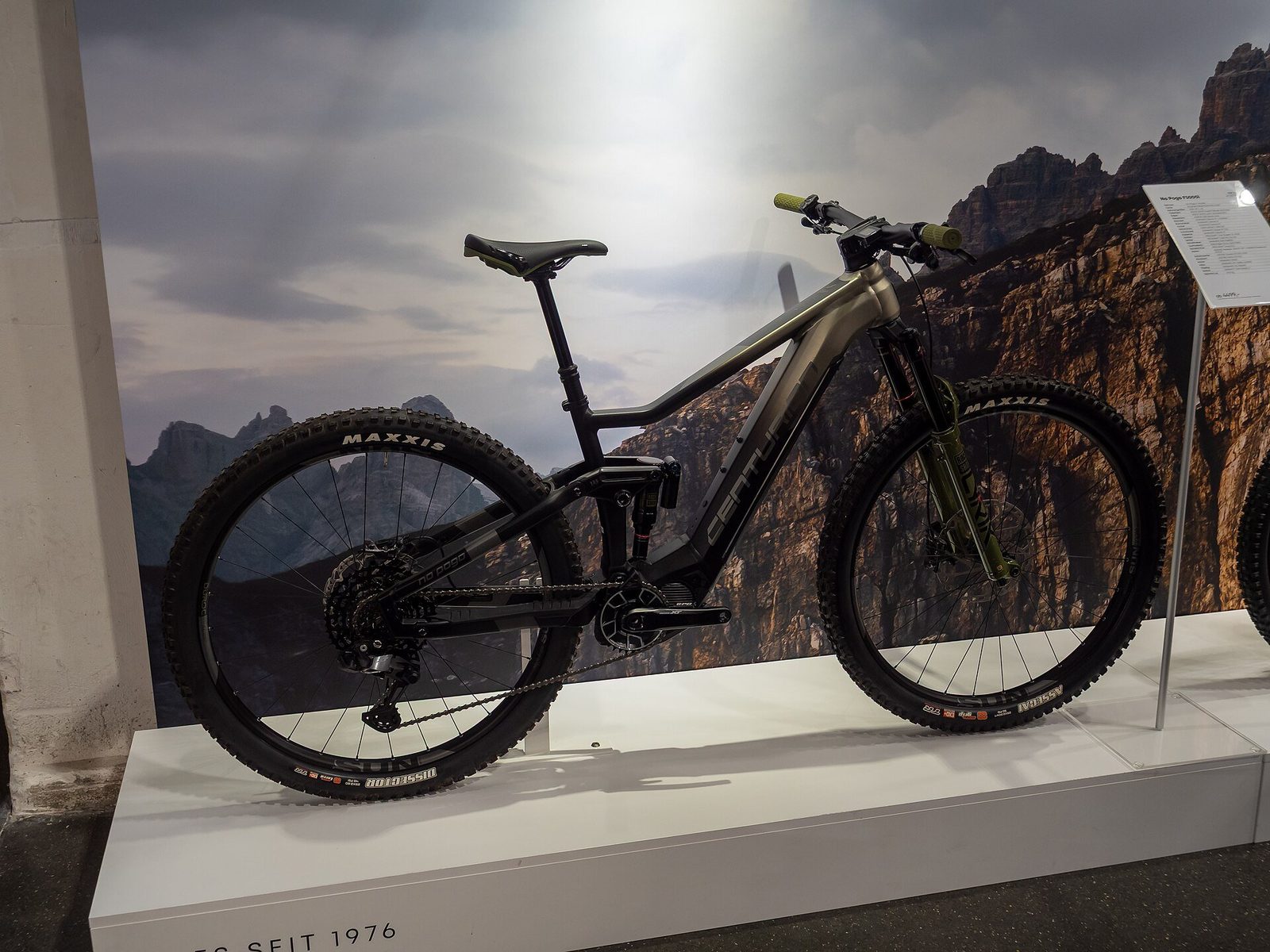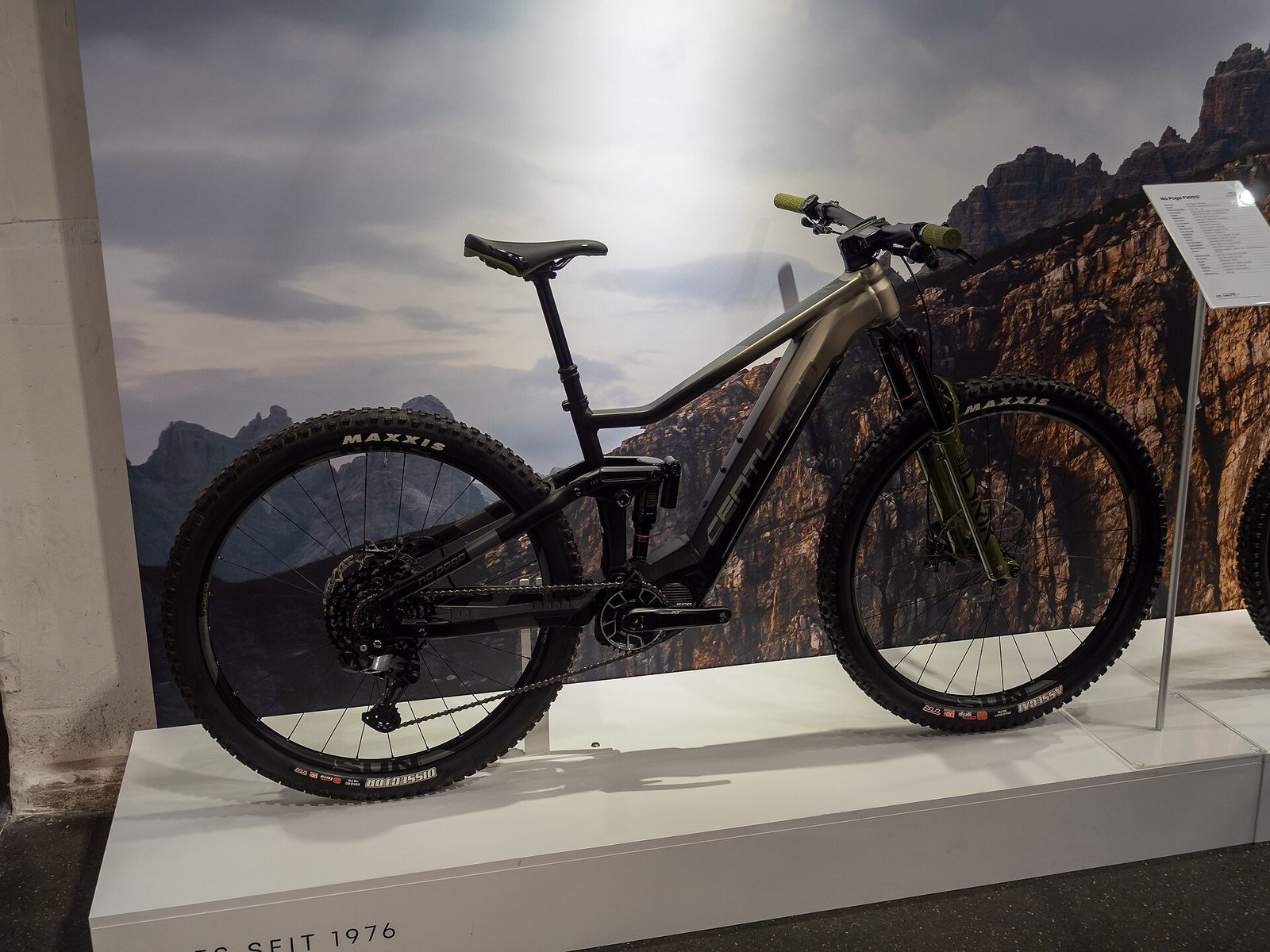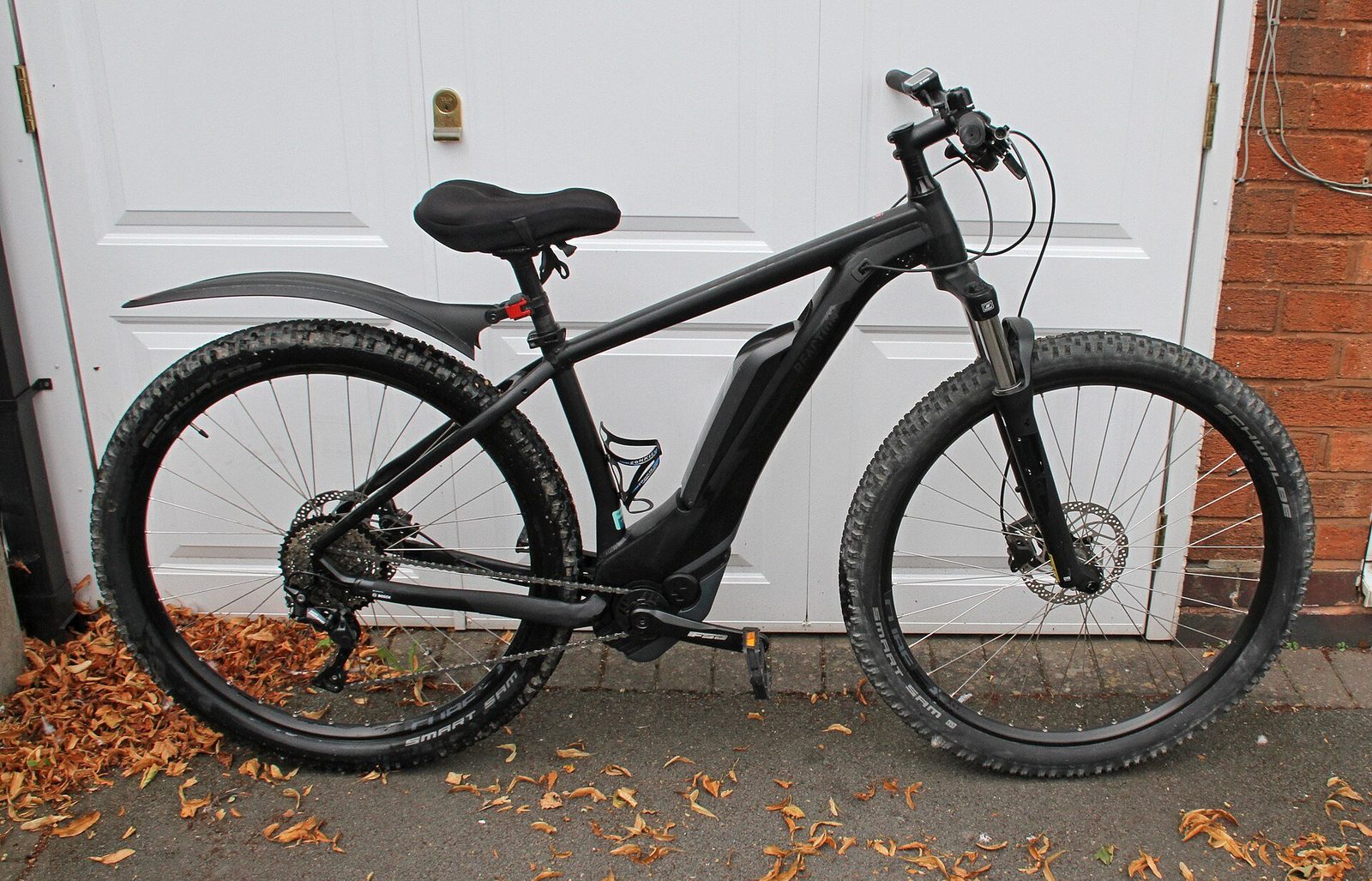
E-MTBs are the friendliest way into mountain biking — the motor forgives fitness gaps while you learn skills. But beginners also make the most expensive mistakes. Here's the smart path in.
The beginner formula
- Hardtail, $1,500–$2,500: learn fundamentals on a forgiving, affordable platform
- Class 1: maximum trail access, natural learning curve
- Proper fit over fancy spec: a well-fitting basic bike beats a cramped superbike
- Budget for gear: helmet, gloves, knee pads, flat kit, hydration
Skills before upgrades
New e-MTB riders should learn body position, braking, and cornering before spending on upgrades. The motor tempts you to ride terrain your skills aren't ready for — progress gradually, and consider a skills clinic (often $100–200, worth every penny).
Are e-MTBs allowed on trails?
It depends entirely on the land manager — there is no single national rule. General patterns in the US:
- Class 1 e-MTBs are increasingly allowed wherever traditional mountain bikes go, including many Forest Service and BLM trails. This is the trail-friendly class.
- Class 2 (throttle) and Class 3 face far more restrictions on natural-surface trails.
- Wilderness areas, many state parks, and some municipal systems still ban all e-bikes.
Always check before you ride: Trailforks and local MTB club pages usually note e-bike policy. And ride like an ambassador — yield generously, keep speeds sane around hikers and horses, and stay on trail. Access expands where riders behave well and shrinks where they don't.
Frequently asked questions
Is an e-MTB cheating?
No — it's a different sport. Studies show e-MTB riders get comparable exercise (you ride longer and more often) with more smiles per mile.
Should beginners get full suspension?
It's nice but not necessary. Learn on a hardtail, and you'll appreciate suspension more when you upgrade — with skills to match.