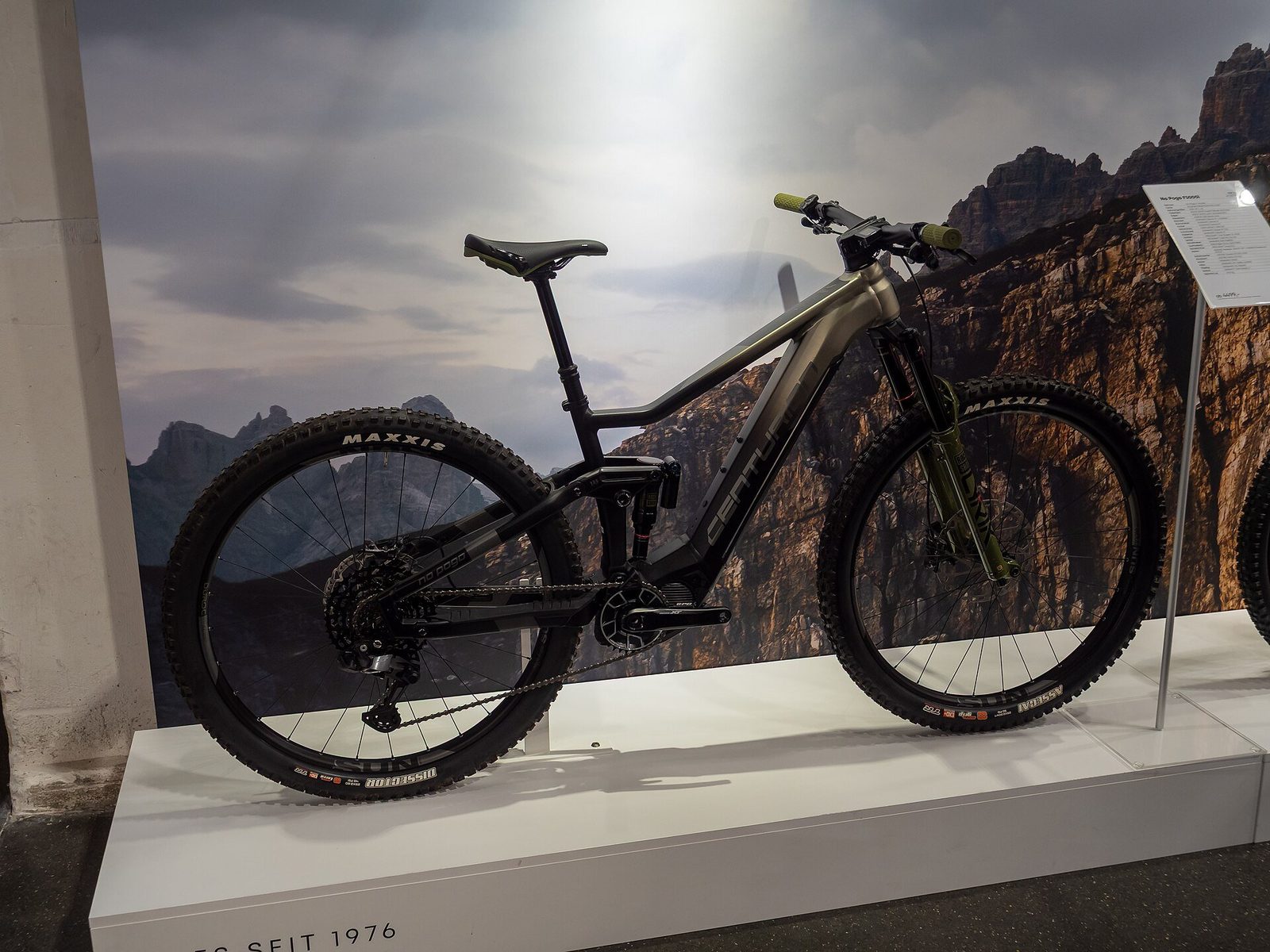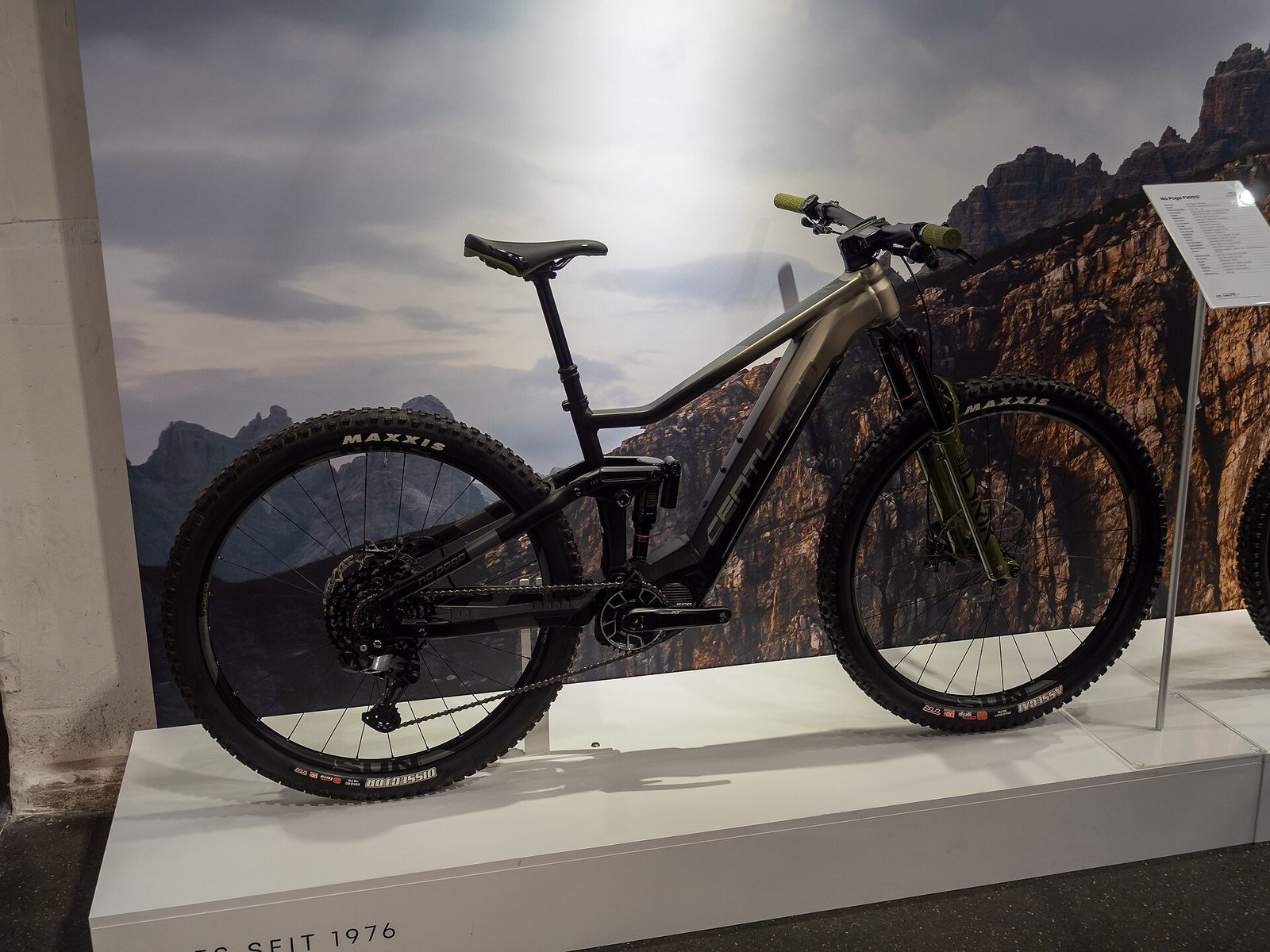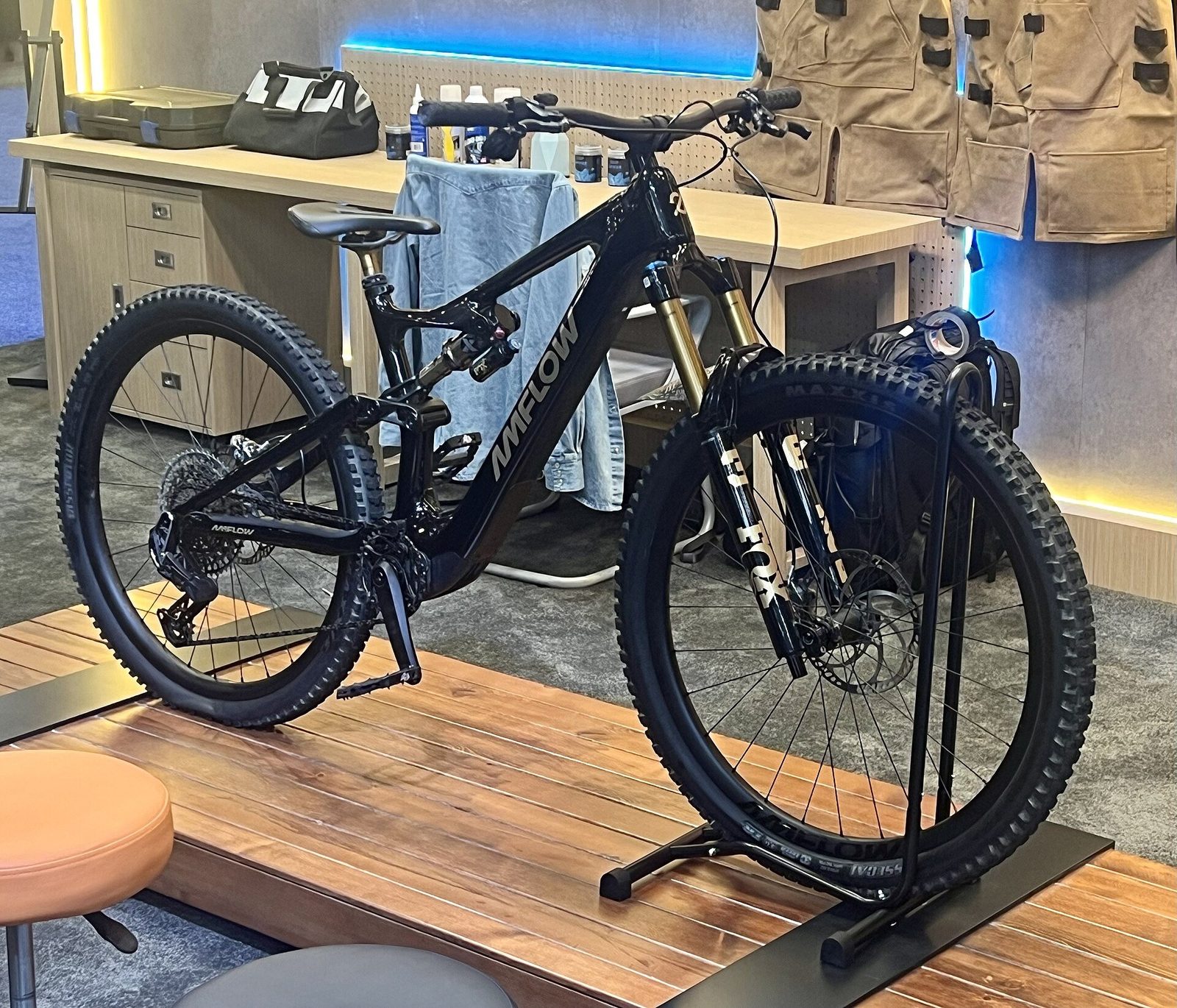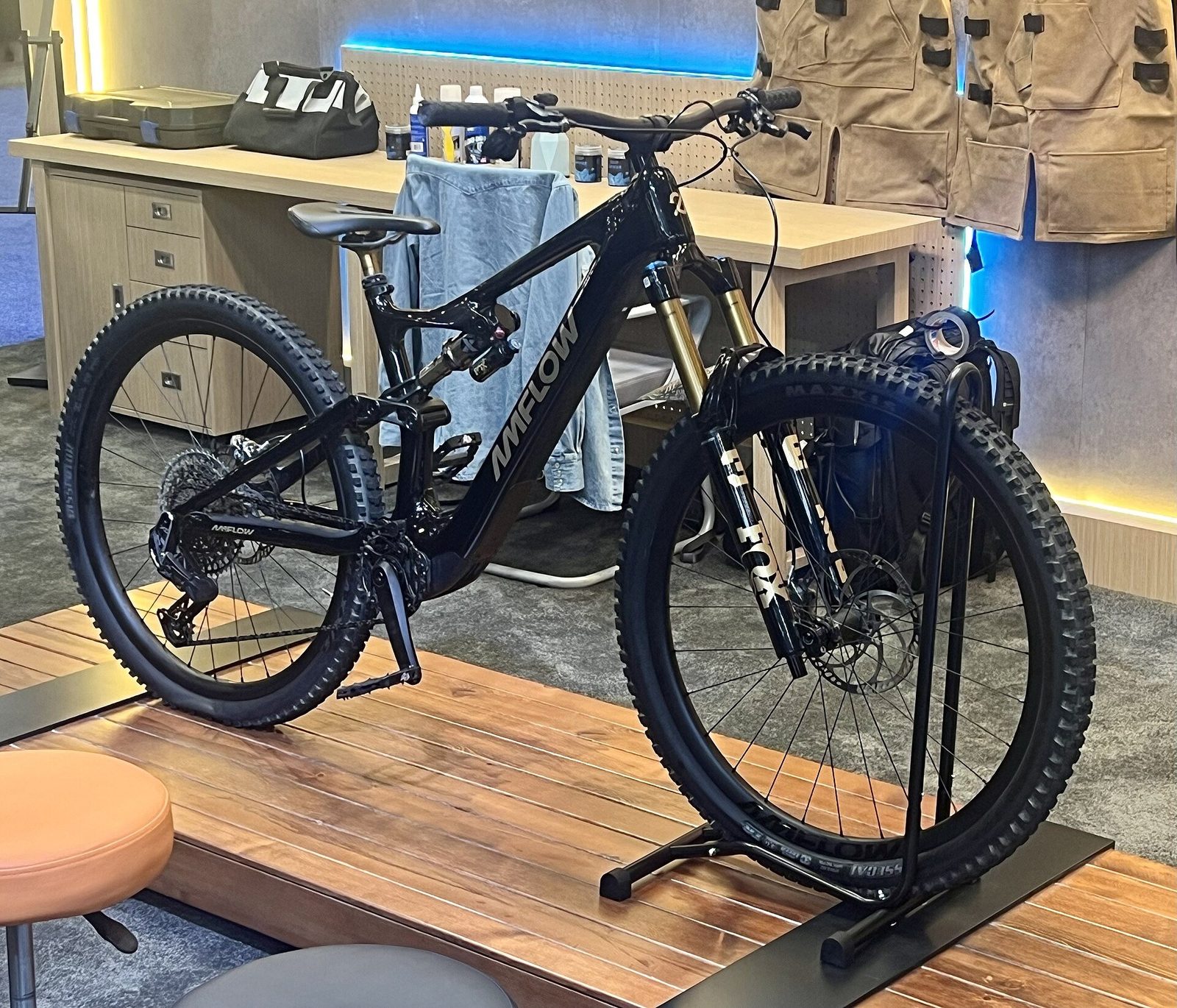
Electric mountain bikes erase the worst part of riding — the fire-road grind — and keep the best part. But e-MTBs are the most technically demanding e-bike purchase: motor systems, suspension, and trail legality all matter. These six are the standouts, compared spec by spec.
- Mid-drive motors rule e-MTB: better balance, better climbing, natural feel.
- Match suspension to your trails — hardtail for smooth, full-suspension for rough.
- Class 1 is the trail-friendly choice; check local access before buying.
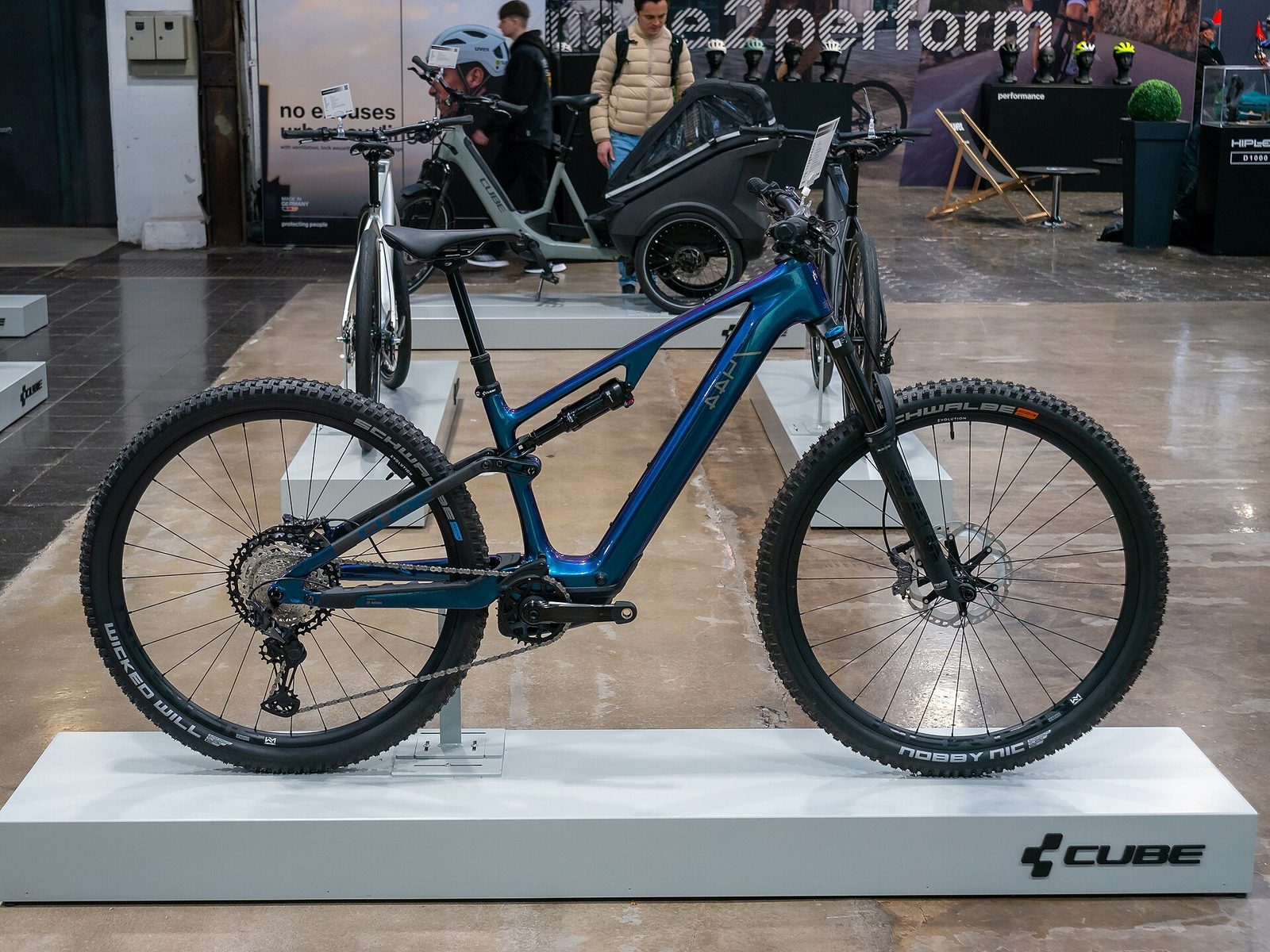
Specialized Turbo Levo 4 Comp Alloy
160/150mm travel, MasterMind T3, SWAT storage
$2500+Check Current Price →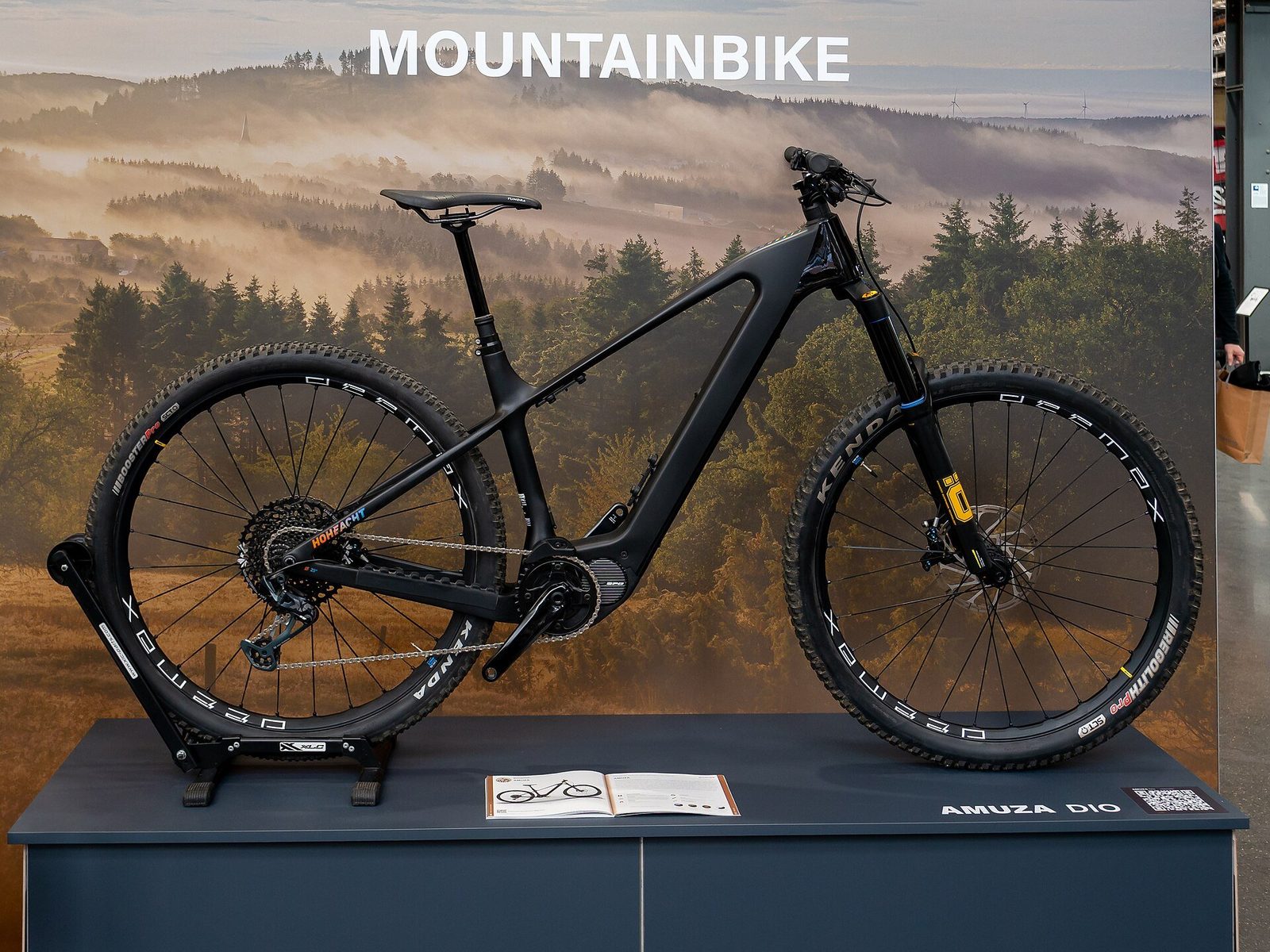
Trek Rail+ 9.7 Gen 5
160/160mm travel, OCLV carbon, mullet, Mino Link
$2500+Check Current Price →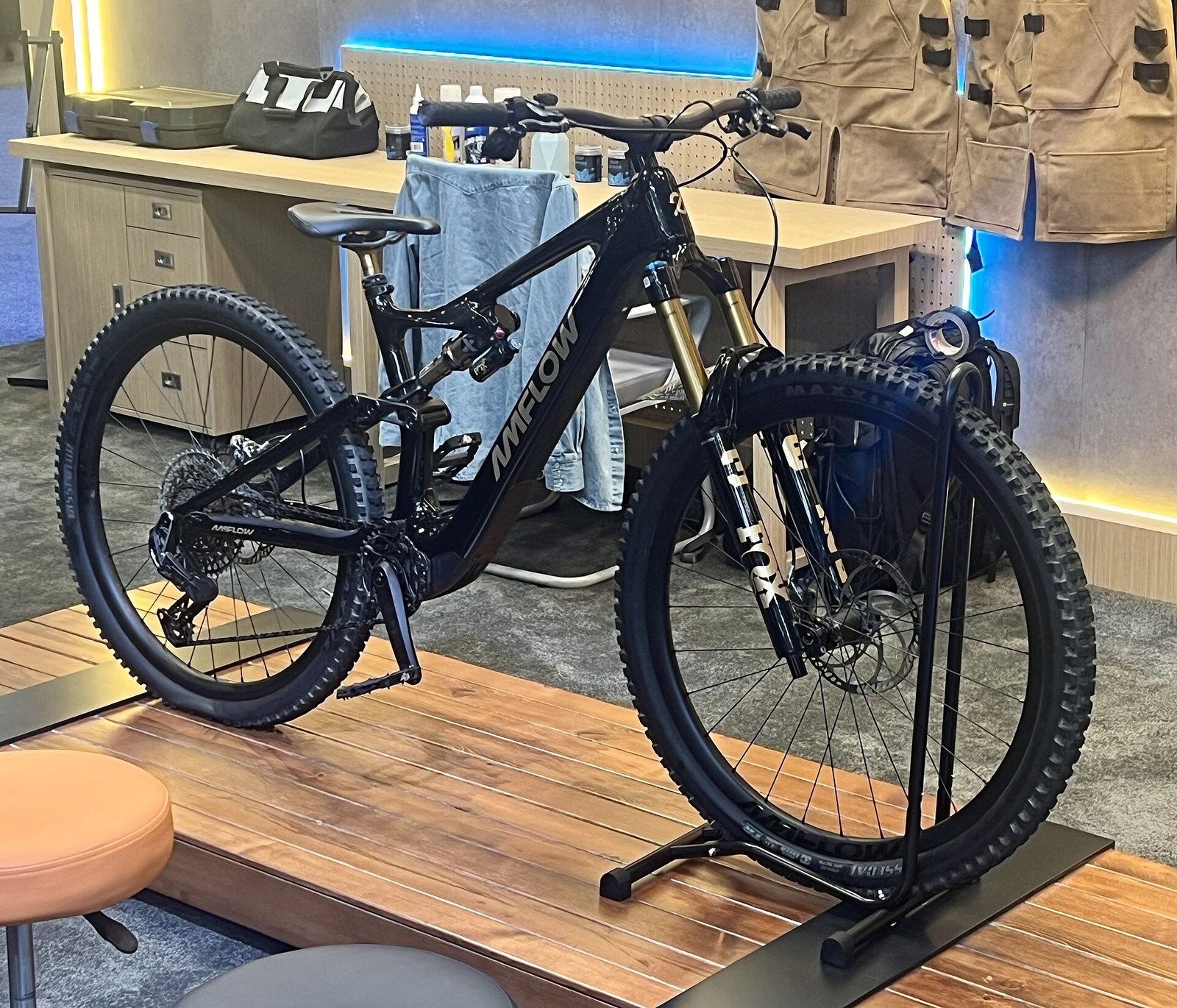
Giant Trance X E+ 2
150/140mm travel, Maestro, flip chip
$2500+Check Current Price →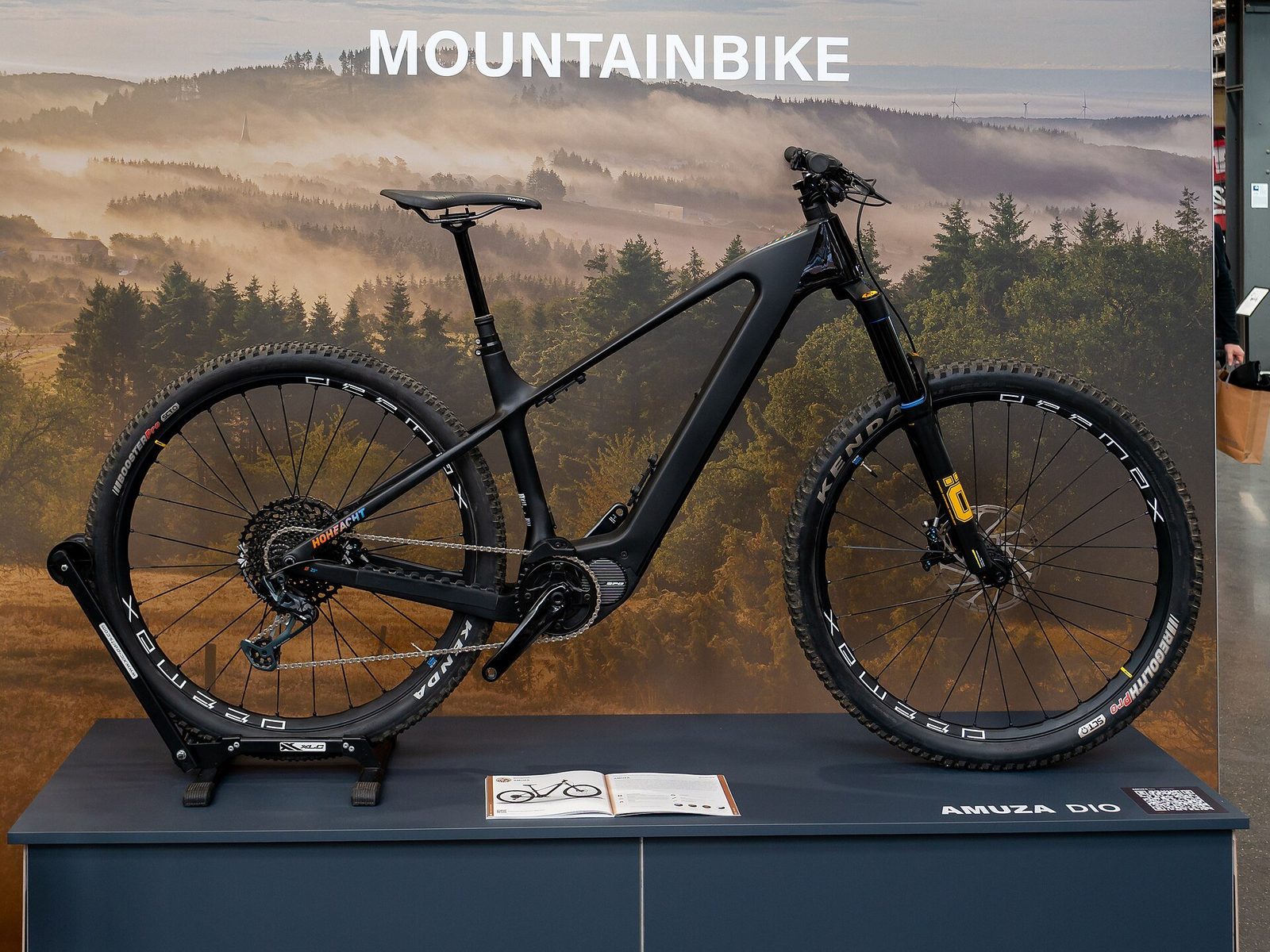
Canyon Spectral:ON CF 8
full carbon, 160/155mm, mullet, Shimano EP8
$2500+Check Current Price →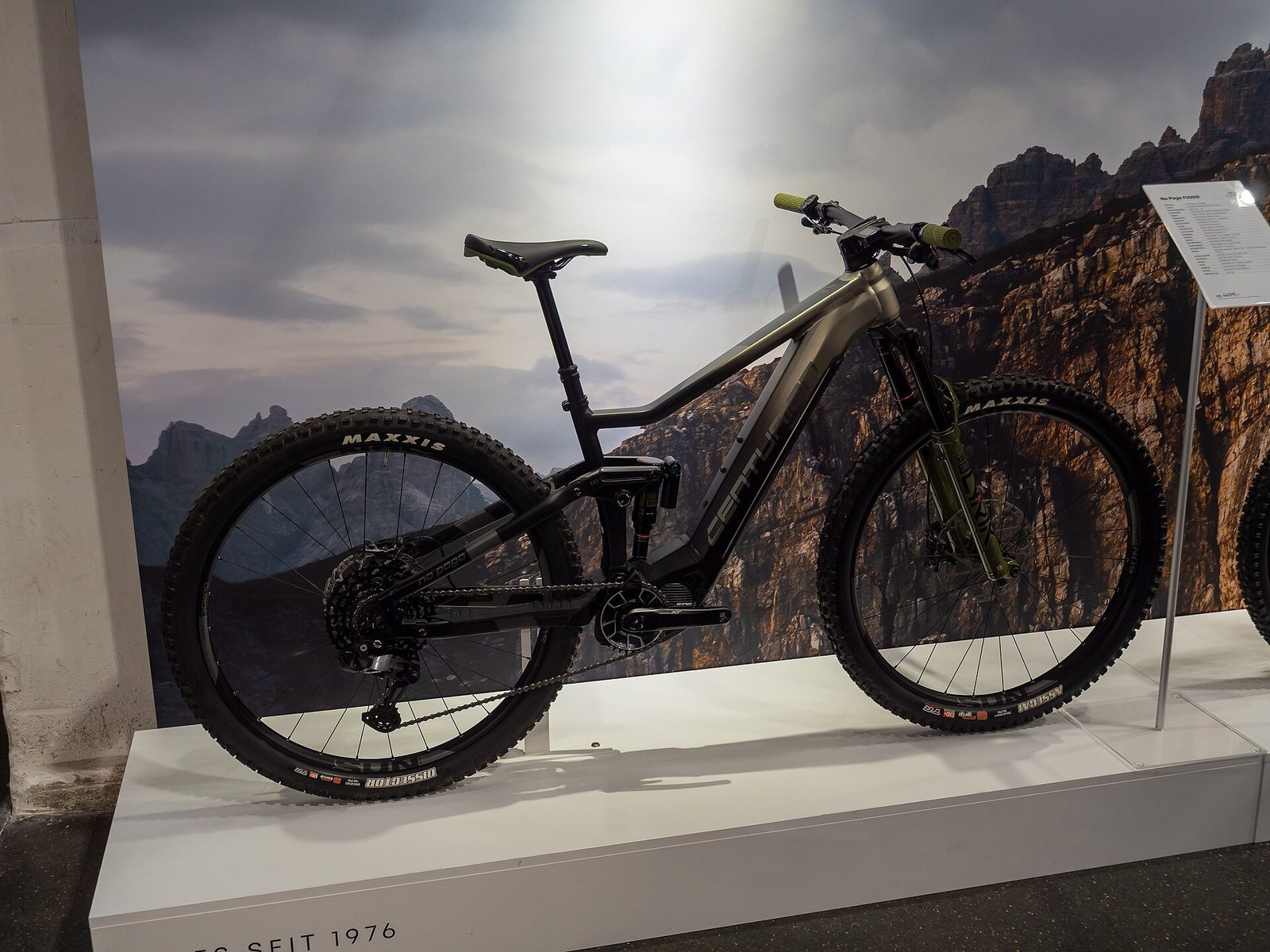
Orbea Wild LT H20
170/160mm travel, mullet option, Avinox M2
$2500+Check Current Price →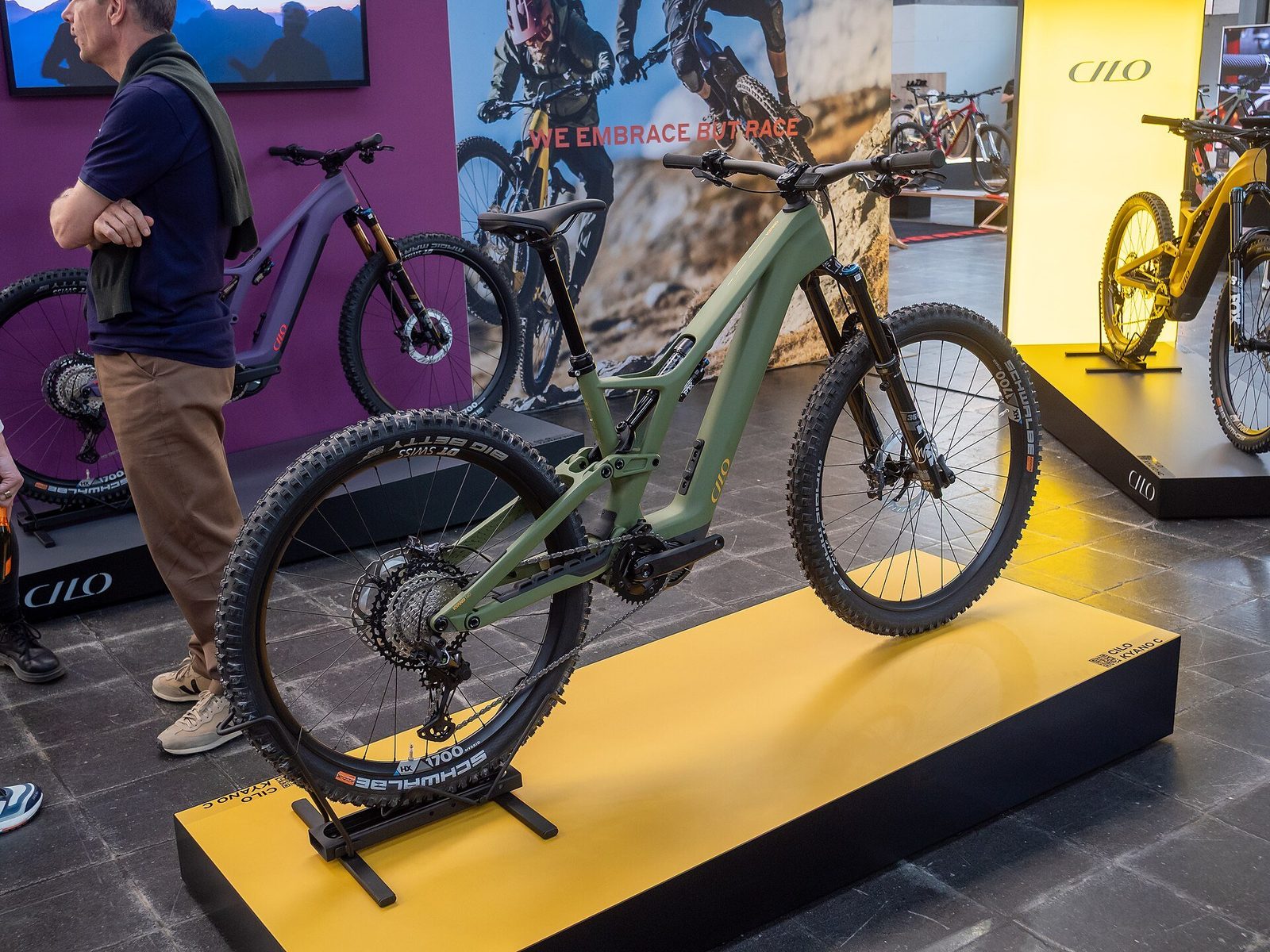
Santa Cruz Heckler SL
carbon, 160/150mm, VPP, mullet, Fazua Ride 60
$2500+Check Current Price →How we chose
We prioritized proven mid-drive systems (Bosch, Shimano, Brose, Yamaha), trail-appropriate geometry and suspension, and brands with dealer support — because e-MTBs need service. Every pick is a real, currently-sold model.
Hardtail vs full-suspension e-MTBs
Hardtails (front suspension only) are lighter, cheaper, more efficient on smooth climbs, and simpler to maintain. For mellow singletrack, gravel, and fire roads, a hardtail e-MTB is plenty — and you'll get more battery and motor for your money.
Full-suspension adds a rear shock: more traction, more comfort, more control on rough descents and technical terrain. It costs $800–1,500+ more at equivalent spec, adds weight, and needs shock maintenance — but if your trails are rocky, rooty, or steep, it's transformative.
The call: smooth to moderate trails → hardtail and pocket the savings. Rough, technical, or lift-served riding → full suspension. When in doubt, rent both for a day on your local trails before buying.
E-MTB motor systems: Bosch, Shimano, Brose, Yamaha
Premium e-MTBs run one of four main mid-drive systems, and honestly, they're all good — the differences are in character and support:
- Bosch (Performance Line CX): the benchmark. Huge dealer network, refined power delivery, excellent app. The safe choice.
- Shimano EP8/EP801: lighter and more natural-feeling, great integration with Shimano drivetrains. Slightly smaller service network in the US.
- Brose: famously quiet with a belt-driven internal design. Lovely ride feel; fewer dealers.
- Yamaha: punchy and reliable, strong value on bikes like Giant's e-MTBs.
Because these systems are dealer-serviced, buy the support network, not just the motor. The best motor in the world is a paperweight if nobody near you can update its firmware.
E-MTB buyer's checklist
- Mid-drive motor, 60Nm+ (85Nm for steep/technical)
- Hydraulic disc brakes, 180mm+ rotors
- Dropper post (non-negotiable on real trails)
- 625Wh+ battery for 2–3 hour rides
- Tubeless-ready wheels
Frequently asked questions
Are e-MTBs allowed on trails?
Sometimes — it depends on the land manager. Class 1 e-MTBs are increasingly allowed where regular mountain bikes go. Always check Trailforks or the managing agency before riding.
Hardtail or full suspension for a first e-MTB?
Hardtail if your trails are smooth to moderate — you'll get more bike for the money. Full suspension if they're rocky, rooty, or steep.
How much should I spend on an e-MTB?
$2,500–$4,500 hits the sweet spot: quality mid-drive, real suspension, and reliable components. Under $2,000 works for mellow trails with hub-drive compromises.