Premium e-bikes run name-brand mid-drive systems; budget bikes run generic hub motors. Understanding the players helps you buy the support network, not just the spec sheet.
E-MTB motor systems: Bosch, Shimano, Brose, Yamaha
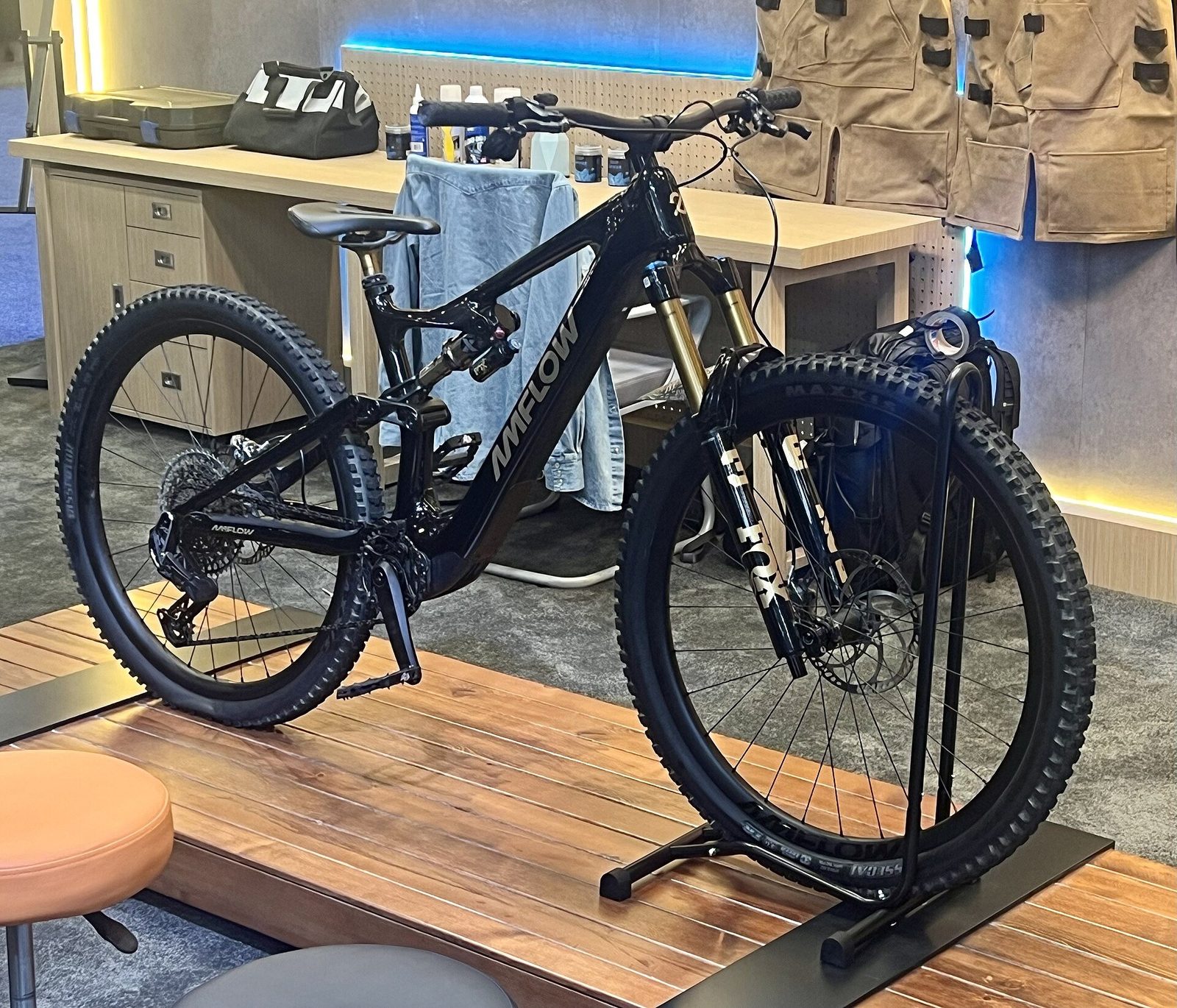
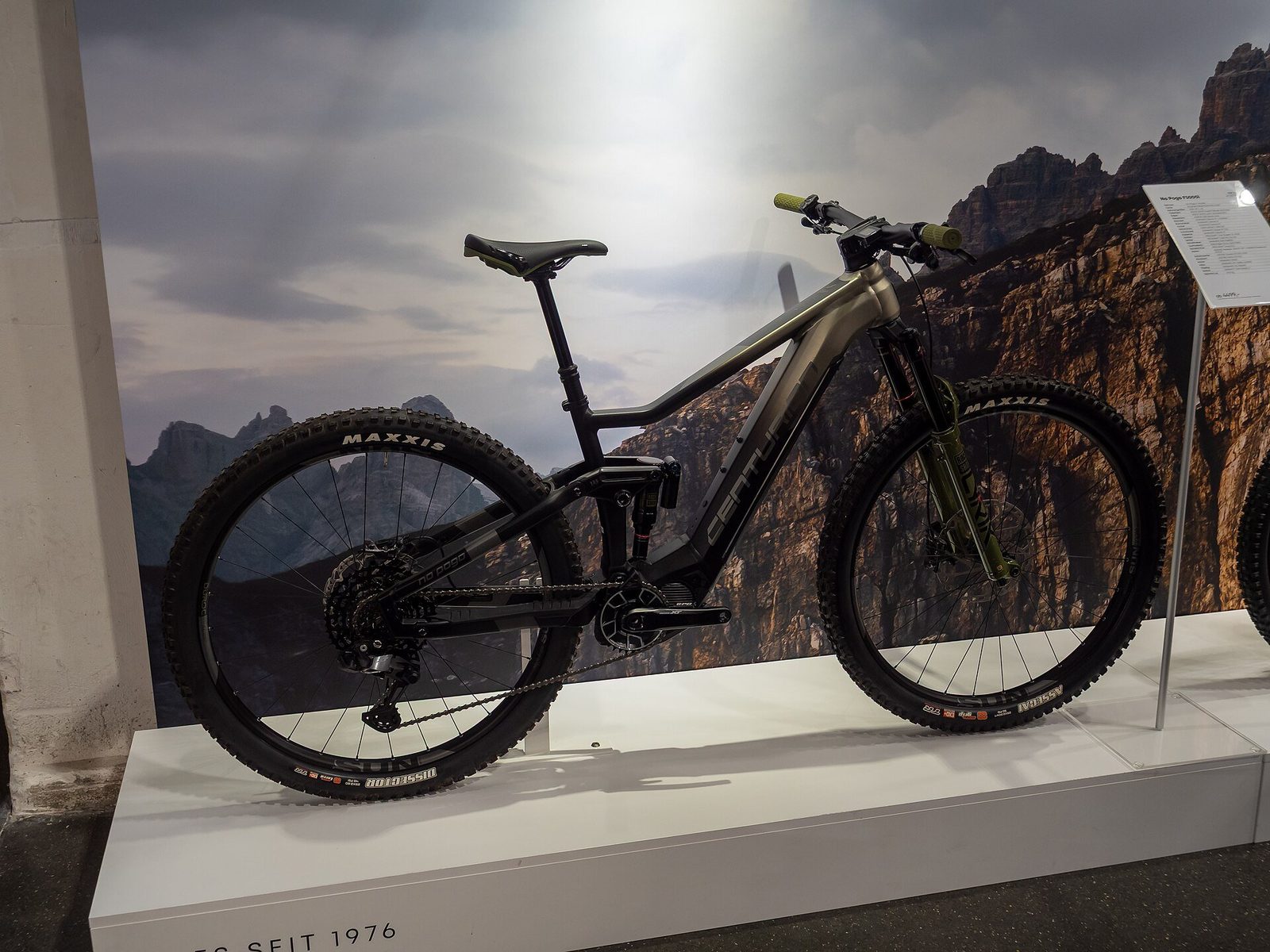
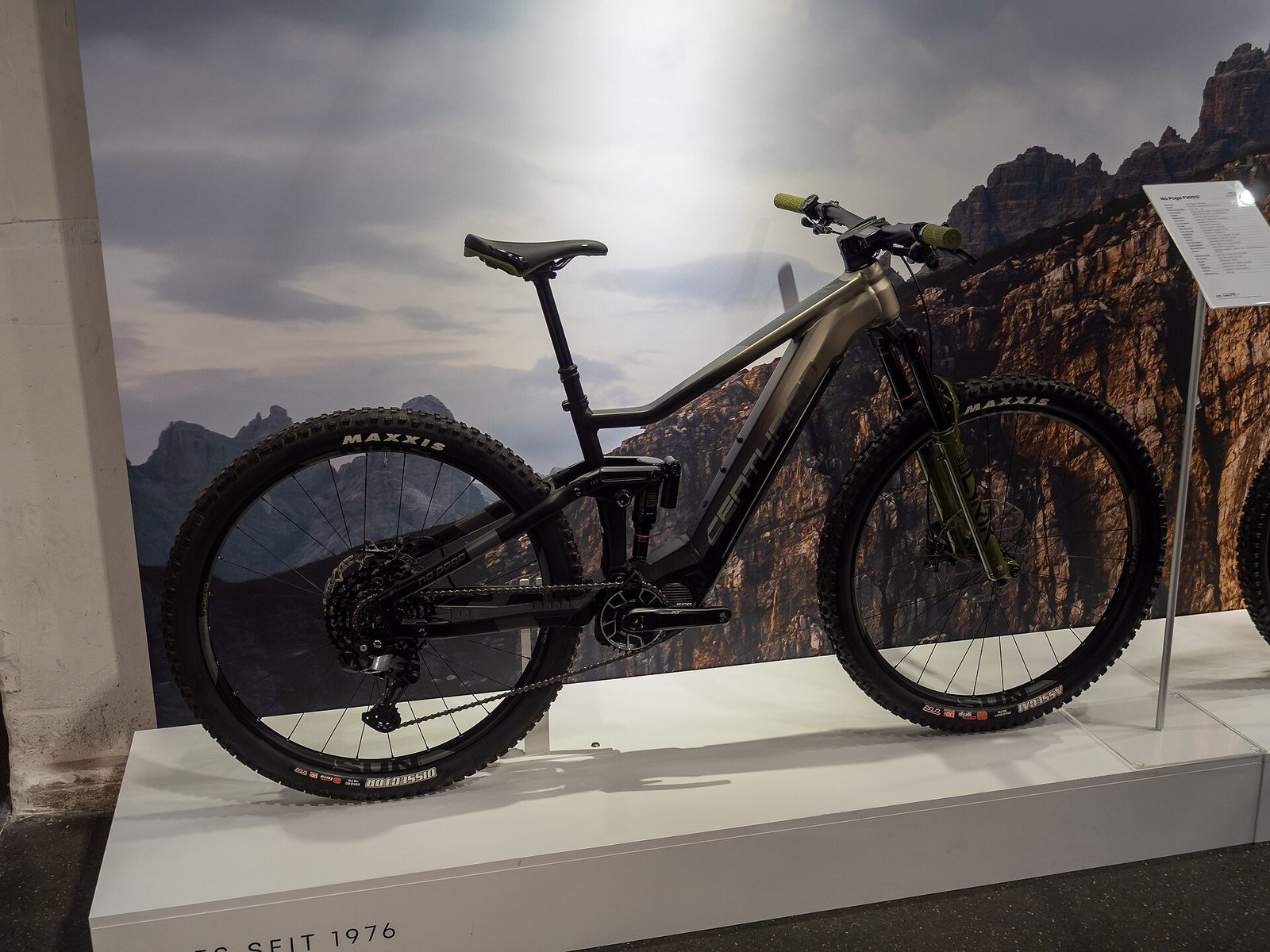
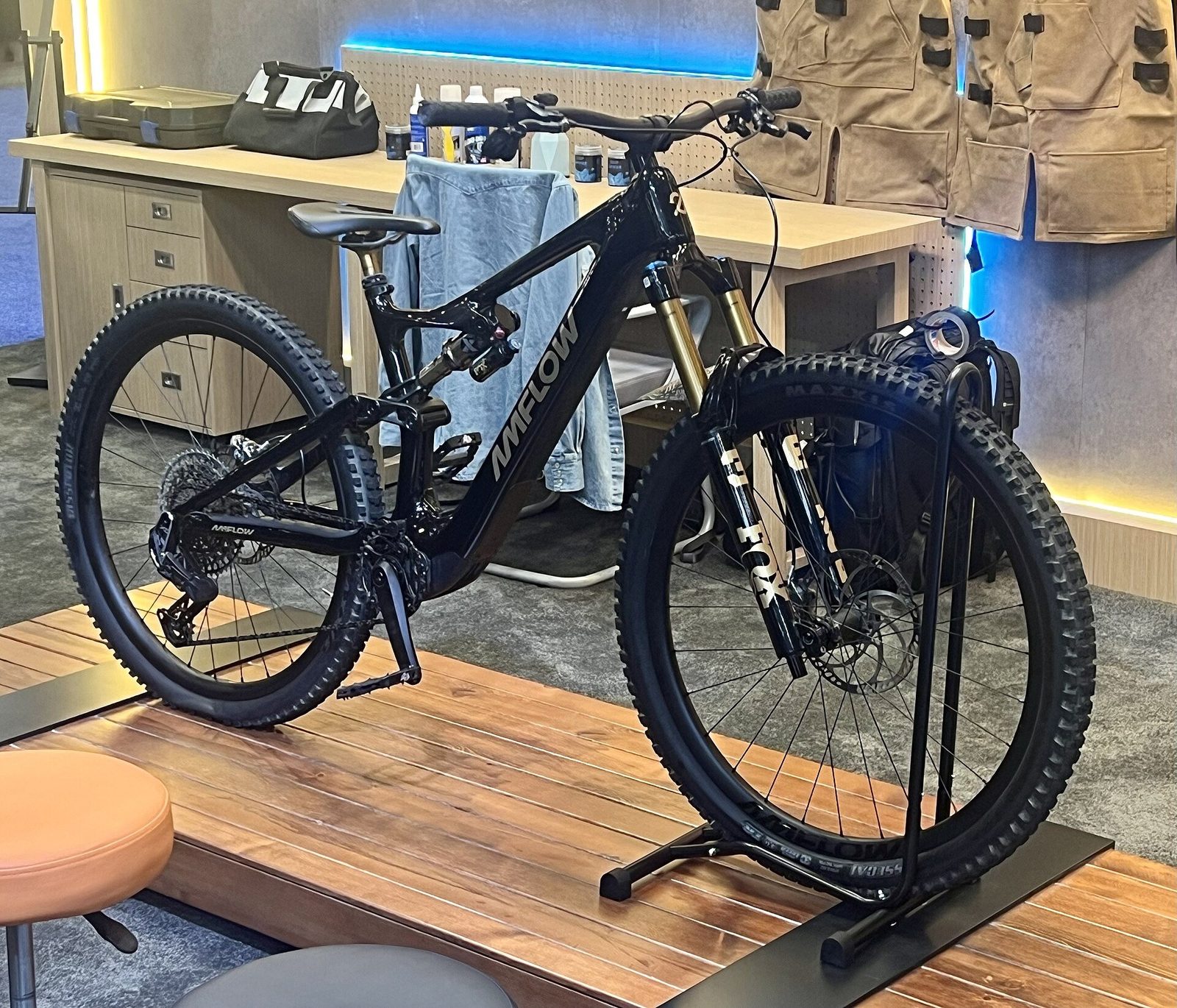
Premium e-MTBs run one of four main mid-drive systems, and honestly, they're all good — the differences are in character and support:
- Bosch (Performance Line CX): the benchmark. Huge dealer network, refined power delivery, excellent app. The safe choice.
- Shimano EP8/EP801: lighter and more natural-feeling, great integration with Shimano drivetrains. Slightly smaller service network in the US.
- Brose: famously quiet with a belt-driven internal design. Lovely ride feel; fewer dealers.
- Yamaha: punchy and reliable, strong value on bikes like Giant's e-MTBs.
Because these systems are dealer-serviced, buy the support network, not just the motor. The best motor in the world is a paperweight if nobody near you can update its firmware.
Hub-drive vs mid-drive motors
The single biggest technical choice on an e-bike is where the motor lives. Hub-drive motors sit in the center of the front or (more commonly) rear wheel. They're simpler, cheaper, and quieter, and they work fine without much input from you — great for flat commuting and casual riding. The downside: the weight sits in the wheel, which hurts handling, and on steep hills a hub motor can't downshift, so it works harder and less efficiently.
Mid-drive motors sit at the crank, driving the chain. They use the bike's gears, so they climb far more efficiently, balance weight low and centered, and generally feel more like a natural bicycle. The trade-offs are cost (typically $500+ more for equivalent spec) and faster chain and cassette wear, since all that torque runs through the drivetrain.
Rule of thumb: flat city commuting and tight budgets → hub-drive is fine. Hilly routes, trails, or heavy cargo → mid-drive is worth the premium.
What motor watts tell you (and what they don't)
You'll see motors rated 250W, 500W, or 750W. In the US, 750W is the common legal ceiling for e-bikes; in the EU and UK, it's 250W. But wattage alone is a crude measure — torque (measured in Newton-meters, Nm) tells you more about hill-climbing ability. A 250W mid-drive making 85Nm will out-climb a 500W hub motor making 45Nm on a steep grade, because it multiplies torque through the gears.
Also note the difference between nominal and peak watts. A "750W" motor might peak well above 1,000W for short bursts. Marketing leans on peak numbers; nominal is the honest continuous rating. When comparing bikes, line up torque figures and real rider reviews of hill performance rather than wattage alone.
Budget hub motors: the honest take
Generic hub motors (Bafang and unbranded) power most sub-$1,500 e-bikes. They're proven, simple, and cheap to replace — a perfectly rational choice for commuting and casual riding. What you don't get: refinement, torque-sensing integration, or dealer service. Buy the bike from a brand with real customer support and you'll be fine.
Shop by motor type
Compare e-bikes with Bosch, Shimano, and quality hub-drive motors.
Check Current Price →Frequently asked questions
Which motor brand is most reliable?
Bosch has the deepest service network and a strong reliability record; Shimano, Brose, and Yamaha are all well-regarded. For hub motors, reliability depends more on the bike brand's QC than the motor badge.
Can I upgrade my e-bike motor later?
Practically no — motors are frame-integrated. Buy the motor you want upfront.