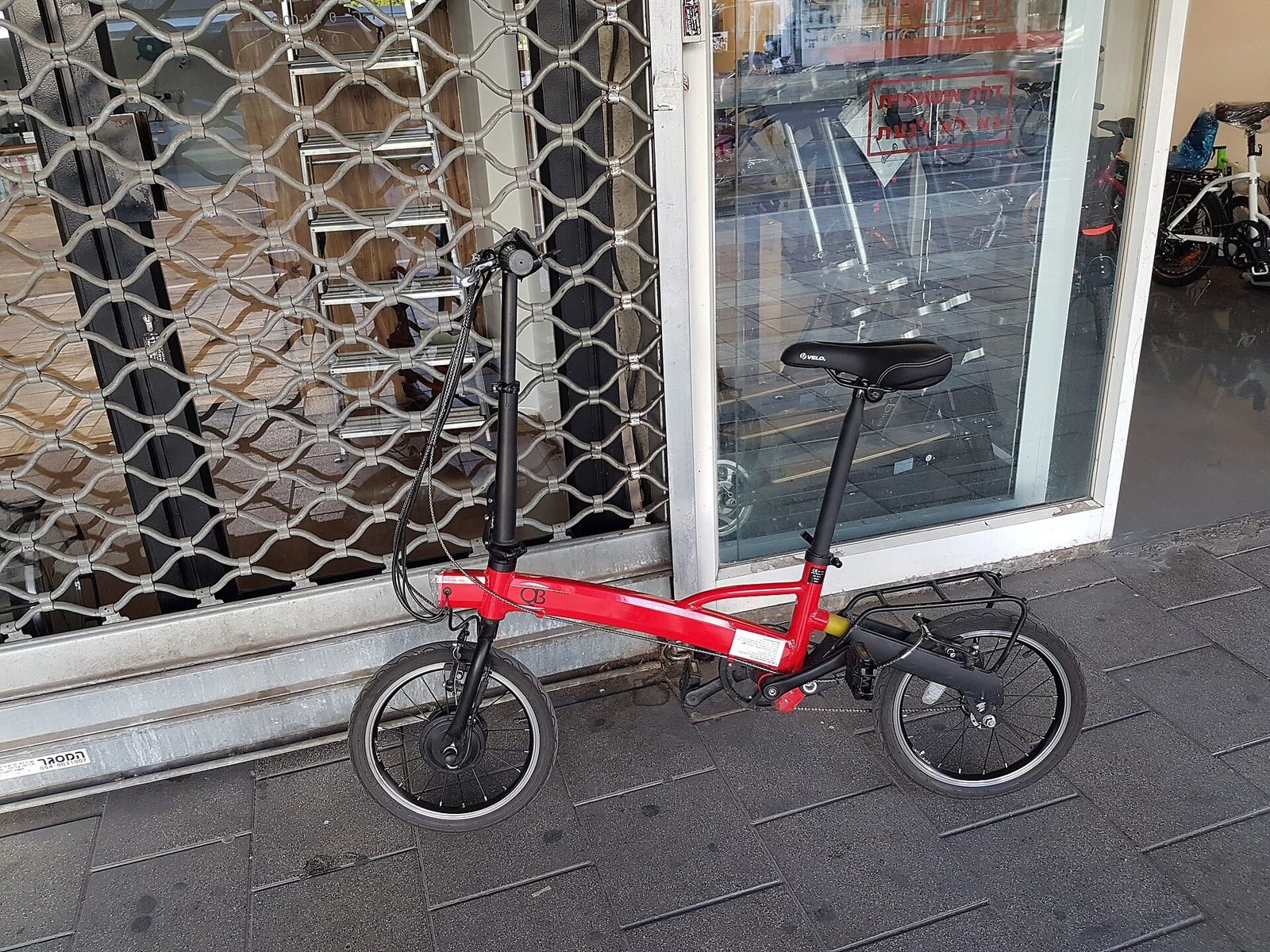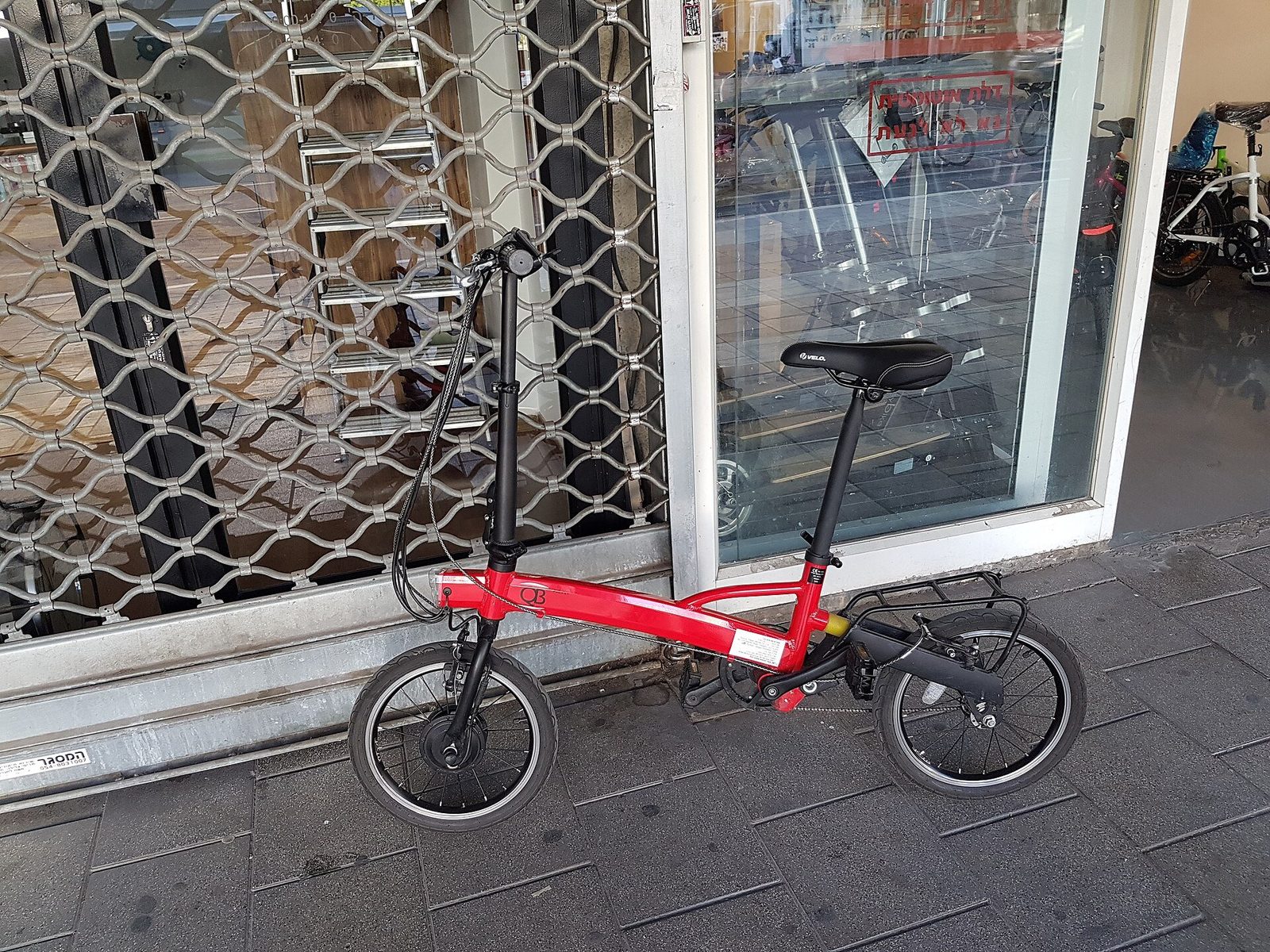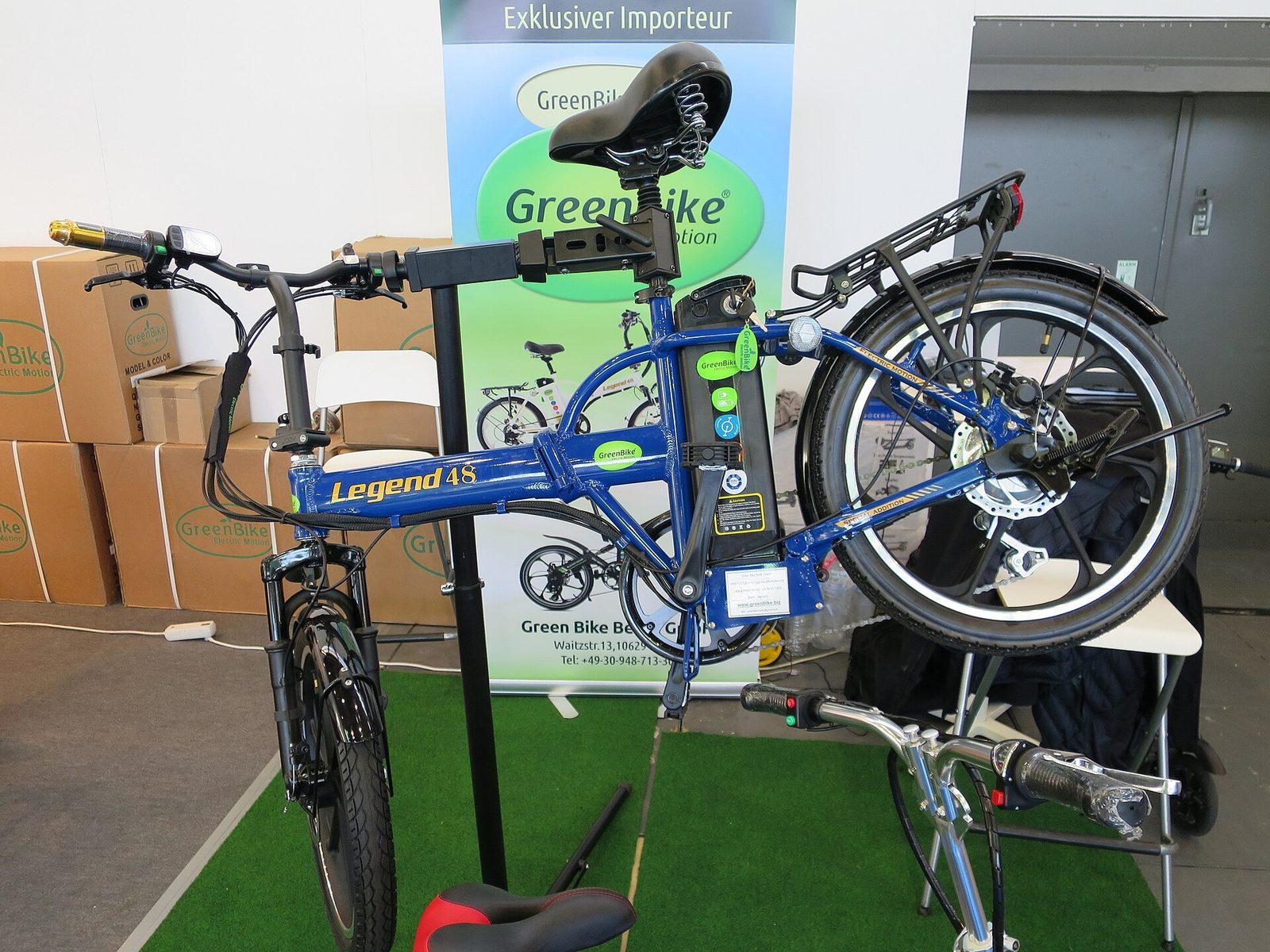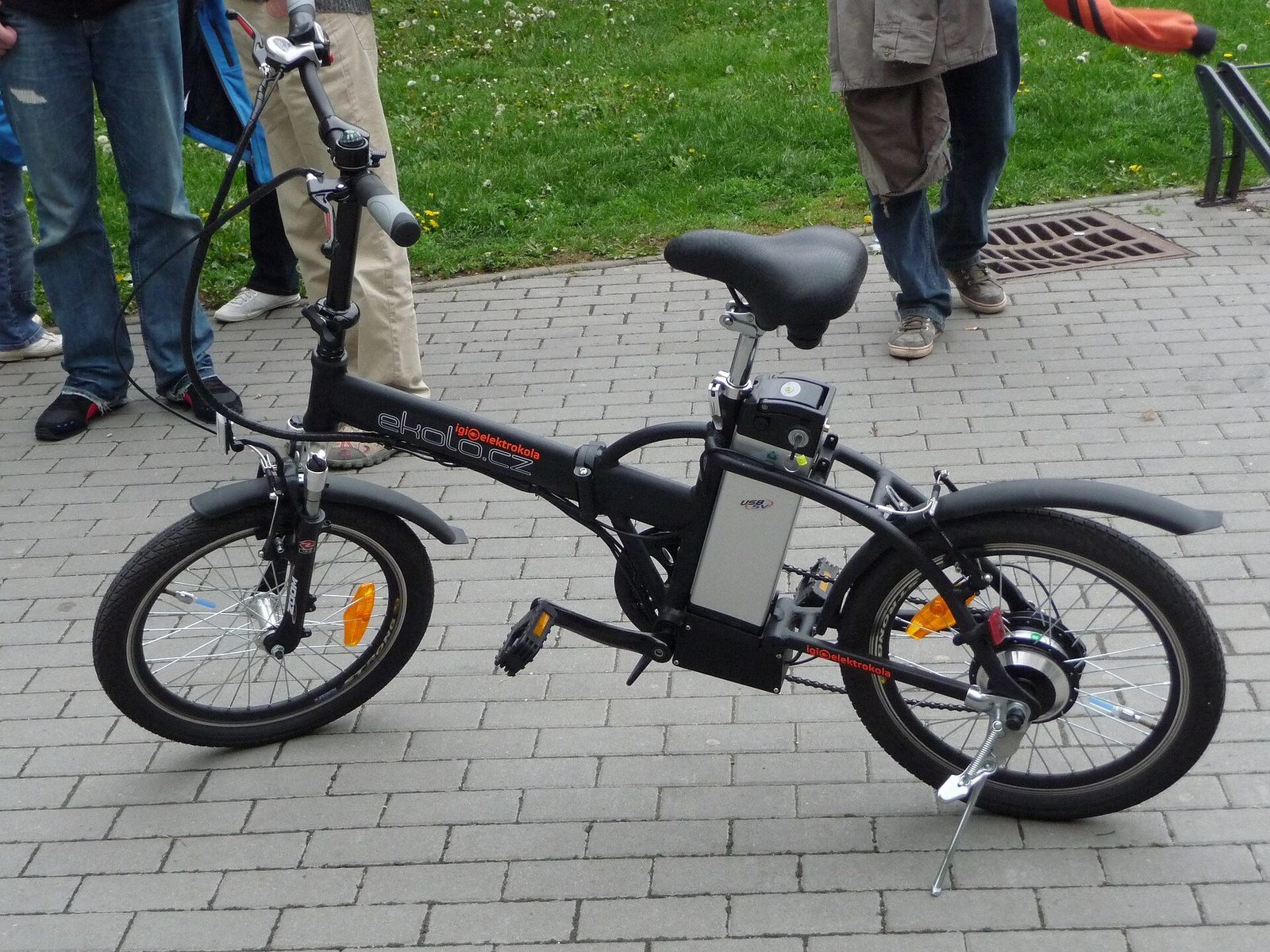
Fat-tire folders are the best-selling e-bike archetype for a reason: 4" tires forgive everything — sand, snow, gravel, curbs — and the fold solves storage. The cost is weight (often 60–70 lbs) and efficiency. Here's when they're the right call.
When fat tires make sense (and when they don't)
Fat tires (4"+ wide) float: on sand, snow, and loose gravel they stay on top where normal tires dig in. They also deliver a magic-carpet ride on rough pavement — natural suspension without moving parts.
The costs are real: more weight, more rolling resistance (expect 10–20% less range than the same bike on standard tires), more noise on pavement, and slower handling. For beach towns, snowy regions, hunting, and off-grid use, they're the right tool. For paved commuting on decent roads, they're overkill — a 2.2–2.6" tire gives 80% of the comfort with far less penalty.
Who they're for
Perfect for: RVers, beach towns, snowy regions, hunters, and anyone whose 'roads' are suggestions. Overkill for: paved city commuting — you're hauling 65 lbs and 20% extra rolling resistance for capability you'll never use. A standard folder or commuter serves pavement better.
Fat-tire pressure: the short guide
Fat tires work by conforming to the surface, and pressure is everything:
- Pavement: 12–15 PSI for efficiency and handling.
- Gravel/hardpack: 8–12 PSI for comfort and grip.
- Sand and snow: 5–8 PSI — this is where fat tires earn their keep.
Too high and you bounce off everything; too low and you risk rim strikes and squirmy handling. Get a low-pressure gauge (standard gauges are inaccurate below 10 PSI) and check often — fat tires lose air faster than you'd expect. When in doubt, start at 10 PSI and adjust by feel.
Frequently asked questions
How heavy are fat-tire folding e-bikes?
Typically 60–70 lbs — among the heaviest e-bikes. Plan storage at ground level and a rated rack for transport.
Are they good on pavement?
Rideable and comfortable, but inefficient and heavy-steering. Fine occasionally; wrong tool for daily pavement.