This is the defining e-MTB decision, and the motor changes the calculus — e-assist flattens the climbing penalty that used to punish full-suspension bikes. Here's how to choose honestly.
Hardtail vs full-suspension e-MTBs
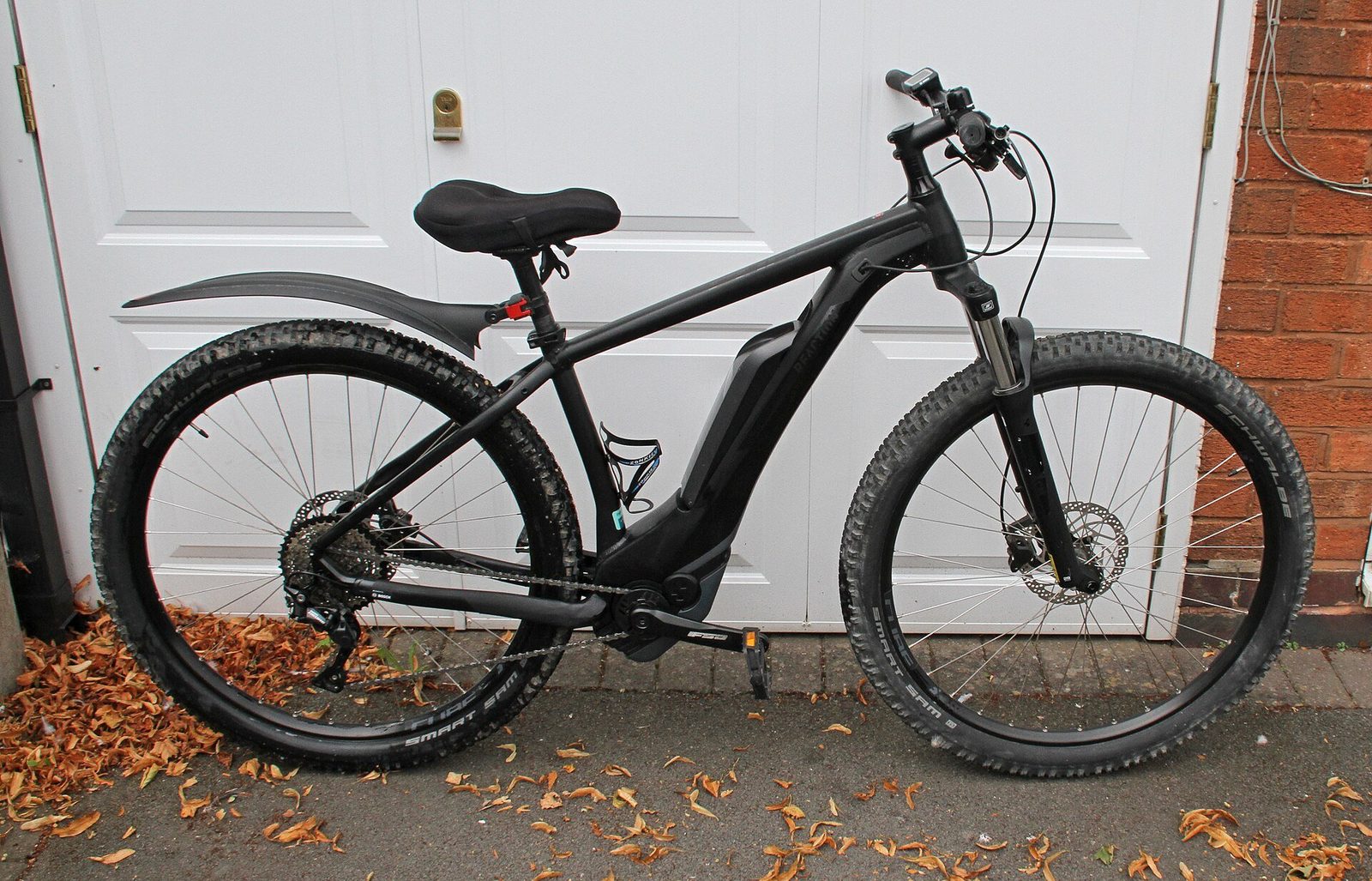
Hardtails (front suspension only) are lighter, cheaper, more efficient on smooth climbs, and simpler to maintain. For mellow singletrack, gravel, and fire roads, a hardtail e-MTB is plenty — and you'll get more battery and motor for your money.
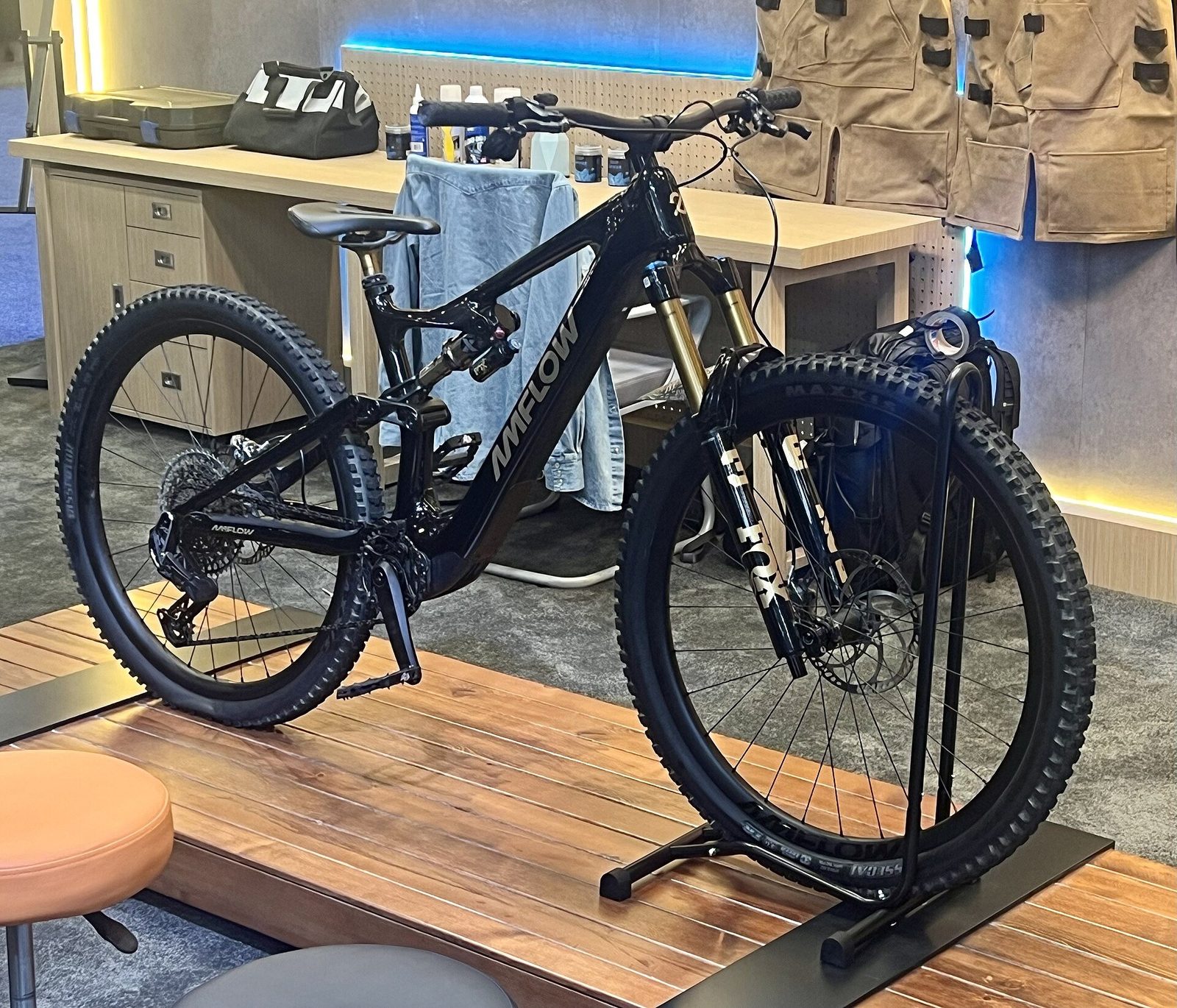
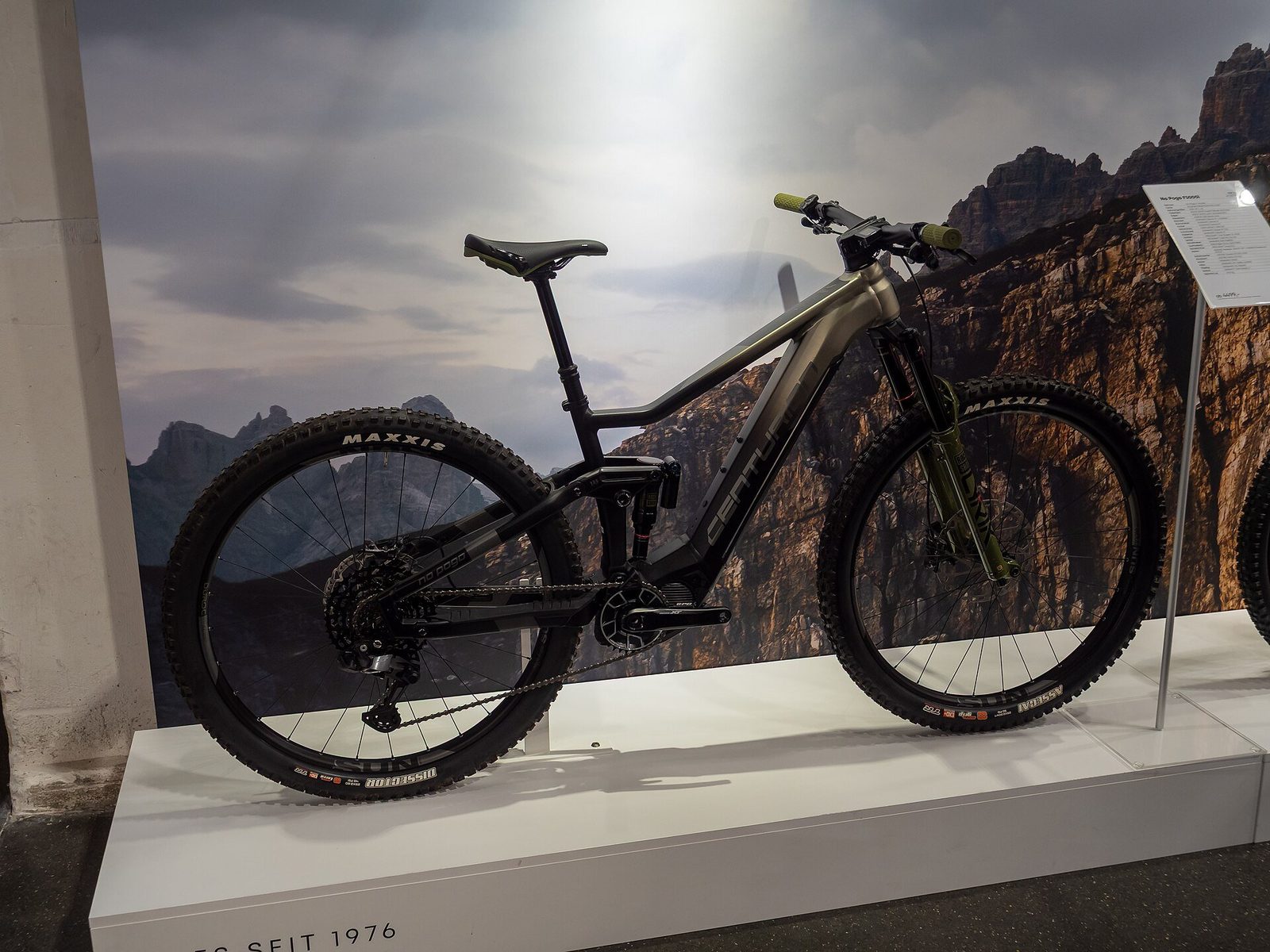
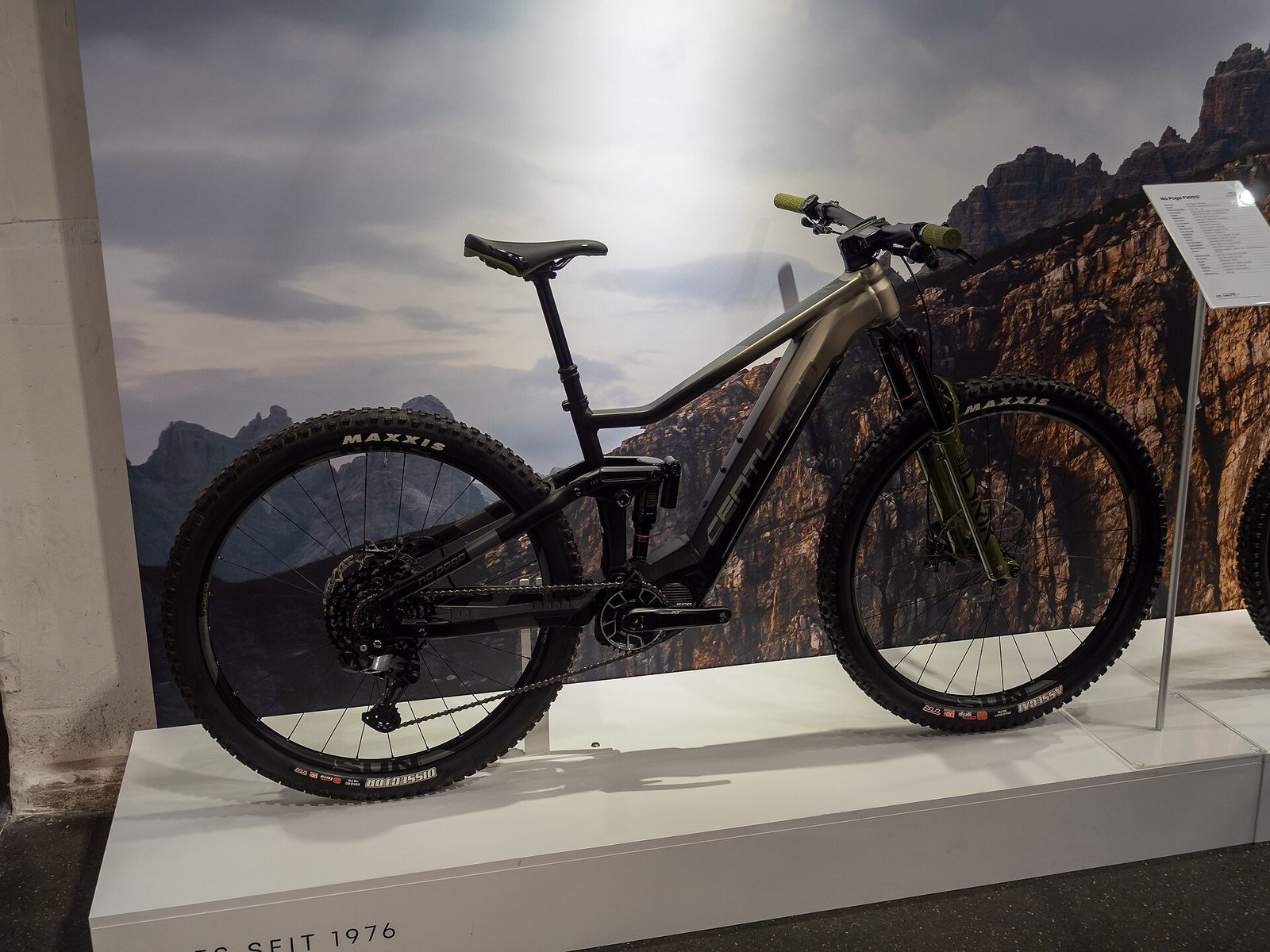
Full-suspension adds a rear shock: more traction, more comfort, more control on rough descents and technical terrain. It costs $800–1,500+ more at equivalent spec, adds weight, and needs shock maintenance — but if your trails are rocky, rooty, or steep, it's transformative.
The call: smooth to moderate trails → hardtail and pocket the savings. Rough, technical, or lift-served riding → full suspension. When in doubt, rent both for a day on your local trails before buying.
The e-bike twist
On acoustic bikes, full suspension's weight penalty hurts on climbs. The motor erases most of that penalty — which is why full-suspension dominates e-MTB sales far more than the acoustic market. If you can afford it and your trails warrant it, the e-MTB case for full suspension is stronger than ever.
Cost reality check
At equal spec, full suspension adds roughly $800–$1,500. That money could alternatively buy a better motor or battery on a hardtail. Decide by trail roughness first, budget second.
Frequently asked questions
Is full suspension overkill for beginners?
Not necessarily — it's more forgiving of mistakes. But beginners on smooth trails learn handling fundamentals faster on a hardtail.
Does full suspension need more maintenance?
Yes — shock service (yearly lower-leg, full service every couple of years) on top of normal bike maintenance. Budget $150–300/year.