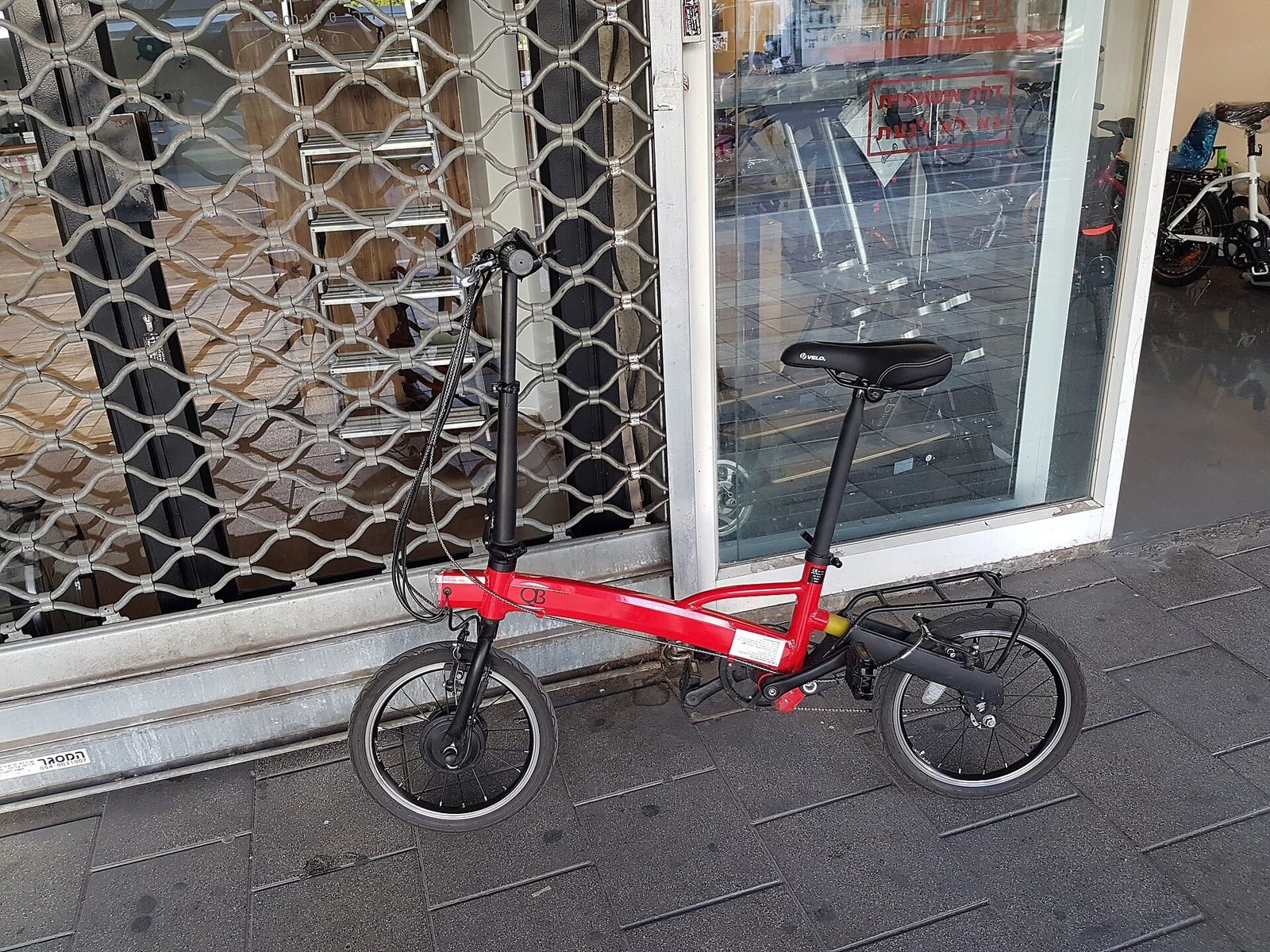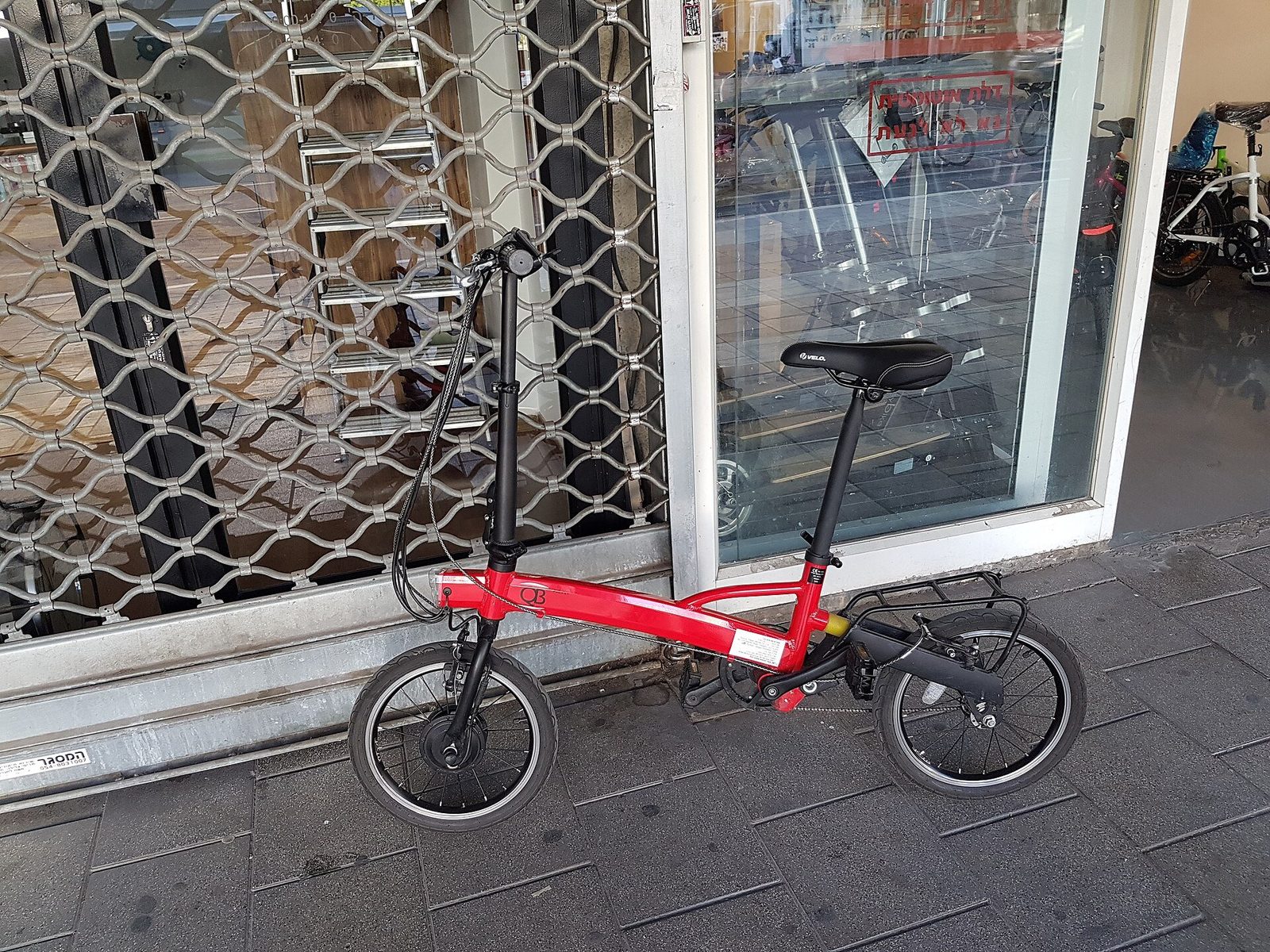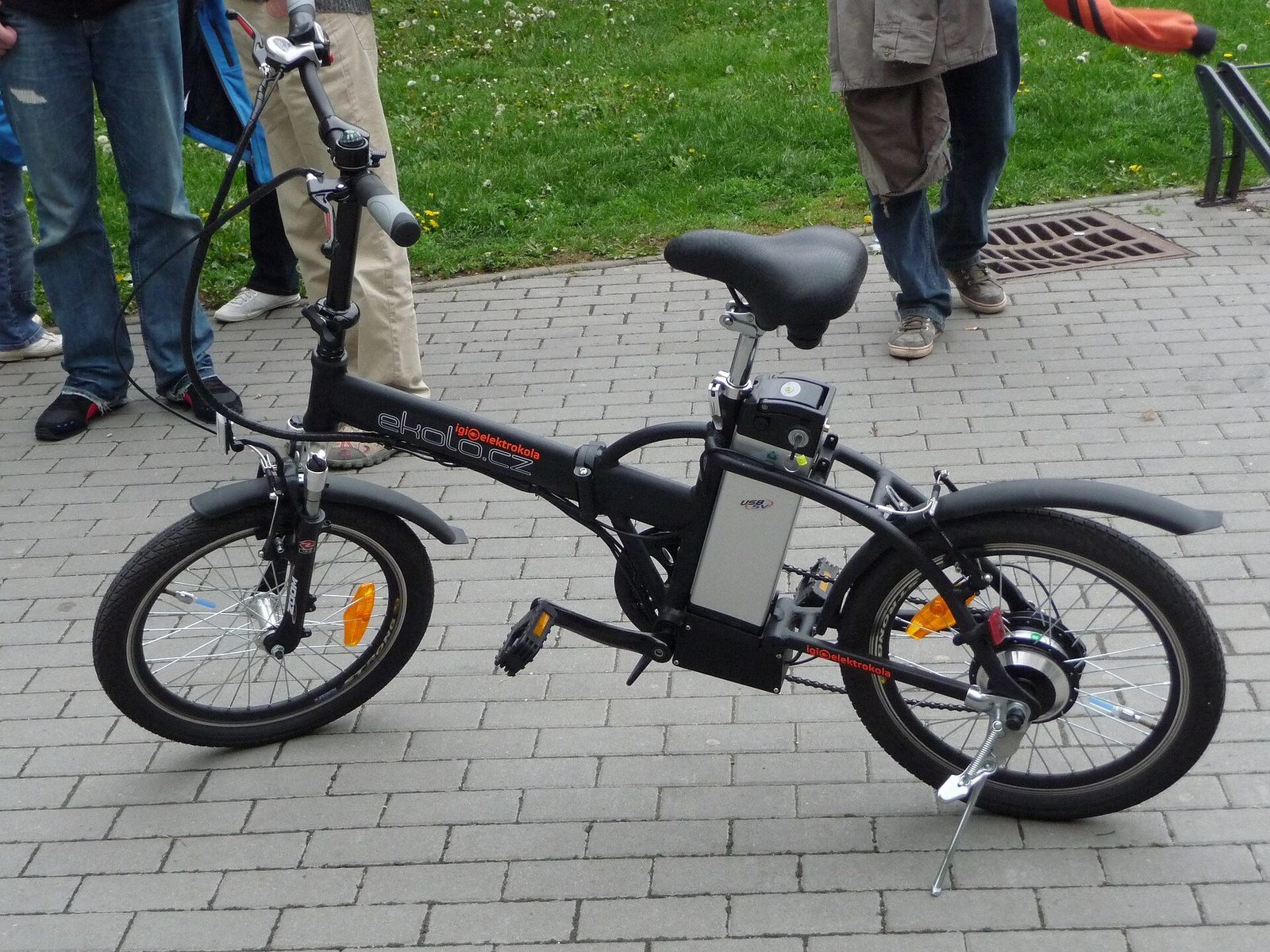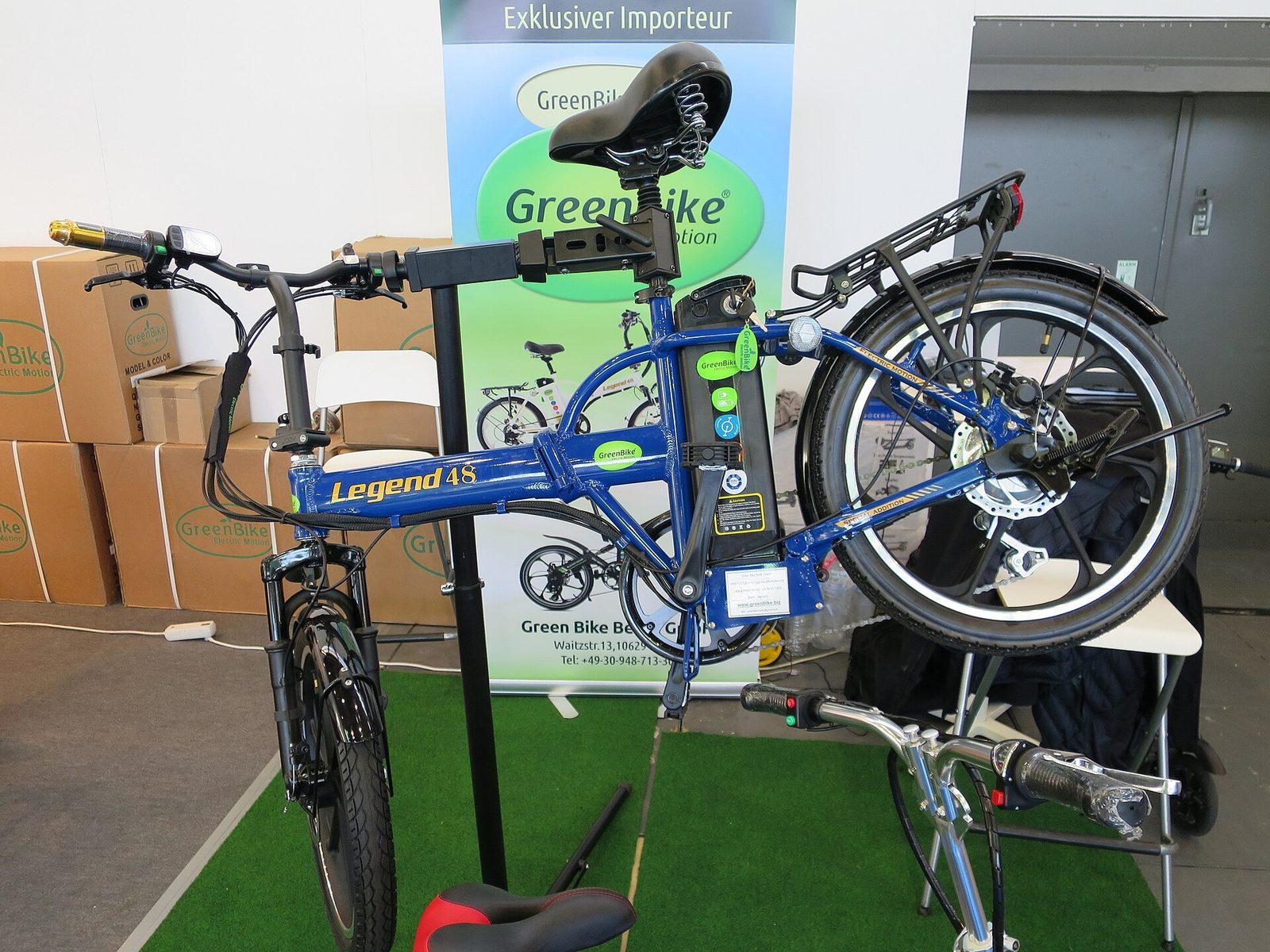
It's the most-asked travel question in e-bikes, and the answer disappoints everyone exactly once. Here's the rule, the reason, and your options.
Can you fly with an e-bike?
Almost certainly not with the battery installed. Airline rules (IATA) prohibit lithium batteries over 160Wh in checked or carry-on baggage, and batteries between 100–160Wh need airline approval — most e-bike batteries are 400–700Wh, far over the limit. The bike frame can fly as sporting equipment; the battery cannot.
Workarounds: ship the battery separately via ground courier (declared as hazmat, which costs), rent a battery at your destination, or buy a travel-specific e-bike with a sub-160Wh pack (rare and range-limited). For most people, the practical answer is: fly, then rent an e-bike there. Folding e-bikes shine for car, train, RV, and boat travel — just not air.
Workarounds that actually work
- Ship the battery ground (declared hazmat) and fly with the frame — costs $50–150 each way
- Rent at your destination — often cheaper and zero hassle
- Buy a travel battery under 160Wh if your system supports it (rare)
- Drive instead — folders shine for road trips
Frequently asked questions
Can I put an e-bike battery in checked luggage?
No — batteries over 160Wh are prohibited in both checked and carry-on baggage on passenger aircraft. Most e-bike batteries are 400–700Wh.
What about cruise ships or ferries?
Rules vary by operator — many allow e-bikes with batteries installed (unlike airlines). Check with the specific line.