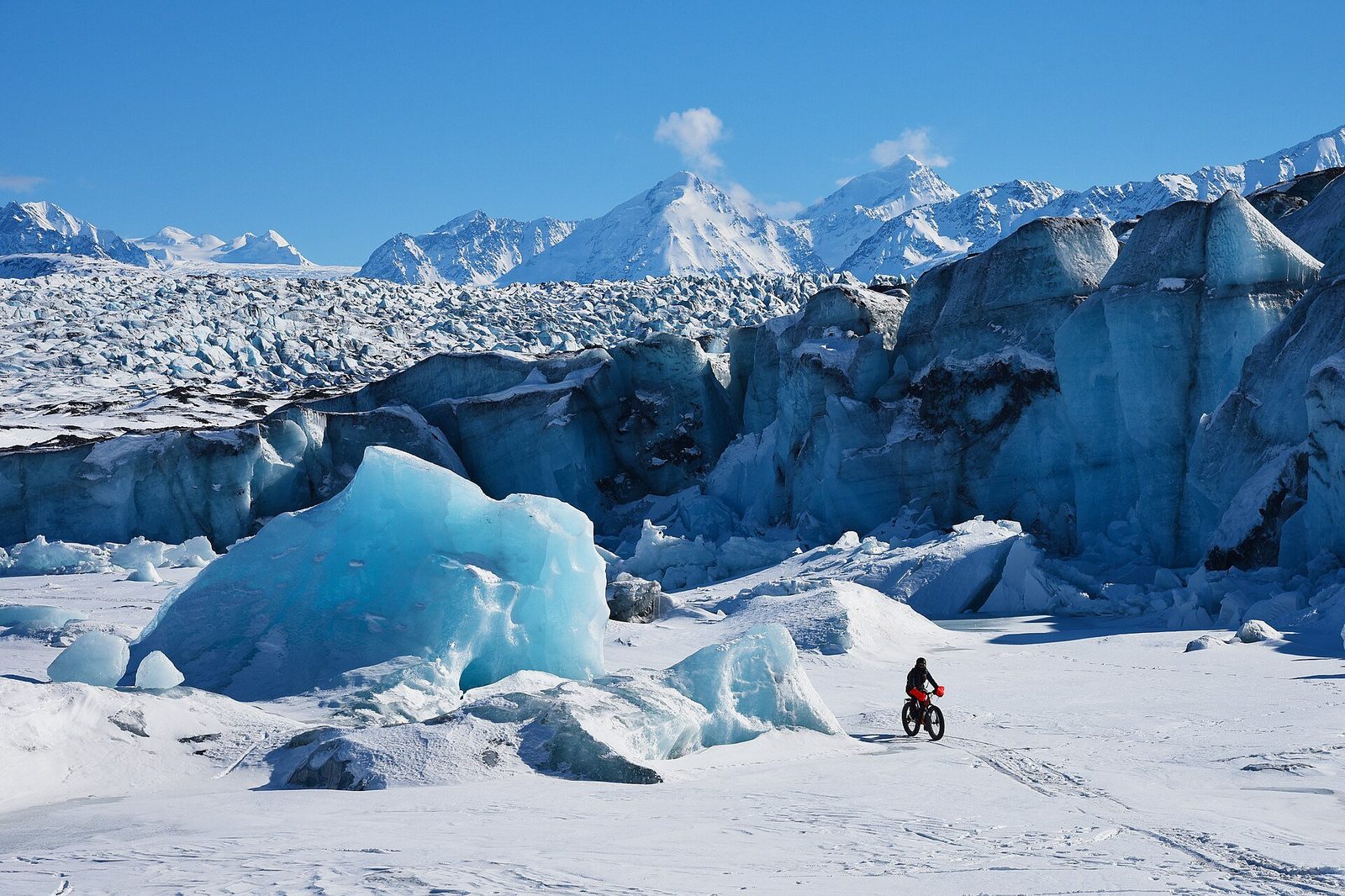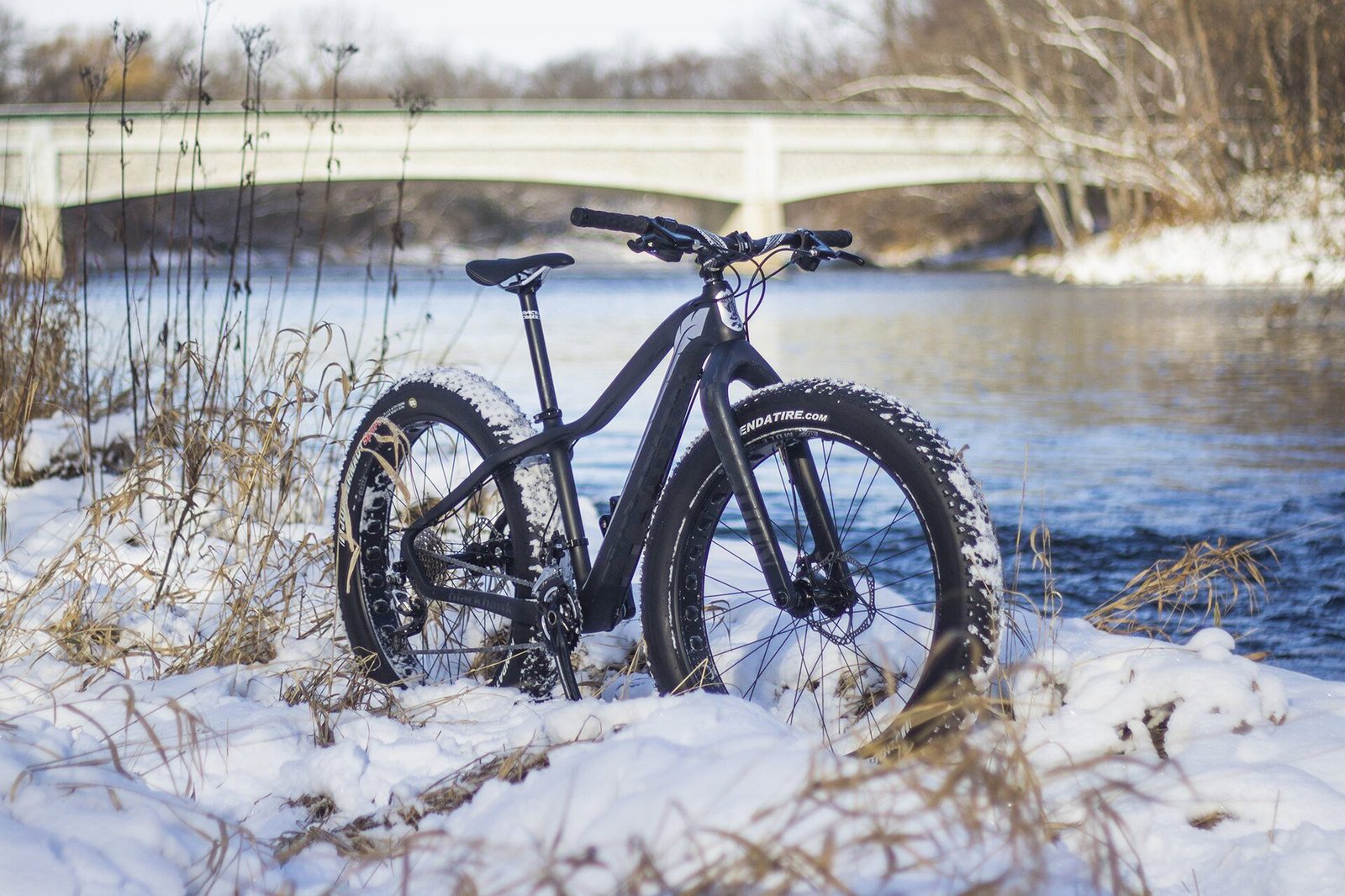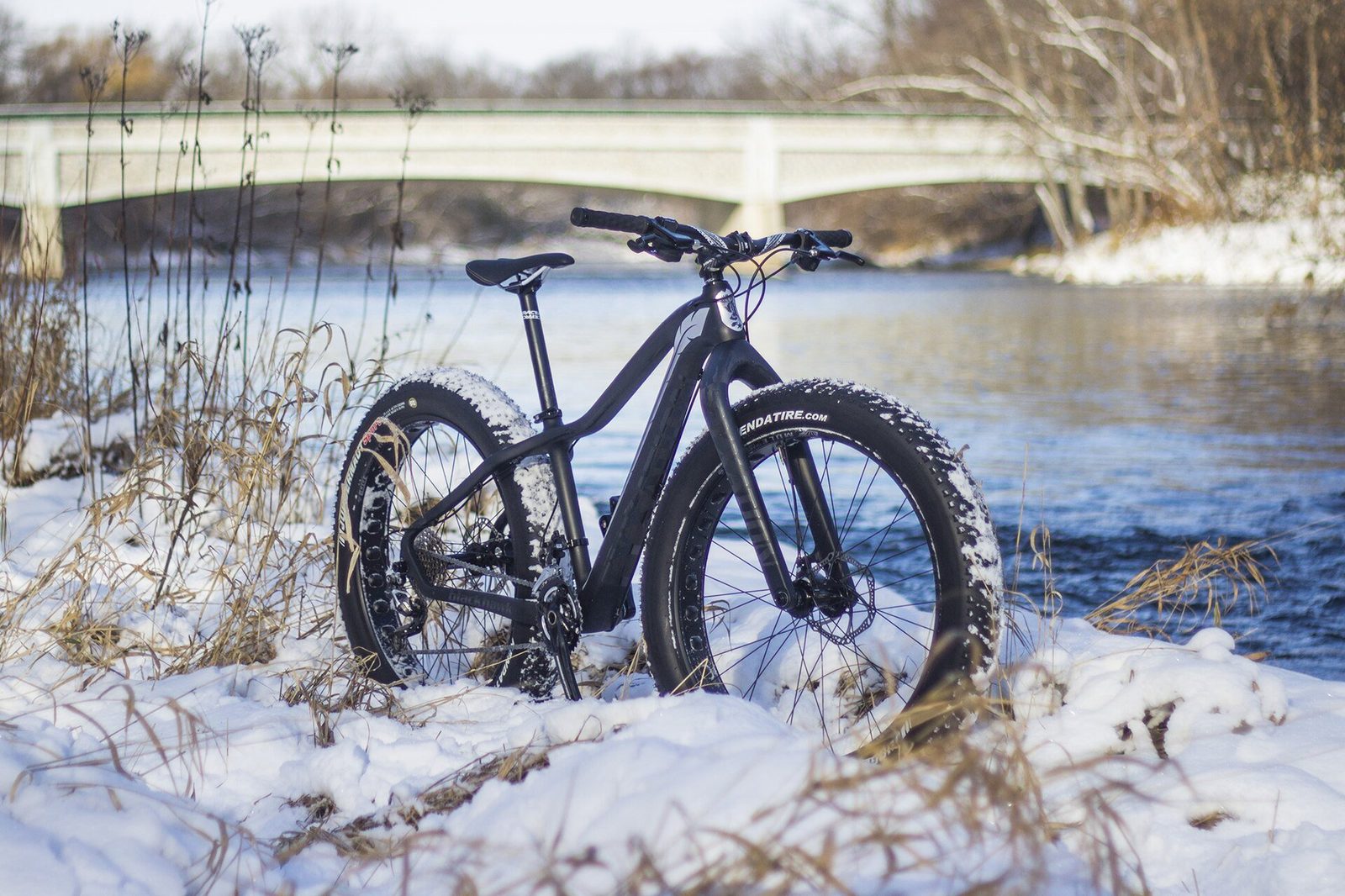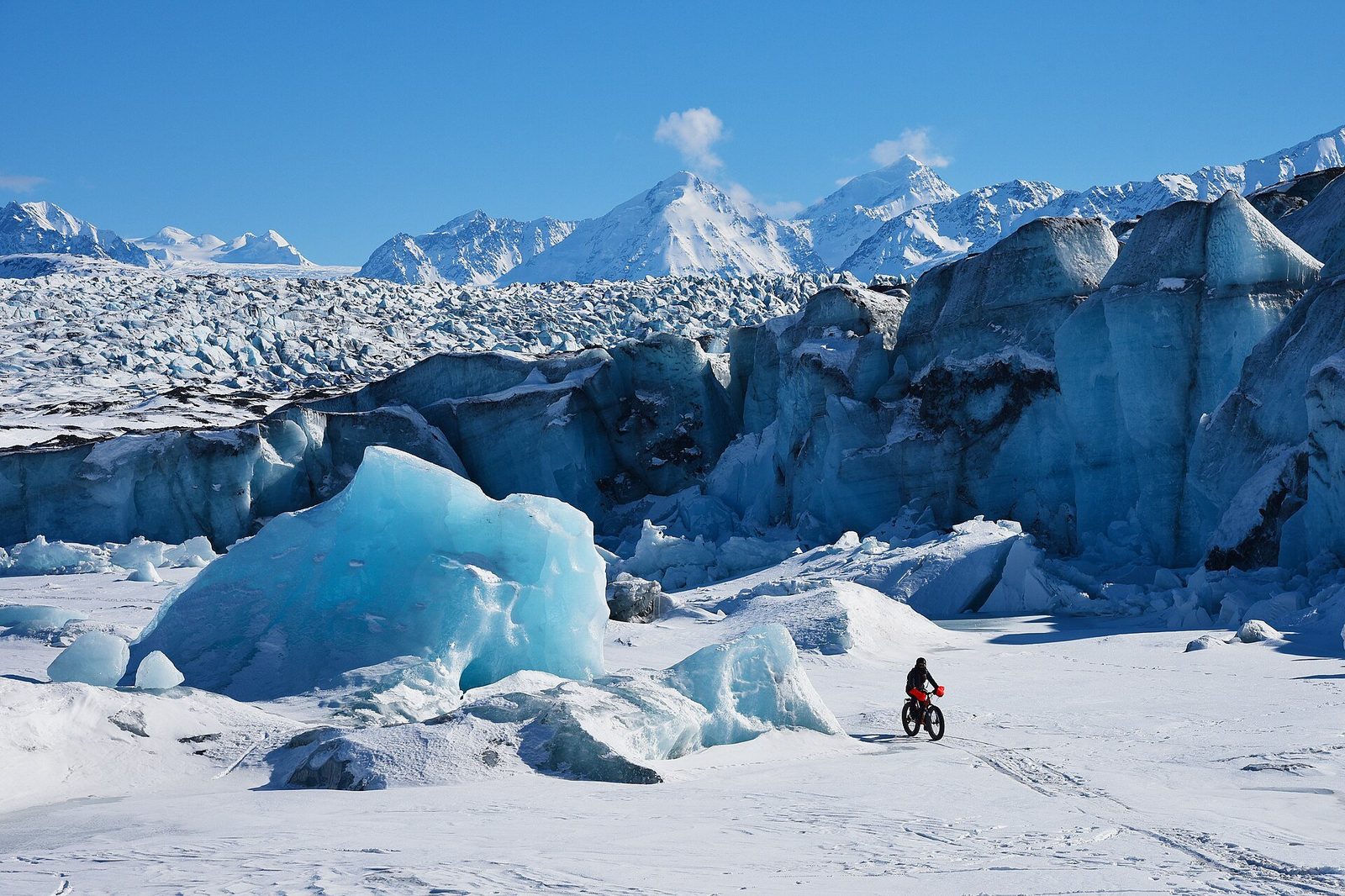
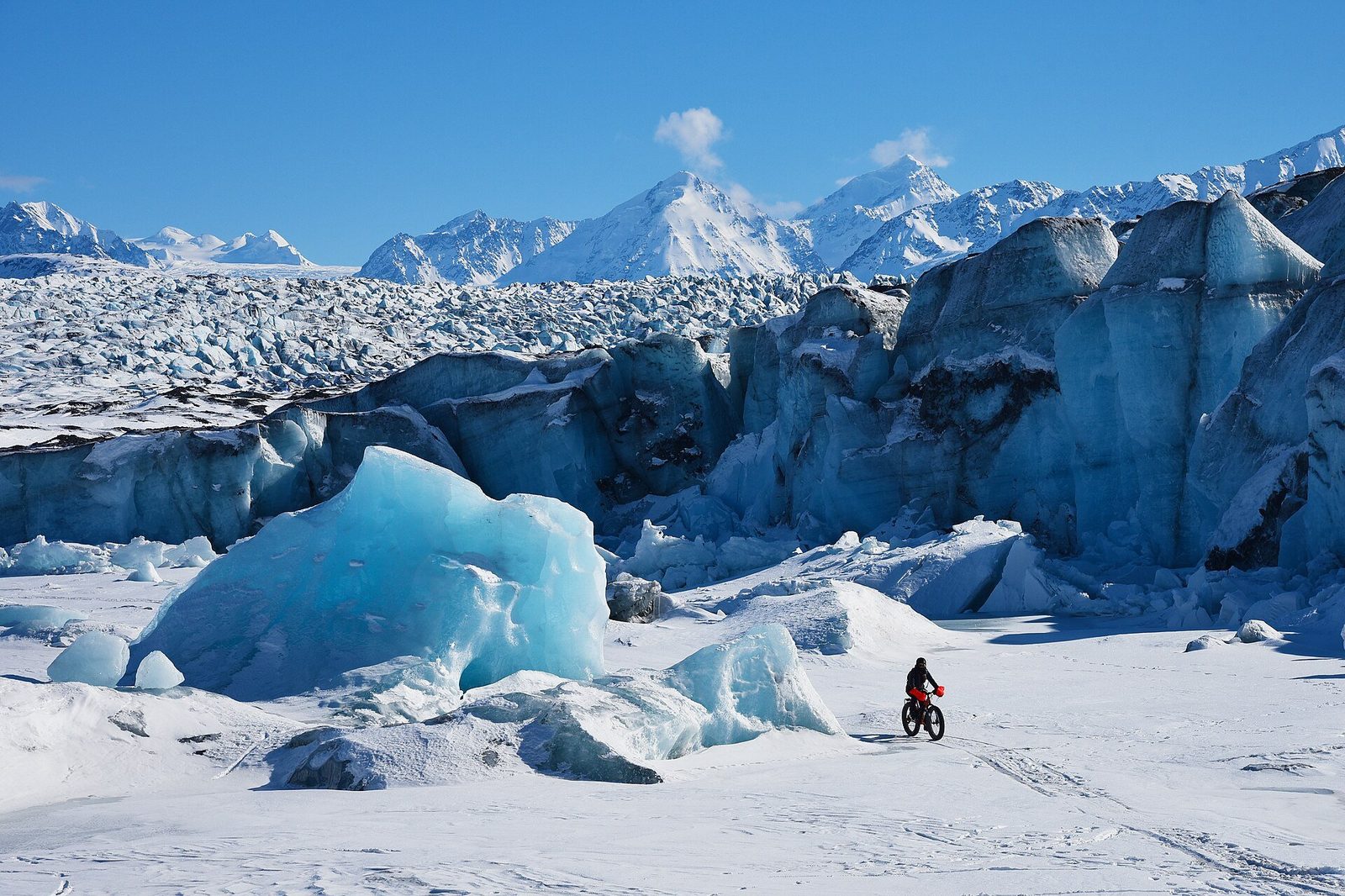
Fat-tire e-bikes are the SUVs of the e-bike world — 4" tires that float over sand, snow, and trails where normal tires dig in and quit. They're also heavy and inefficient on pavement. Here's where the good ones are.
- Fat tires float on soft surfaces — sand, snow, loose gravel — like nothing else.
- On pavement they're overkill: heavier, slower, thirstier.
- Tire pressure is everything: 5–8 PSI for soft stuff, 12–15 for road.
Aventon Aventure 3
4-inch fat tires, torque sensor, cruise control, GPS tracking
$1500-$2500Check Current Price →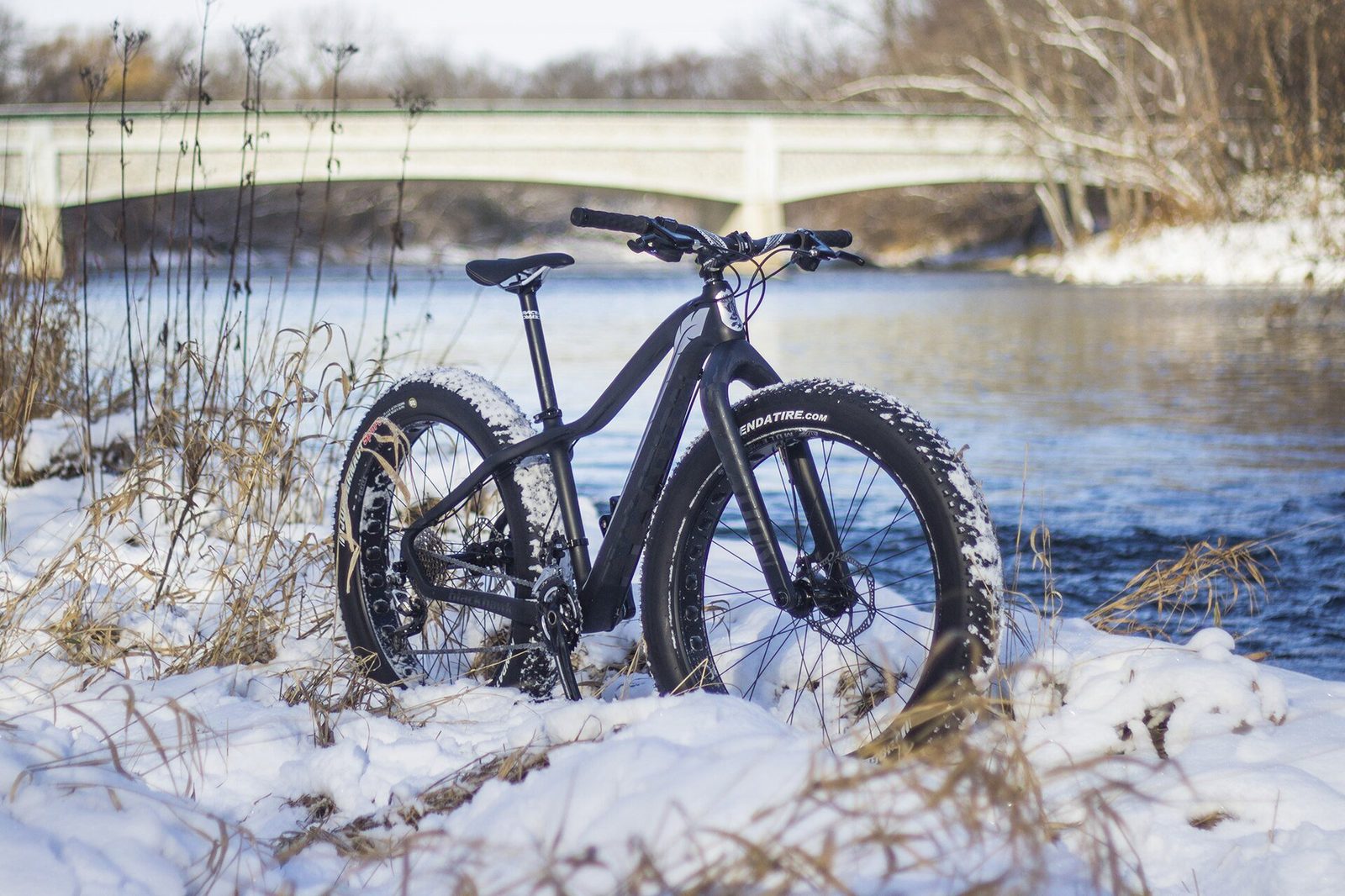
Himiway D3 (Cruiser)
26x4in Kenda fat tires, 350 lb payload, Samsung/LG cells
$1500-$2500Check Current Price →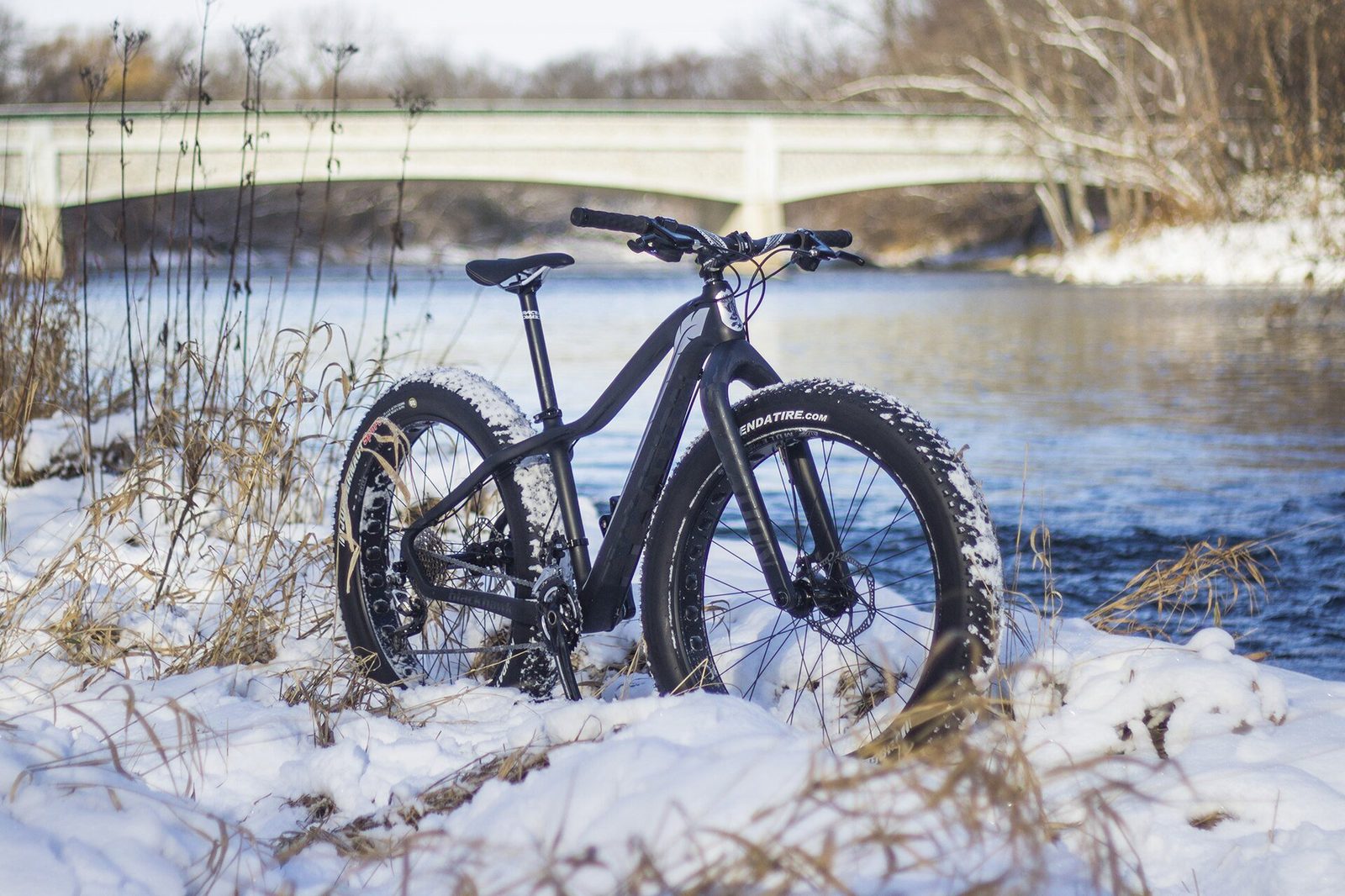
Mokwheel Basalt 2.0
power-station inverter + solar option, torque sensor
$1500-$2500Check Current Price →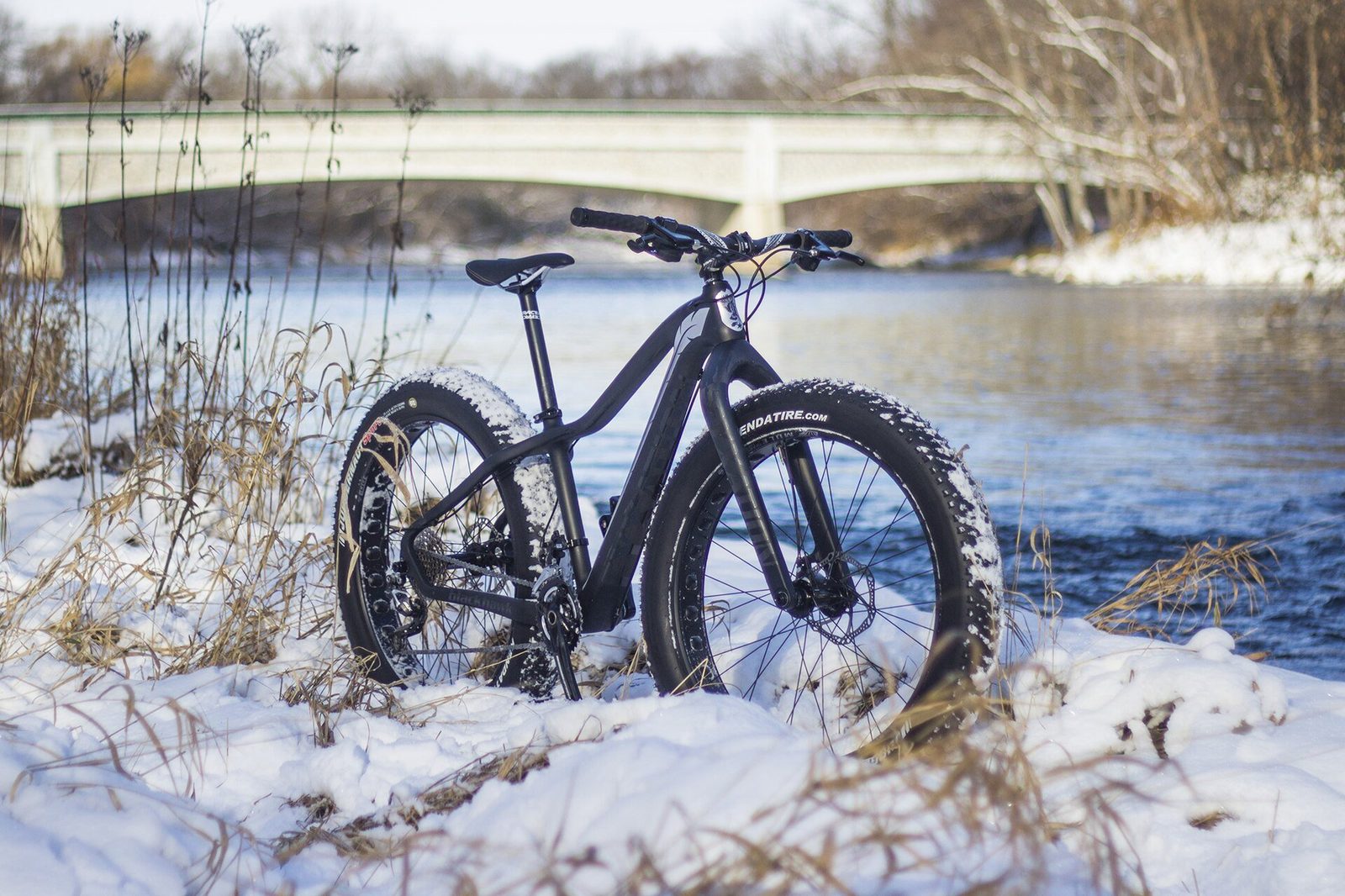
Lectric XPeak 2.0
RST Renegade fork, 4-piston hydraulic brakes, eMTB safety rated
$1000-$1500Check Current Price →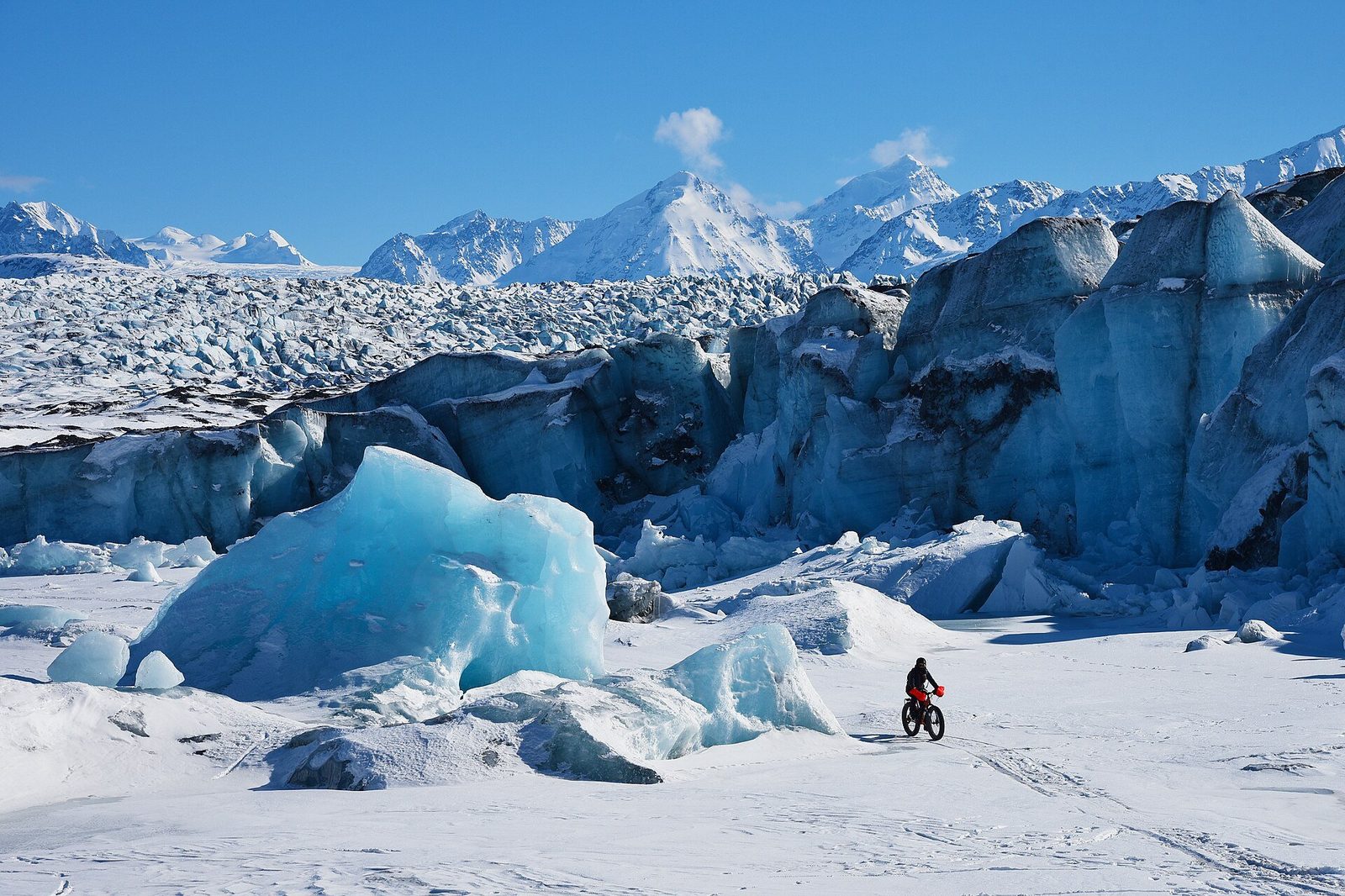
Ecotric Hammer
vintage styling, 26x4in fat tires, hydraulic disc brakes
$1000-$1500Check Current Price →How we chose
We looked for honest all-terrain geometry (not just wide tires on a cruiser frame), adequate power (750W motors earn their keep in soft stuff), hydraulic brakes (stopping 70 lbs matters), and brands with support.
When fat tires make sense (and when they don't)
Fat tires (4"+ wide) float: on sand, snow, and loose gravel they stay on top where normal tires dig in. They also deliver a magic-carpet ride on rough pavement — natural suspension without moving parts.
The costs are real: more weight, more rolling resistance (expect 10–20% less range than the same bike on standard tires), more noise on pavement, and slower handling. For beach towns, snowy regions, hunting, and off-grid use, they're the right tool. For paved commuting on decent roads, they're overkill — a 2.2–2.6" tire gives 80% of the comfort with far less penalty.
Fat-tire pressure: the short guide
Fat tires work by conforming to the surface, and pressure is everything:
- Pavement: 12–15 PSI for efficiency and handling.
- Gravel/hardpack: 8–12 PSI for comfort and grip.
- Sand and snow: 5–8 PSI — this is where fat tires earn their keep.
Too high and you bounce off everything; too low and you risk rim strikes and squirmy handling. Get a low-pressure gauge (standard gauges are inaccurate below 10 PSI) and check often — fat tires lose air faster than you'd expect. When in doubt, start at 10 PSI and adjust by feel.
Frequently asked questions
Are fat-tire e-bikes good for commuting?
They work, but they're the wrong tool for paved commutes — heavy, inefficient, and slow-steering. A commuter or hybrid serves pavement far better.
Can fat-tire e-bikes handle snow?
Yes — it's their signature talent. Low pressure (5–8 PSI), steady assist, and realistic expectations about deep powder.
How much do fat-tire e-bikes weigh?
Typically 65–75 lbs — among the heaviest e-bikes. Plan ground-level storage.