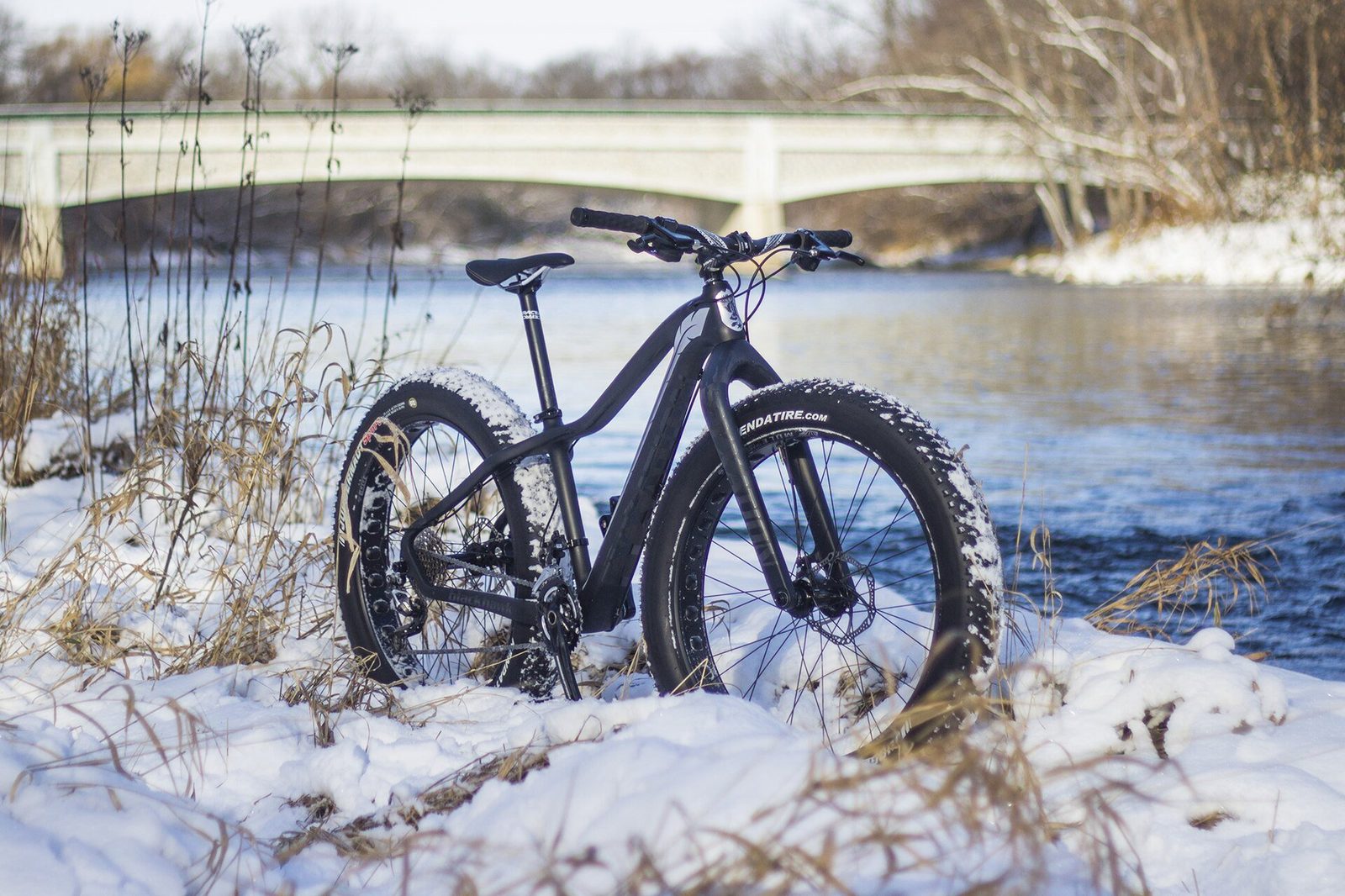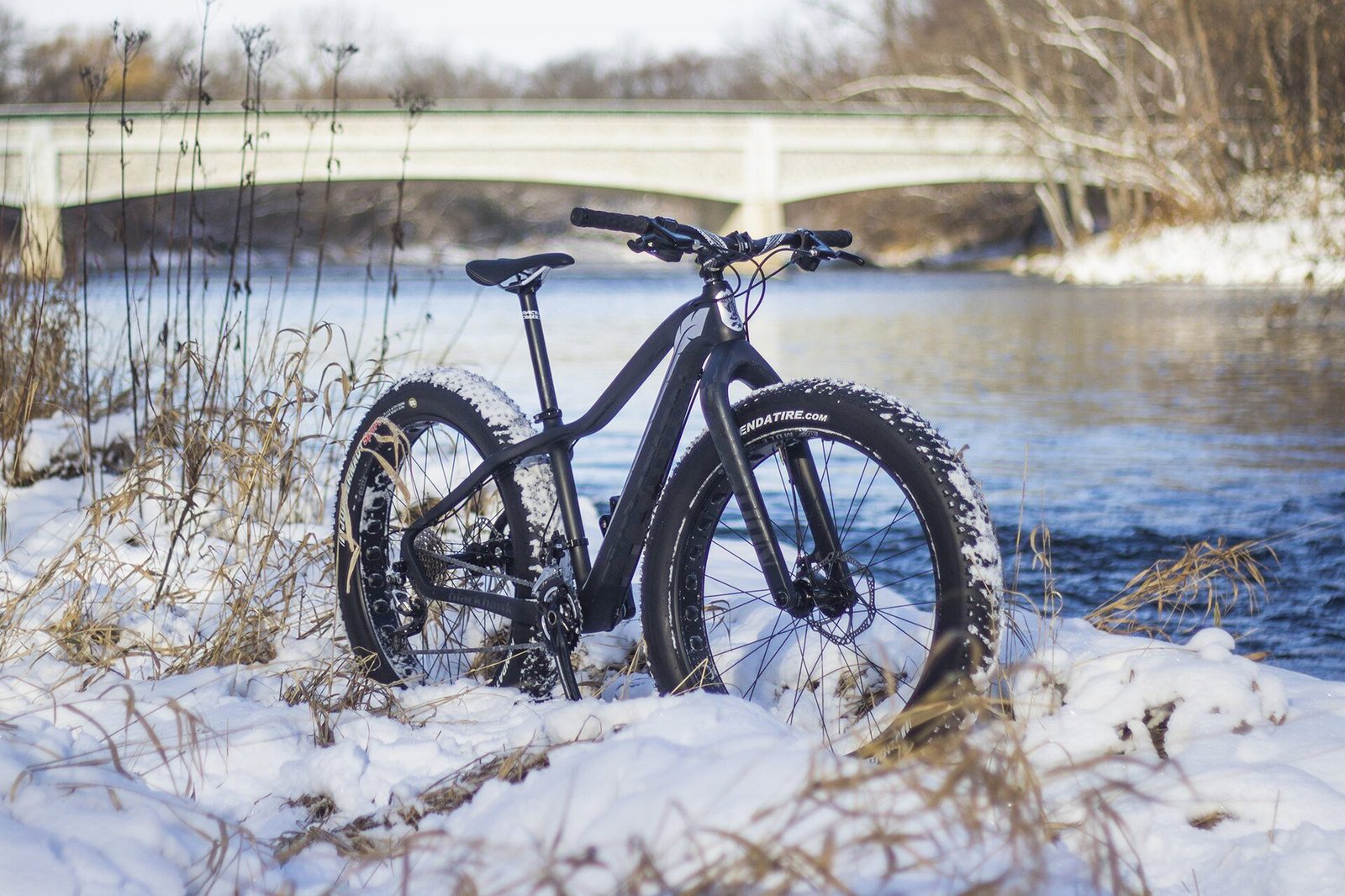
Fat-tire e-bikes range from excellent to awful with little visual difference. Here's what actually separates them.
The fat-tire checklist
- Motor: 750W (or strong 500W) — soft surfaces eat power
- Brakes: hydraulic — 70 lbs needs real stopping power
- Tires: true 4"+ width from a known tire maker, not mystery rubber
- Gearing: low climbing gears for soft-surface starts
- Frame: proper fat-bike geometry (wide fork/rear spacing), not a stretched cruiser
- Weight: under 70 lbs is the goal; over 75 is a red flag
- Fenders/rack mounts: for utility use
What motor watts tell you (and what they don't)
You'll see motors rated 250W, 500W, or 750W. In the US, 750W is the common legal ceiling for e-bikes; in the EU and UK, it's 250W. But wattage alone is a crude measure — torque (measured in Newton-meters, Nm) tells you more about hill-climbing ability. A 250W mid-drive making 85Nm will out-climb a 500W hub motor making 45Nm on a steep grade, because it multiplies torque through the gears.
Also note the difference between nominal and peak watts. A "750W" motor might peak well above 1,000W for short bursts. Marketing leans on peak numbers; nominal is the honest continuous rating. When comparing bikes, line up torque figures and real rider reviews of hill performance rather than wattage alone.
Frequently asked questions
How much should a fat-tire e-bike cost?
$1,200–2,000 hits the value zone. Under $1,000, scrutinize brakes and support; over $2,500 should bring premium motors or full suspension.