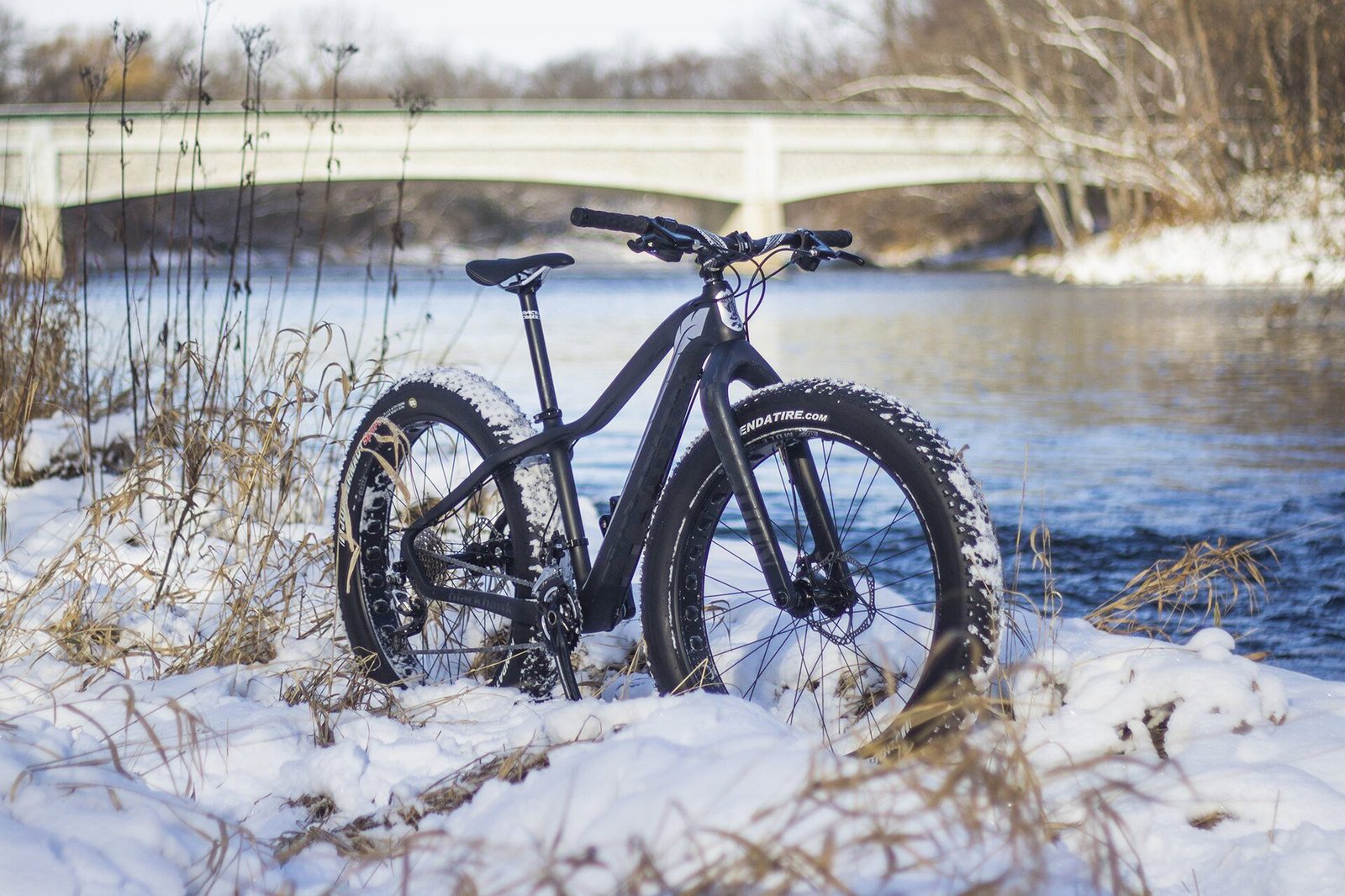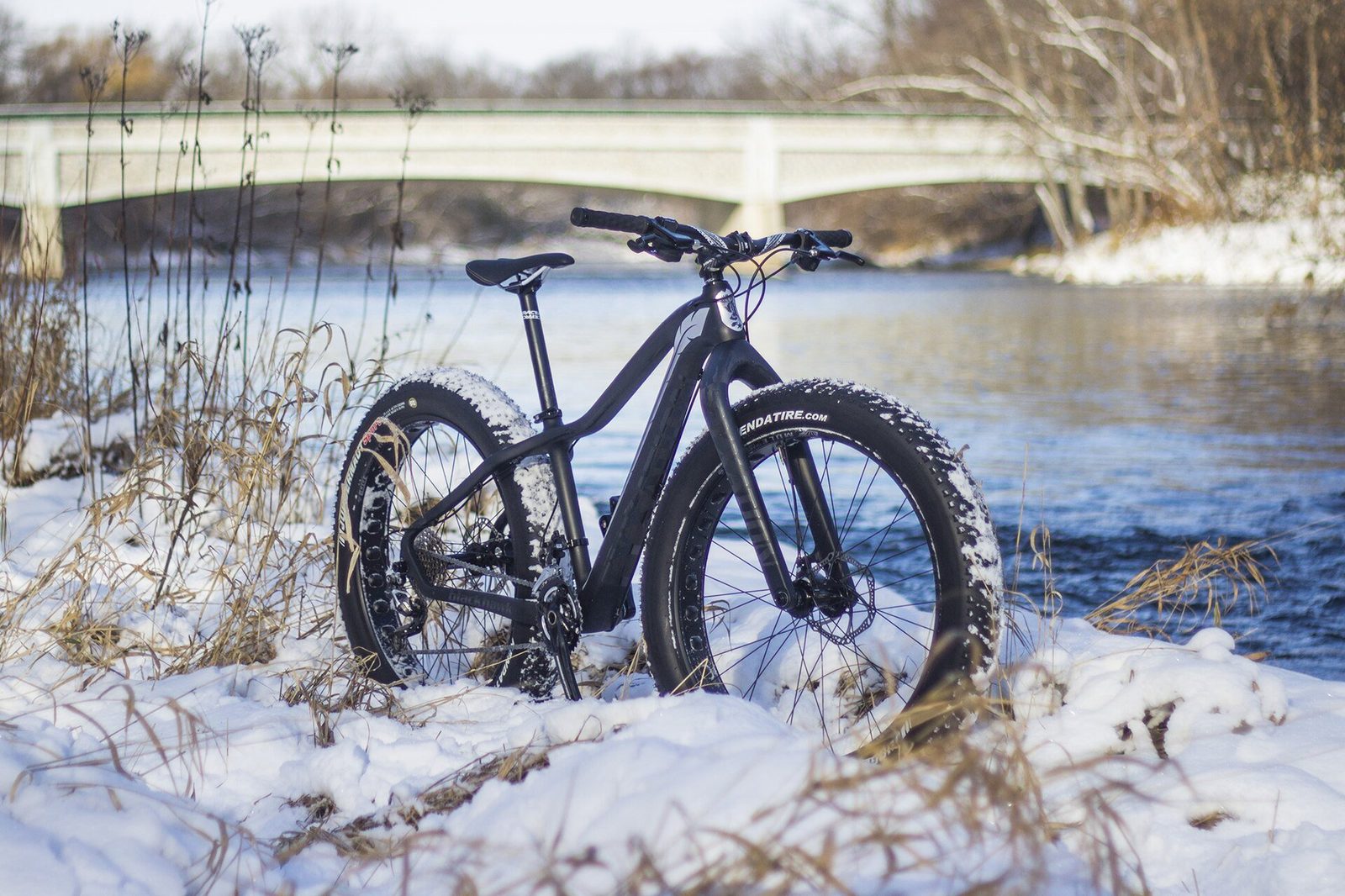
Fat tires work by conforming to the surface — and pressure determines everything. Too high and you bounce; too low and you squirm. Here's the chart.
Fat-tire pressure: the short guide
Fat tires work by conforming to the surface, and pressure is everything:
- Pavement: 12–15 PSI for efficiency and handling.
- Gravel/hardpack: 8–12 PSI for comfort and grip.
- Sand and snow: 5–8 PSI — this is where fat tires earn their keep.
Too high and you bounce off everything; too low and you risk rim strikes and squirmy handling. Get a low-pressure gauge (standard gauges are inaccurate below 10 PSI) and check often — fat tires lose air faster than you'd expect. When in doubt, start at 10 PSI and adjust by feel.
How to dial it in
Start at 10 PSI, ride, and adjust: if the ride feels harsh and bouncy, drop 2 PSI; if the tires squirm in corners or you feel rim strikes, add 2 PSI. Check pressure weekly — fat tires lose air faster than standard ones, and 3 PSI makes a dramatic difference at these low pressures. Invest in a low-pressure gauge (0–15 PSI); standard gauges are inaccurate down here.
Frequently asked questions
What PSI for fat tires on pavement?
12–15 PSI — efficient and stable without the bounce.
Can I run fat tires tubeless?
Yes, and it's excellent — fewer pinch flats at low pressure, plus sealant for thorns. Most fat rims convert well.