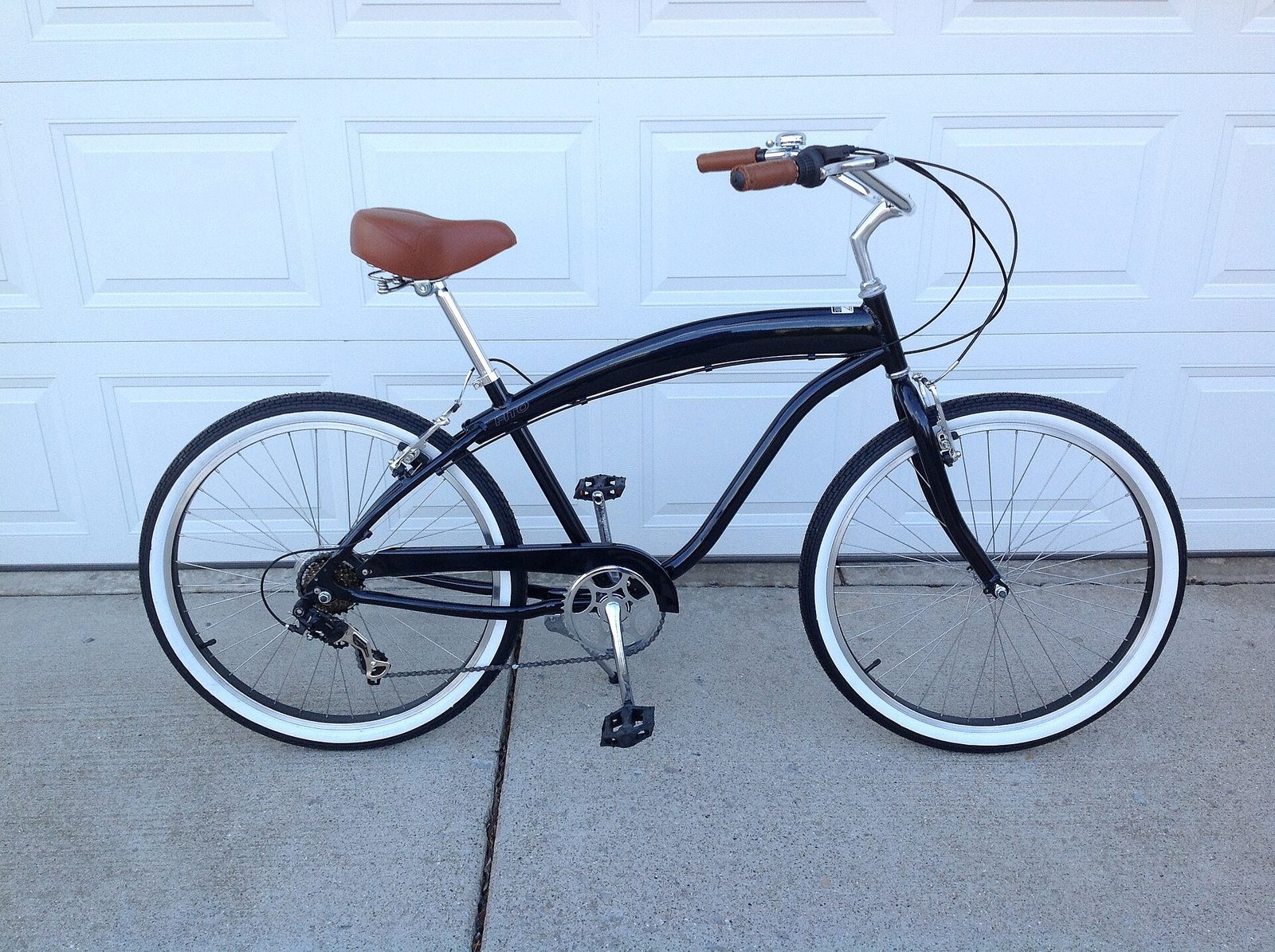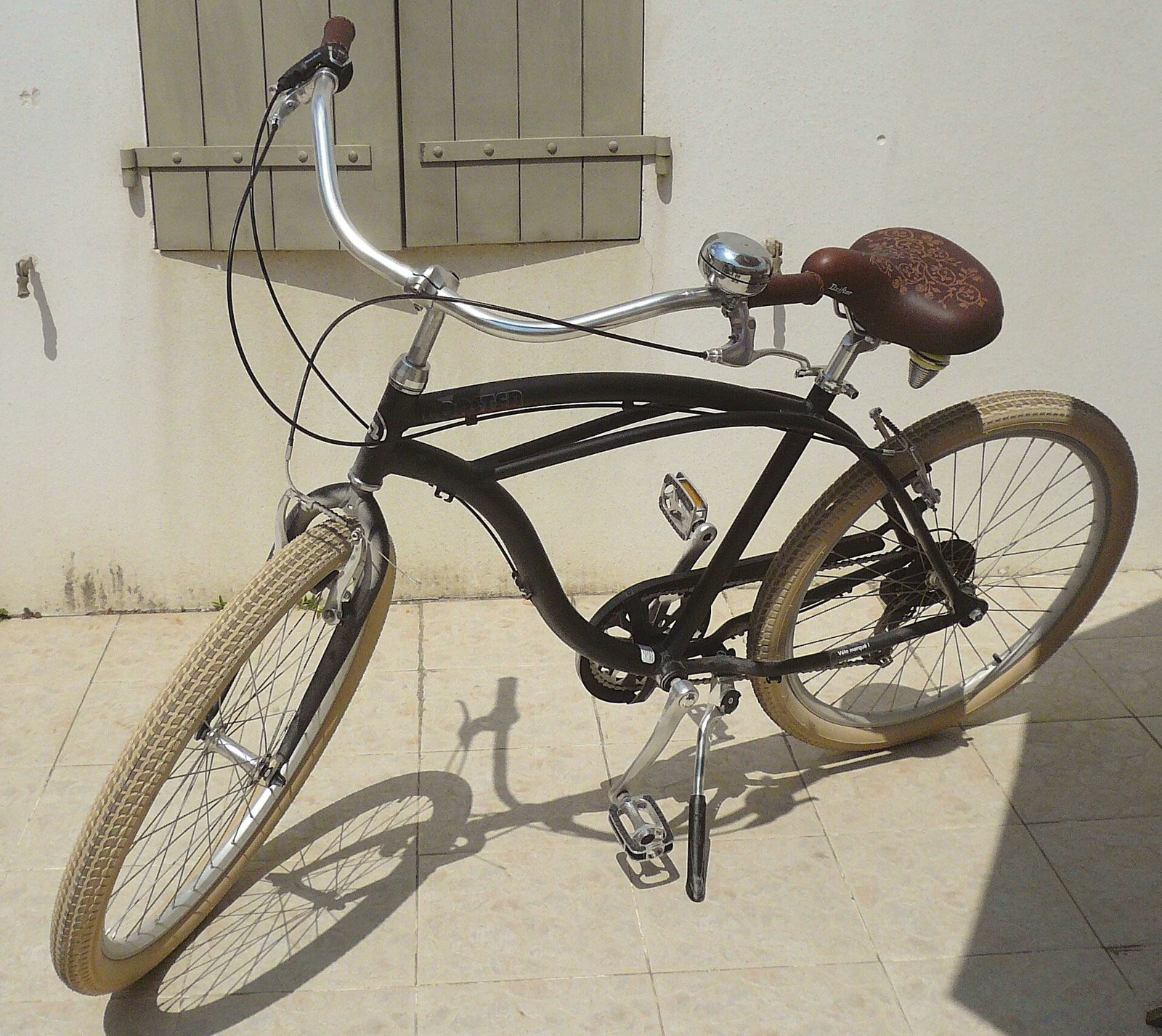
It's the first fork in the e-bike road. Here's the honest breakdown — including why the old advice is outdated.
Step-through vs step-over frames
Step-through frames (low or missing top tube) let you mount by stepping forward rather than swinging a leg over. Easier for shorter riders, anyone with limited hip mobility, frequent stop-and-go city riding, and riding in skirts or work clothes. The old knock — that they're flexy — is largely gone on modern e-bikes with reinforced tubing.
Step-over (diamond) frames are marginally stiffer and lighter, and they dominate mountain and performance e-bikes where frame rigidity matters. For commuting and comfort riding, choose based on convenience: if you'll be hopping on and off at lights and racks all day, step-through wins on daily livability.
Why step-through frames are having a moment
Step-throughs used to be dismissed as "old people's bikes." Then everyone tried one and realized stepping through beats swinging a leg over a 60-lb bike — especially at a red light, in work clothes, with a loaded rack, or with creaky hips.
Modern step-through e-bikes are structurally sound (reinforced downtubes solved the old flex problem), and they dominate the comfort/commuter market for good reason. If you mount and dismount frequently, carry cargo, or just value convenience, there's no performance penalty that matters for real-world riding. Choose the frame that makes you ride more, not the one that looks racier in photos.
When step-over still wins
Mountain biking (frame rigidity matters on trails), performance riding (stiffer = more efficient power transfer), and taller riders on big frames (more standover clearance options). Everywhere else, it's preference — and convenience is a legitimate performance metric for daily riding.
Frequently asked questions
Are step-through bikes less durable?
No — modern step-through e-bike frames are engineered for the loads and pass the same testing. The 'weaker' reputation is decades out of date.