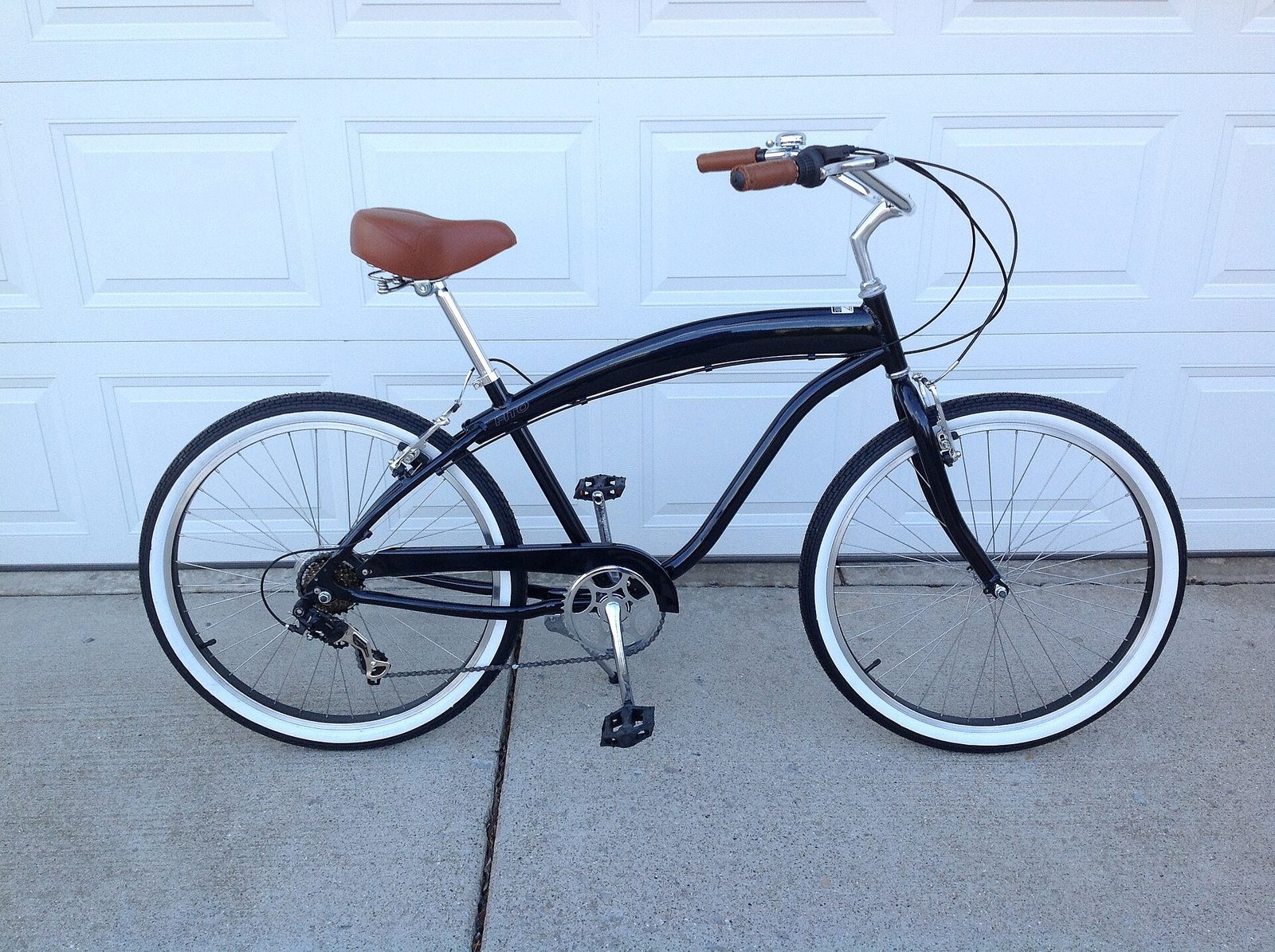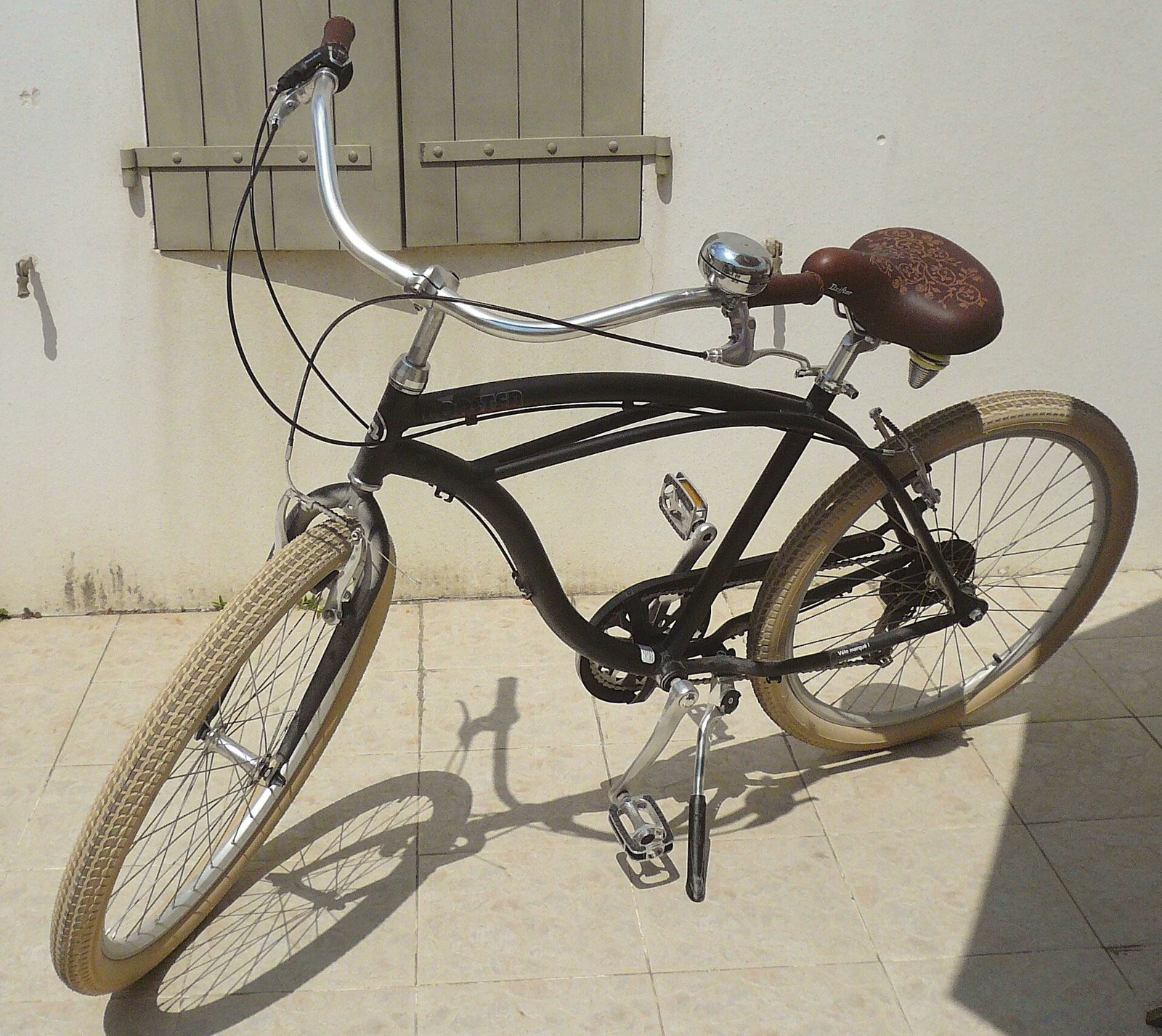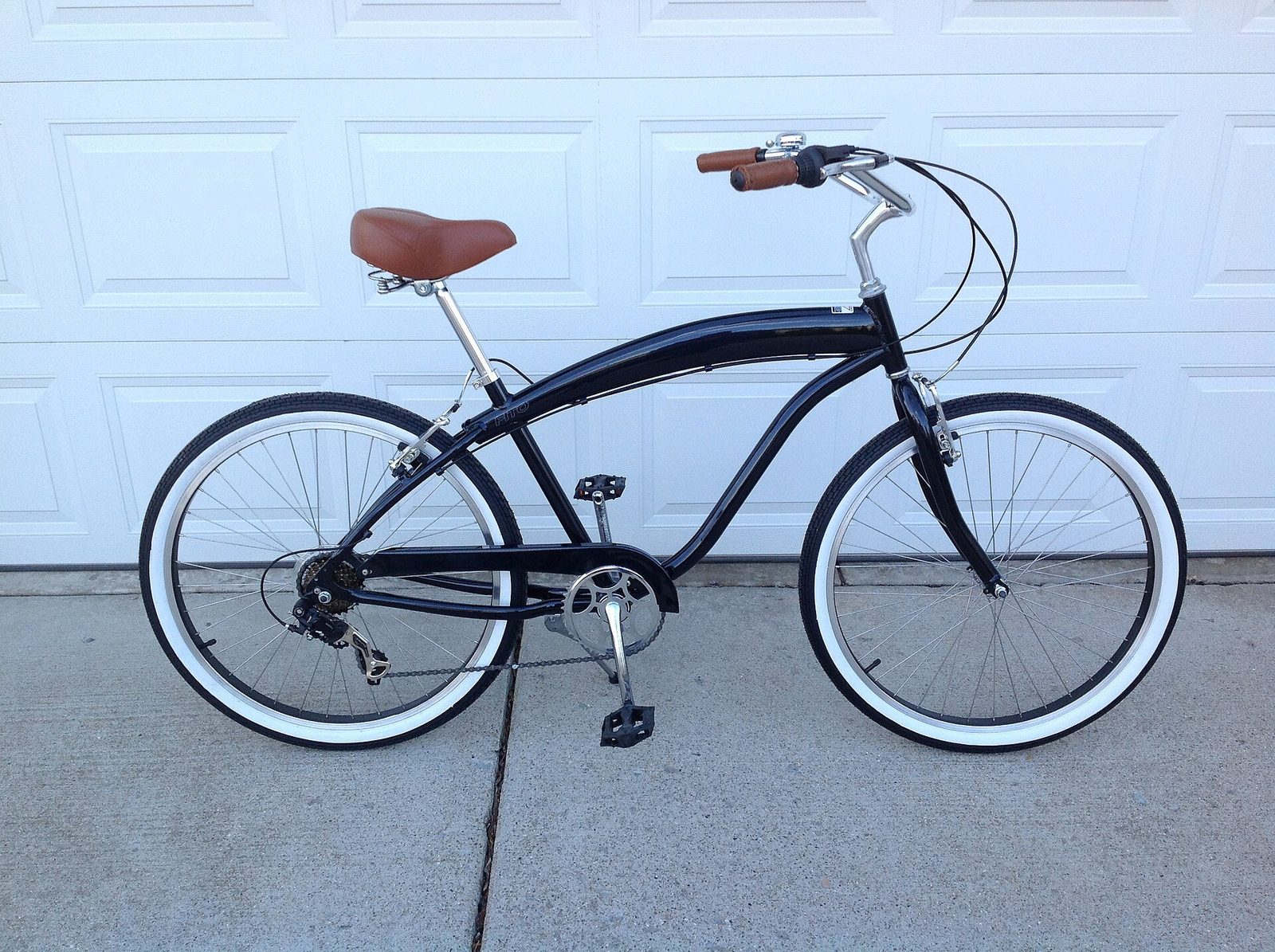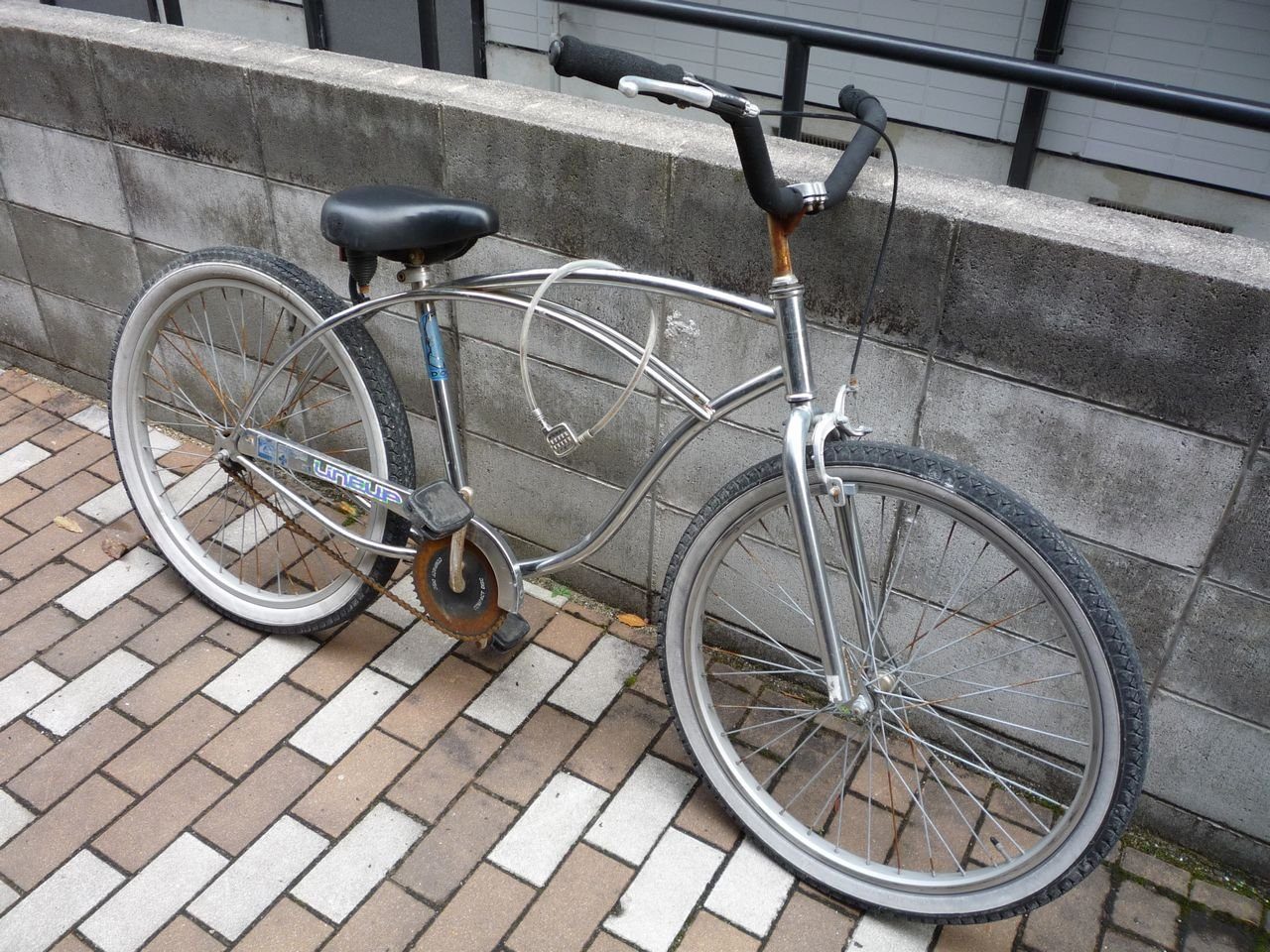
Beach cruiser e-bikes are a lifestyle: balloon tires, swept bars, and assist for the ride home into the sea breeze. Here's what to look for — including the salt problem nobody mentions.
The beach cruiser formula
- Balloon tires (2.5"+): float over boardwalk planks and packed sand
- Upright cruiser geometry: see the sunset, not your front wheel
- Simple drivetrain: single-speed or internally-geared hub — less to corrode
- Fenders: sand spray is relentless
Salt air: the hidden cost
Coastal riding accelerates corrosion on chains, spokes, fasteners, and electrical contacts. Mitigate: rinse after rides, keep the chain lubed (or go belt-drive), store indoors, and apply anti-corrosion spray to exposed metal. Budget more maintenance than an inland bike — or accept a shorter component life.
Comfort ergonomics: bars, saddles, and contact points
Comfort on an e-bike comes from contact points, not marketing:
- Handlebars: swept-back "cruiser" or riser bars put you upright, taking weight off wrists and neck. If your hands go numb, the bars — not the saddle — are usually the culprit.
- Saddle: wider isn't automatically better; it must match your sit-bone width. Upright riding positions want wider, cushioned saddles.
- Grips: ergonomic wing grips distribute palm pressure and prevent numbness on longer rides.
- Suspension seatpost: the single best comfort upgrade for rigid e-bikes — takes the edge off potholes and chatter for ~$50–150.
Dial these in before blaming the bike. Most "uncomfortable e-bike" problems are $30 grip or saddle adjustments, not frame problems.
Frequently asked questions
Can I ride a cruiser e-bike on sand?
Packed wet sand, yes — especially with 3"+ tires at low pressure. Soft dry sand defeats most cruisers; that's fat-tire territory.