E-bikes are a longevity machine for older riders — assist flattens hills, extends range, and keeps joints happy. But the right bike prioritizes stability, easy mounting, and confidence over performance. Here's the guide.
What seniors should prioritize
- Step-through frame — mounting confidence is everything
- Low standover — flat-foot at stops
- Upright geometry — neck, back, and wrist friendly
- Stable handling — longer wheelbase, not twitchy
- Simple controls — readable display, intuitive assist levels
- Manageable weight — or a plan for storage at ground level
- Throttle — helpful for starts when balance is tentative
Why step-through frames are having a moment
Step-throughs used to be dismissed as "old people's bikes." Then everyone tried one and realized stepping through beats swinging a leg over a 60-lb bike — especially at a red light, in work clothes, with a loaded rack, or with creaky hips.
Modern step-through e-bikes are structurally sound (reinforced downtubes solved the old flex problem), and they dominate the comfort/commuter market for good reason. If you mount and dismount frequently, carry cargo, or just value convenience, there's no performance penalty that matters for real-world riding. Choose the frame that makes you ride more, not the one that looks racier in photos.
Comfort ergonomics: bars, saddles, and contact points
Comfort on an e-bike comes from contact points, not marketing:
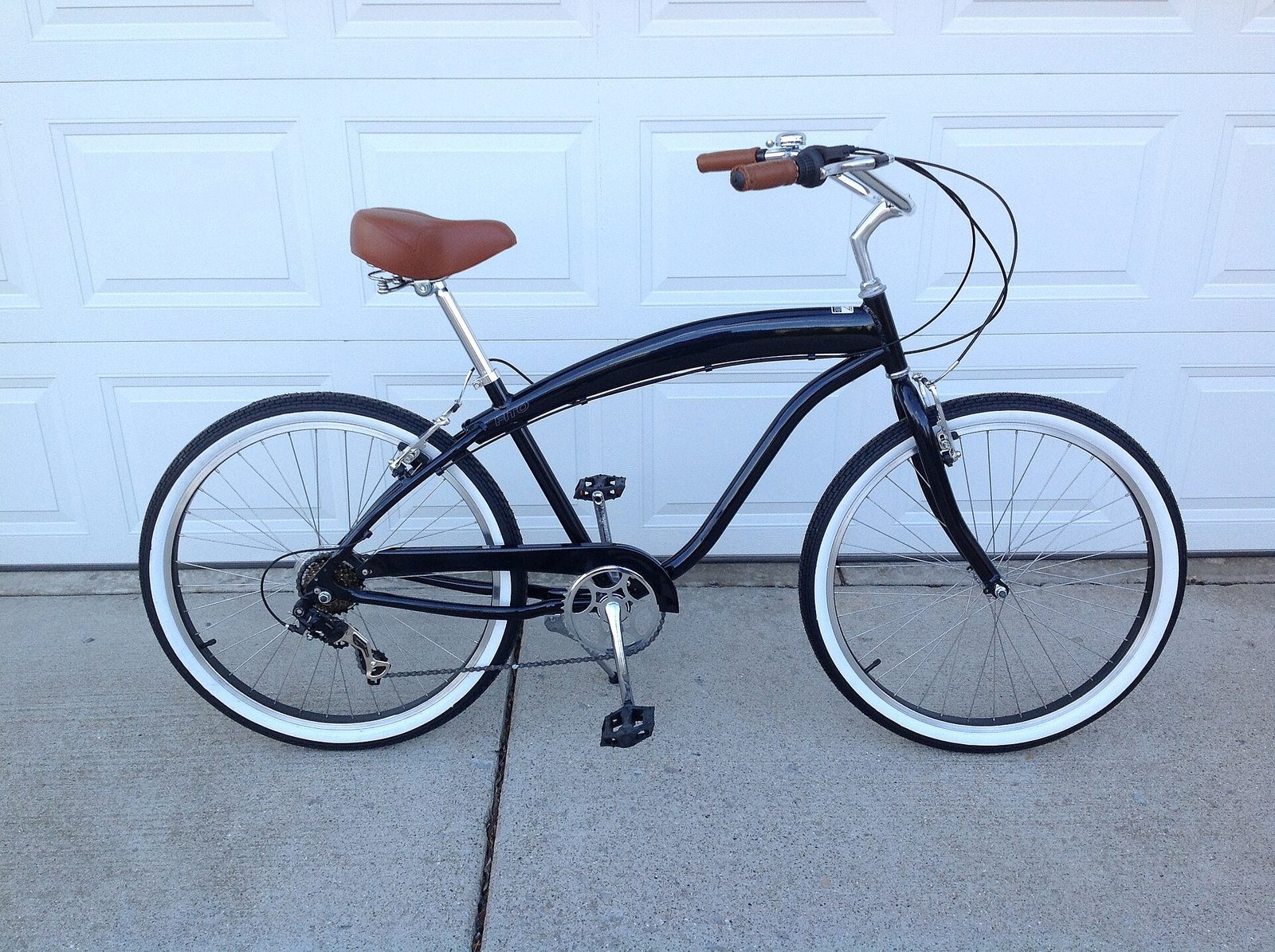
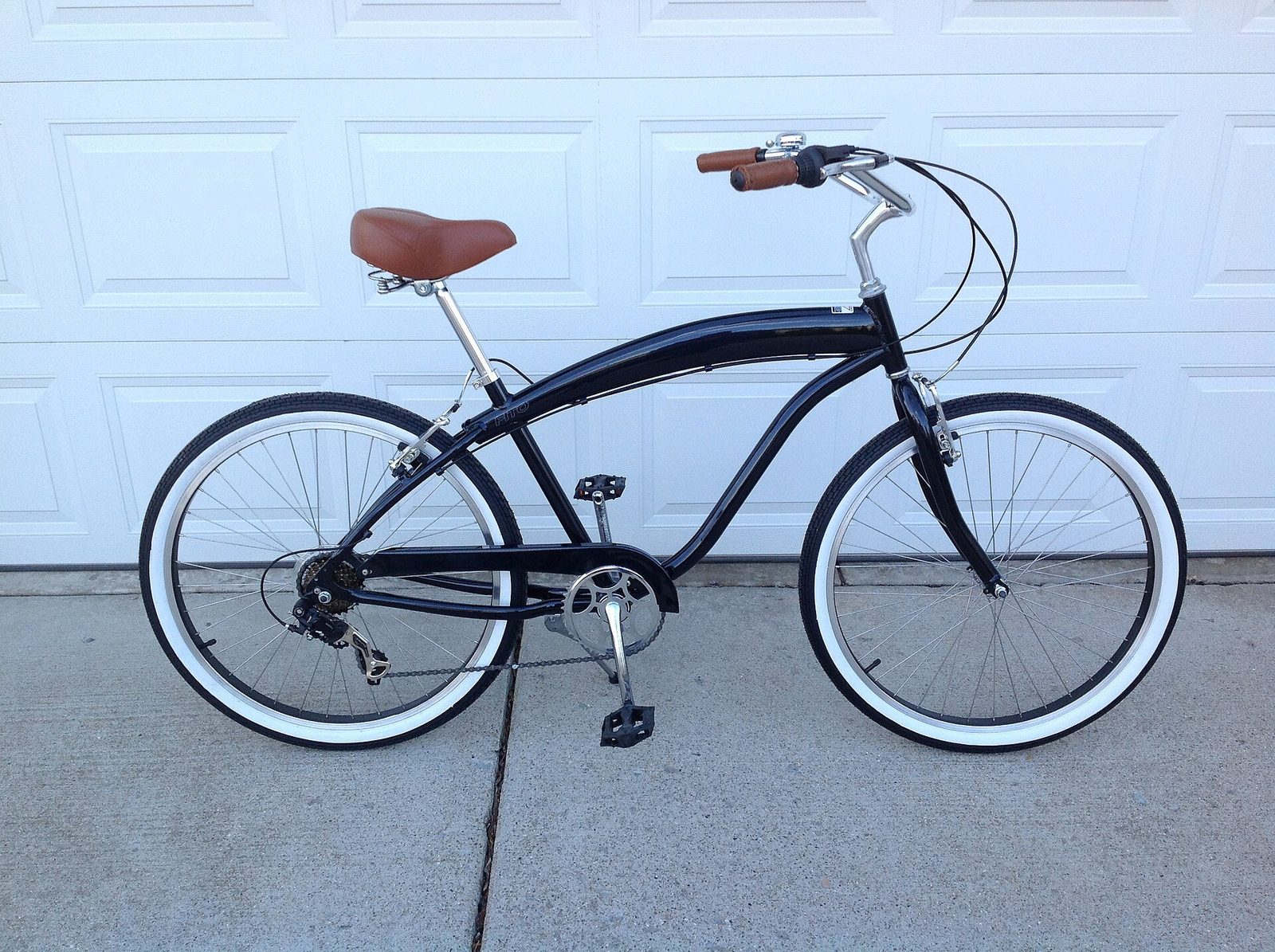
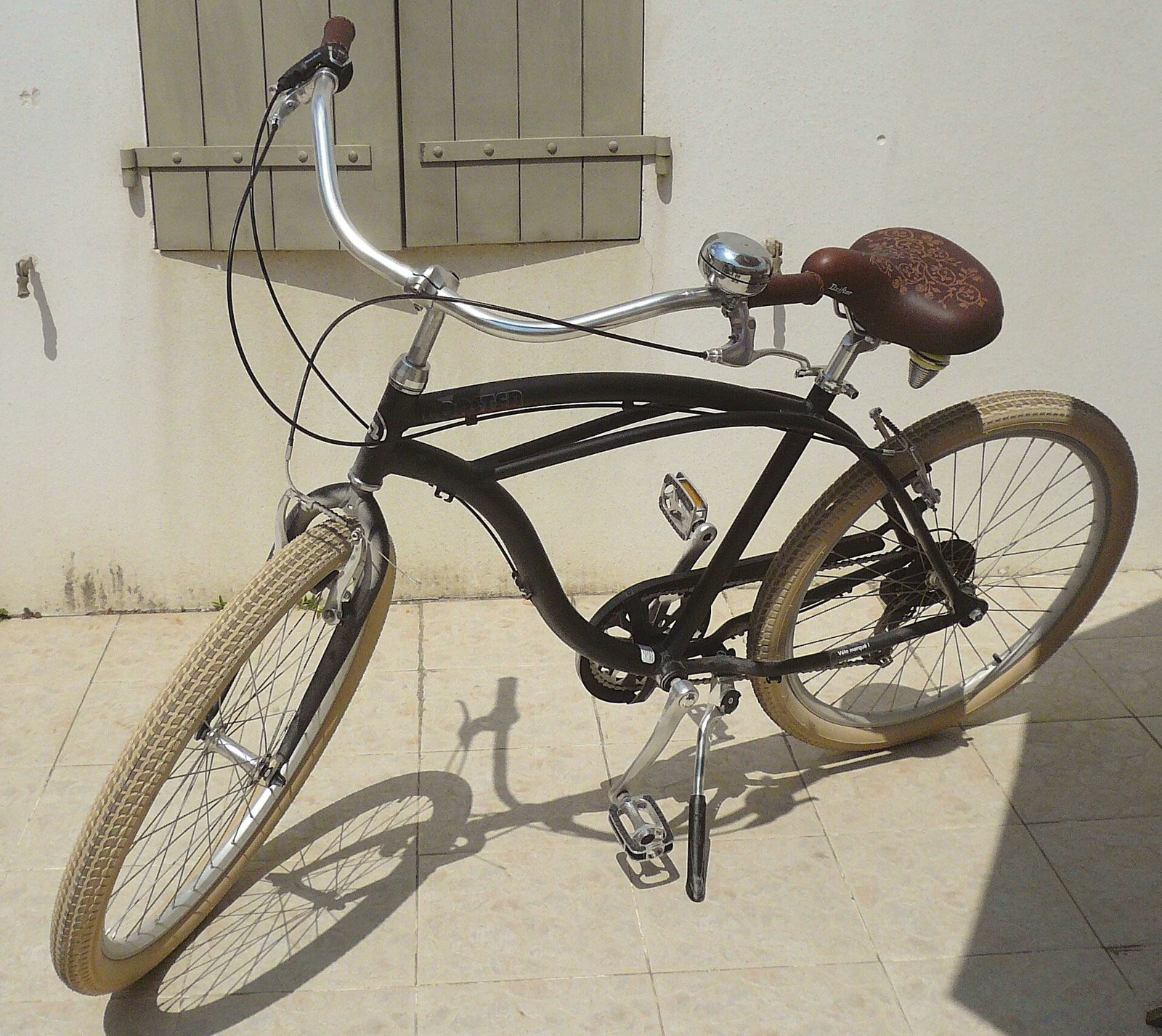
- Handlebars: swept-back "cruiser" or riser bars put you upright, taking weight off wrists and neck. If your hands go numb, the bars — not the saddle — are usually the culprit.
- Saddle: wider isn't automatically better; it must match your sit-bone width. Upright riding positions want wider, cushioned saddles.
- Grips: ergonomic wing grips distribute palm pressure and prevent numbness on longer rides.
- Suspension seatpost: the single best comfort upgrade for rigid e-bikes — takes the edge off potholes and chatter for ~$50–150.
Dial these in before blaming the bike. Most "uncomfortable e-bike" problems are $30 grip or saddle adjustments, not frame problems.
Shop senior-friendly e-bikes
Step-through e-bikes with comfort and confidence built in.
Check Current Price →Frequently asked questions
What age is too old for an e-bike?
There's no age limit — only ability and confidence. Many riders start e-biking in their 70s and 80s. Start with a step-through, practice in a parking lot, and build gradually.
Are e-bikes safe for seniors?
With the right bike and approach, yes — and the health benefits of regular riding are enormous. Take it slow, wear a helmet, and choose quiet routes while learning.
Should seniors get a tricycle e-bike?
E-trikes suit riders with significant balance issues — they're stable but wide, heavy, and handle differently. For most seniors, a step-through two-wheeler with practice is the better ride.