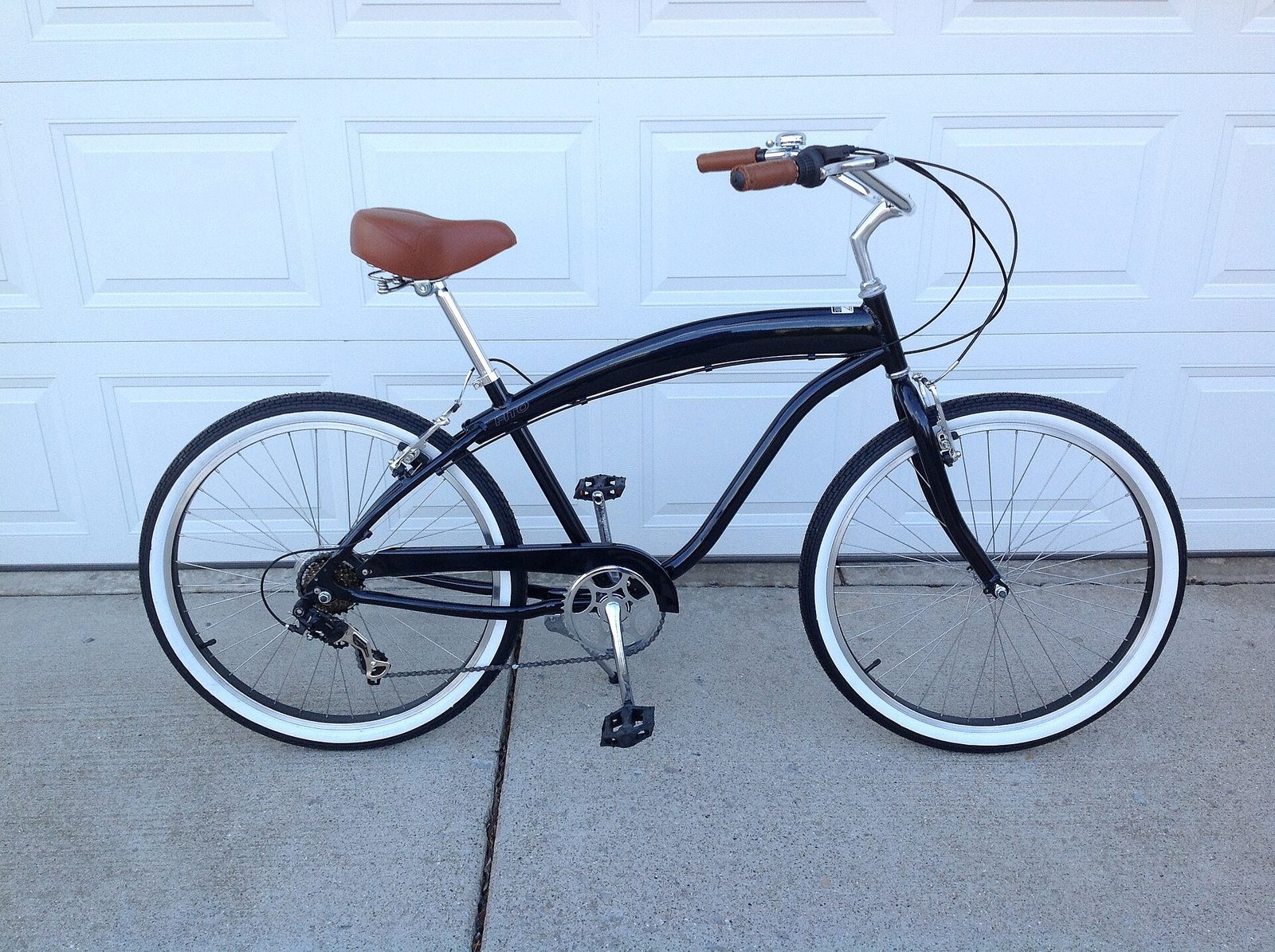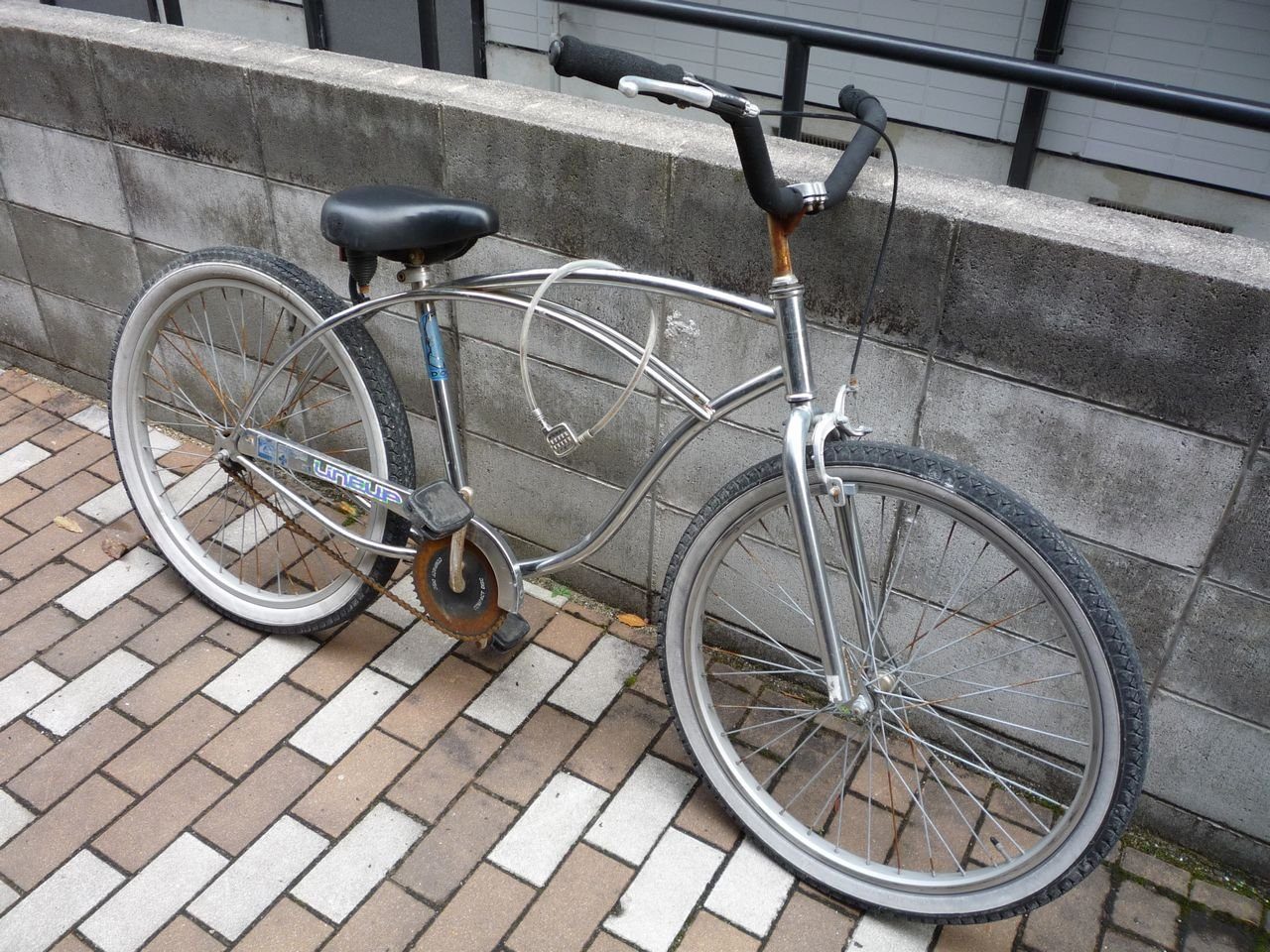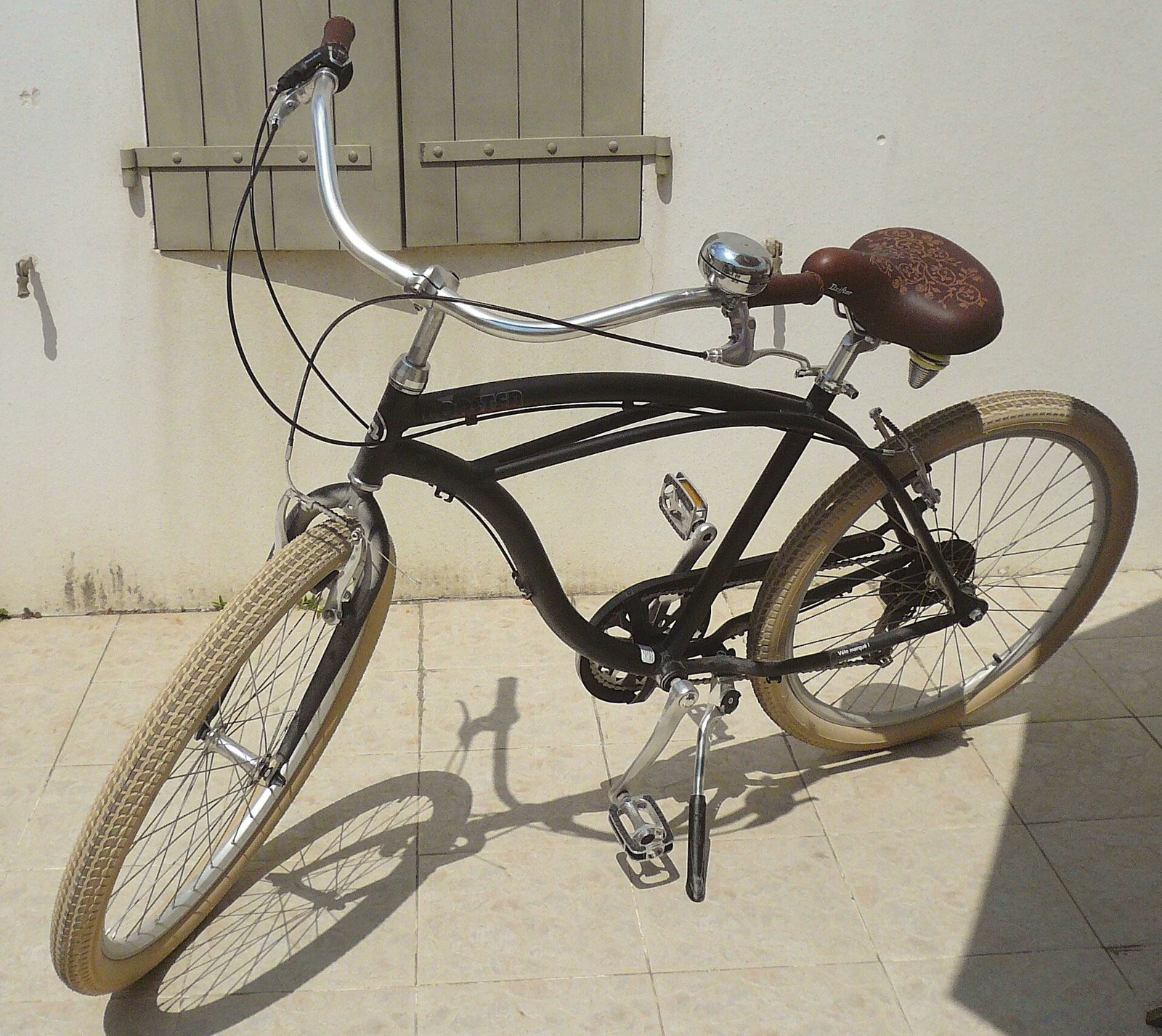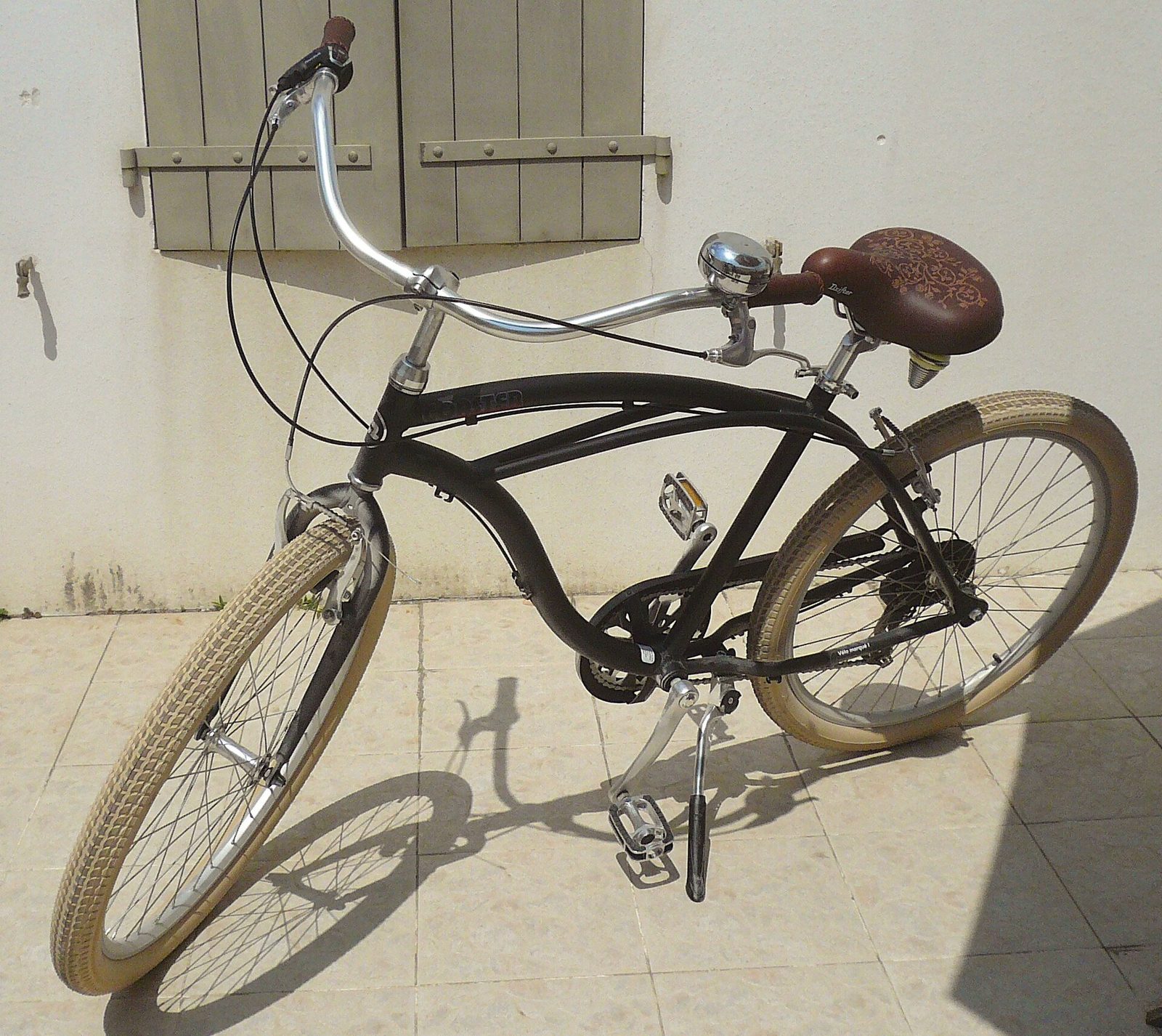
Not medical advice — talk to your doctor or physical therapist about your specific condition. That said, e-bikes help many back-pain sufferers ride comfortably: upright posture, assist that prevents strain, and suspension that absorbs shock. Here's the setup.
The back-friendly formula
- Upright geometry: swept-back bars, high stack — minimal spinal flexion
- Step-through frame: no awkward leg-swing mounting
- Suspension seatpost + fork: absorbs the jolts that aggravate backs
- Wide, cushioned saddle: properly fitted to sit bones
- Moderate assist: let the motor do the straining, not your back
- Shorter rides building up: fitness first, distance second
Comfort ergonomics: bars, saddles, and contact points
Comfort on an e-bike comes from contact points, not marketing:
- Handlebars: swept-back "cruiser" or riser bars put you upright, taking weight off wrists and neck. If your hands go numb, the bars — not the saddle — are usually the culprit.
- Saddle: wider isn't automatically better; it must match your sit-bone width. Upright riding positions want wider, cushioned saddles.
- Grips: ergonomic wing grips distribute palm pressure and prevent numbness on longer rides.
- Suspension seatpost: the single best comfort upgrade for rigid e-bikes — takes the edge off potholes and chatter for ~$50–150.
Dial these in before blaming the bike. Most "uncomfortable e-bike" problems are $30 grip or saddle adjustments, not frame problems.
Affiliate disclosure: VoltPath is reader-supported. When you buy through links on our site we may earn an affiliate commission at no extra cost to you. Learn more.
Frequently asked questions
Is cycling good for back pain?
For many people, yes — low-impact exercise strengthens supporting muscles. But back pain has many causes; get professional guidance for your situation.