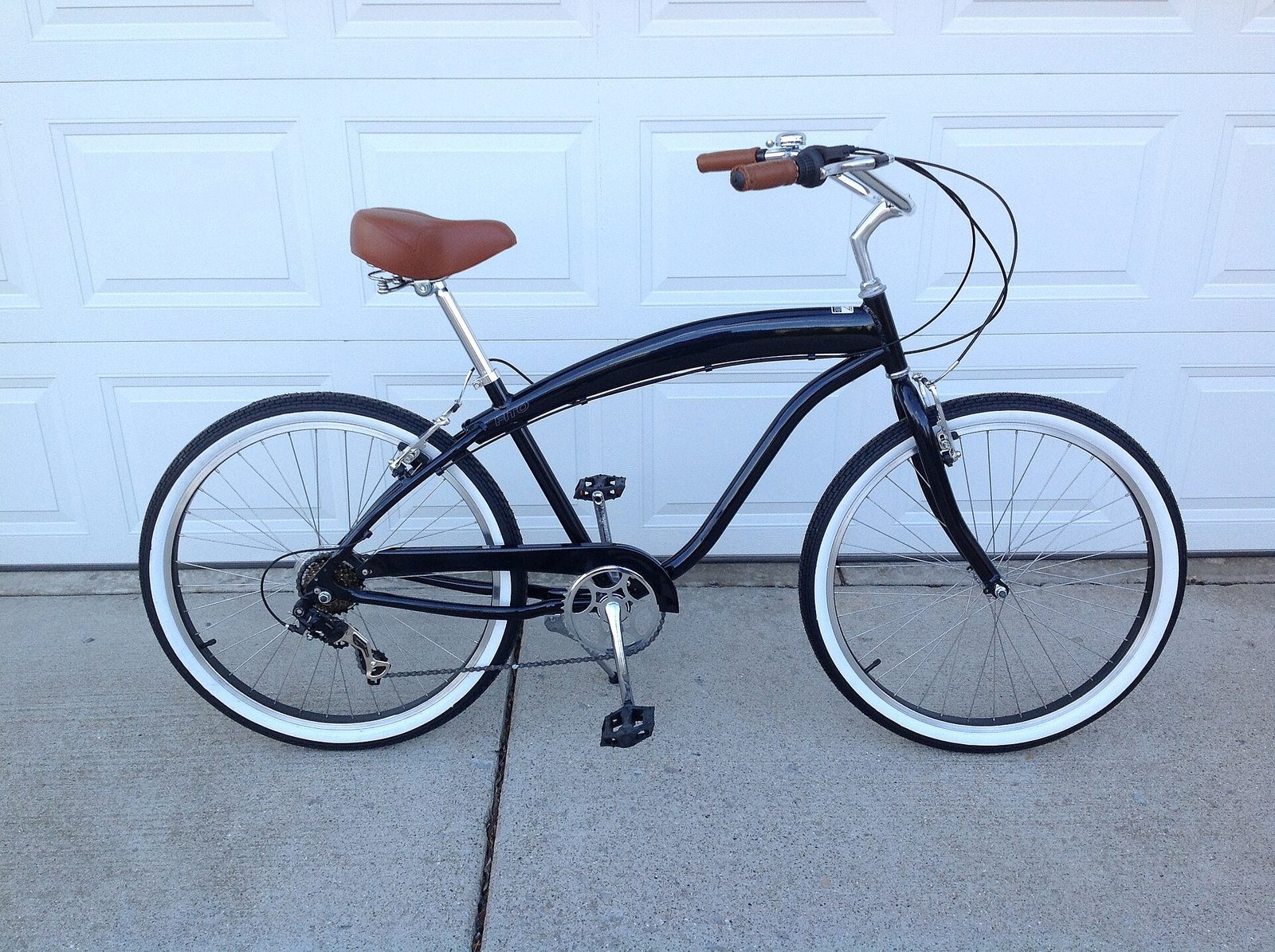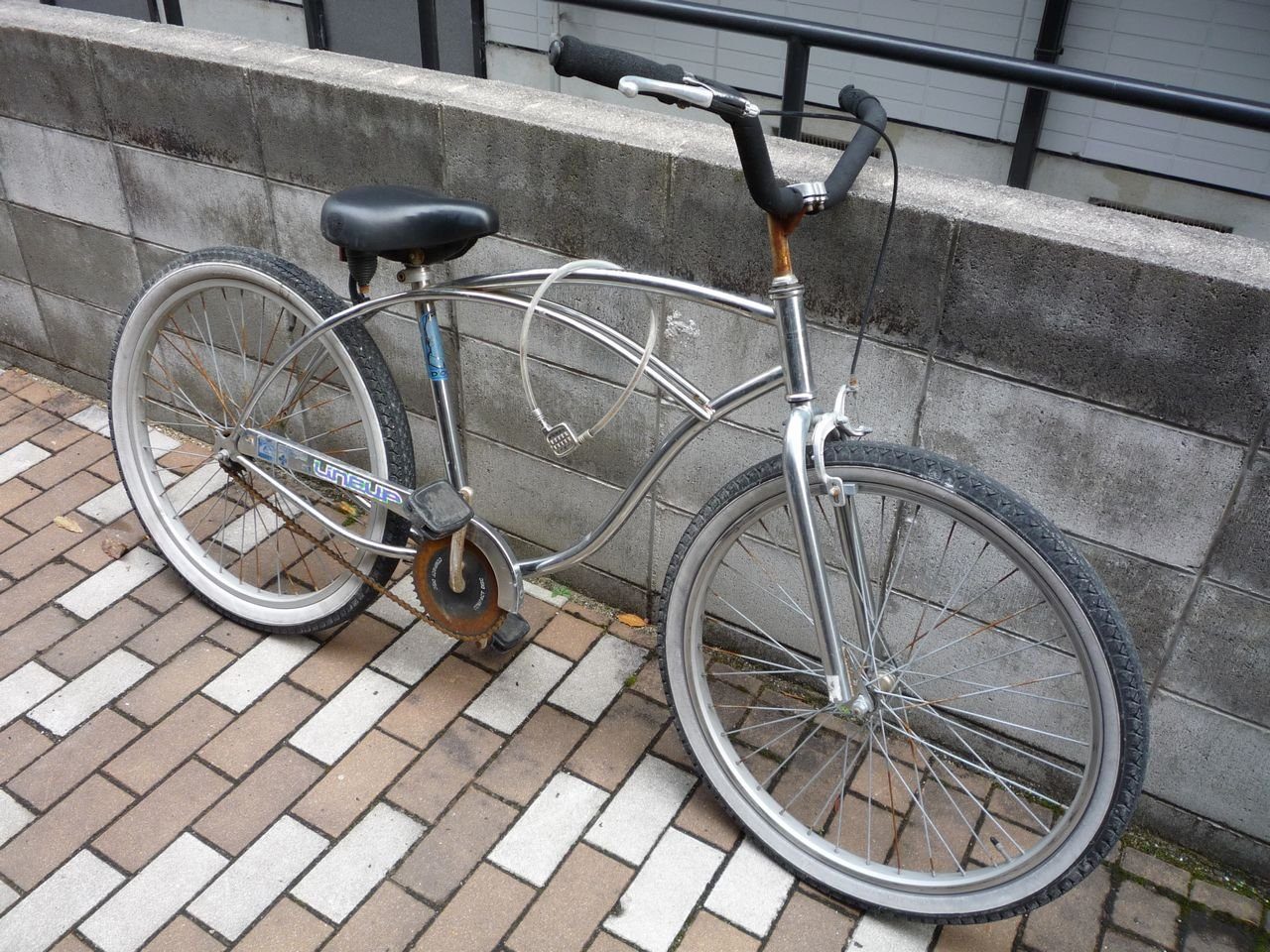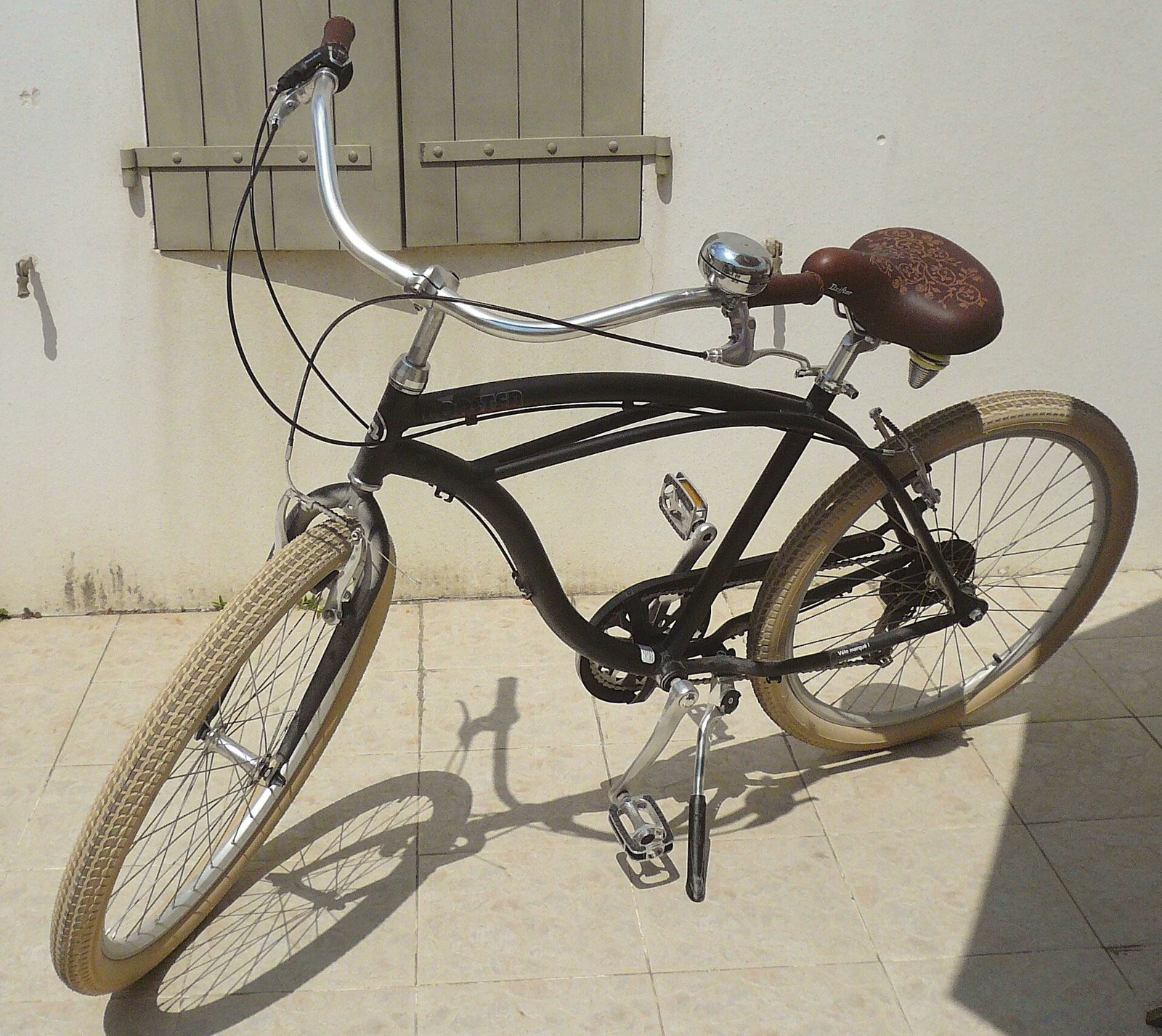
Cruiser shopping is vibes-forward — but a few practical checks separate the delightful from the disappointing.
The cruiser checklist
- Upright geometry: you should see over traffic, not stare at the front axle
- Step-through frame: the cruiser default for good reason
- Comfort saddle + swept bars: stock, not as upgrades
- Smooth assist: torque sensor or well-tuned cadence — jerky power ruins the vibe
- Fenders: cruisers get ridden in real weather
- Quiet motor: gear whir kills the boardwalk serenity
- Range honesty: 400Wh+ for real outings
Torque sensors vs cadence sensors
How the bike decides when to help matters as much as the motor itself. A cadence sensor simply detects that the pedals are turning and switches the motor on at a fixed power level. It's cheap and common on budget e-bikes, but the assistance feels on/off — you get full power even with light pedaling.
A torque sensor measures how hard you're actually pressing the pedals and scales assistance proportionally. Push gently and you get a whisper of help; stand on the pedals and the motor surges with you. It feels like you, only stronger — and it stretches battery range because the motor isn't blasting at full power unnecessarily.
If natural ride feel matters to you, put a torque sensor near the top of your must-have list. It's one of the clearest dividing lines between budget and mid-range e-bikes.
Frequently asked questions
How much should a cruiser e-bike cost?
$1,200–2,500 is the sweet spot. Under $1,000 works for casual use; over $2,500 buys belt drives and premium motors.