'How much can it carry?' has two answers: the rated payload (the legal/engineering limit) and the practical payload (what it's pleasant to haul). Here's both.
How much can a cargo e-bike actually carry?
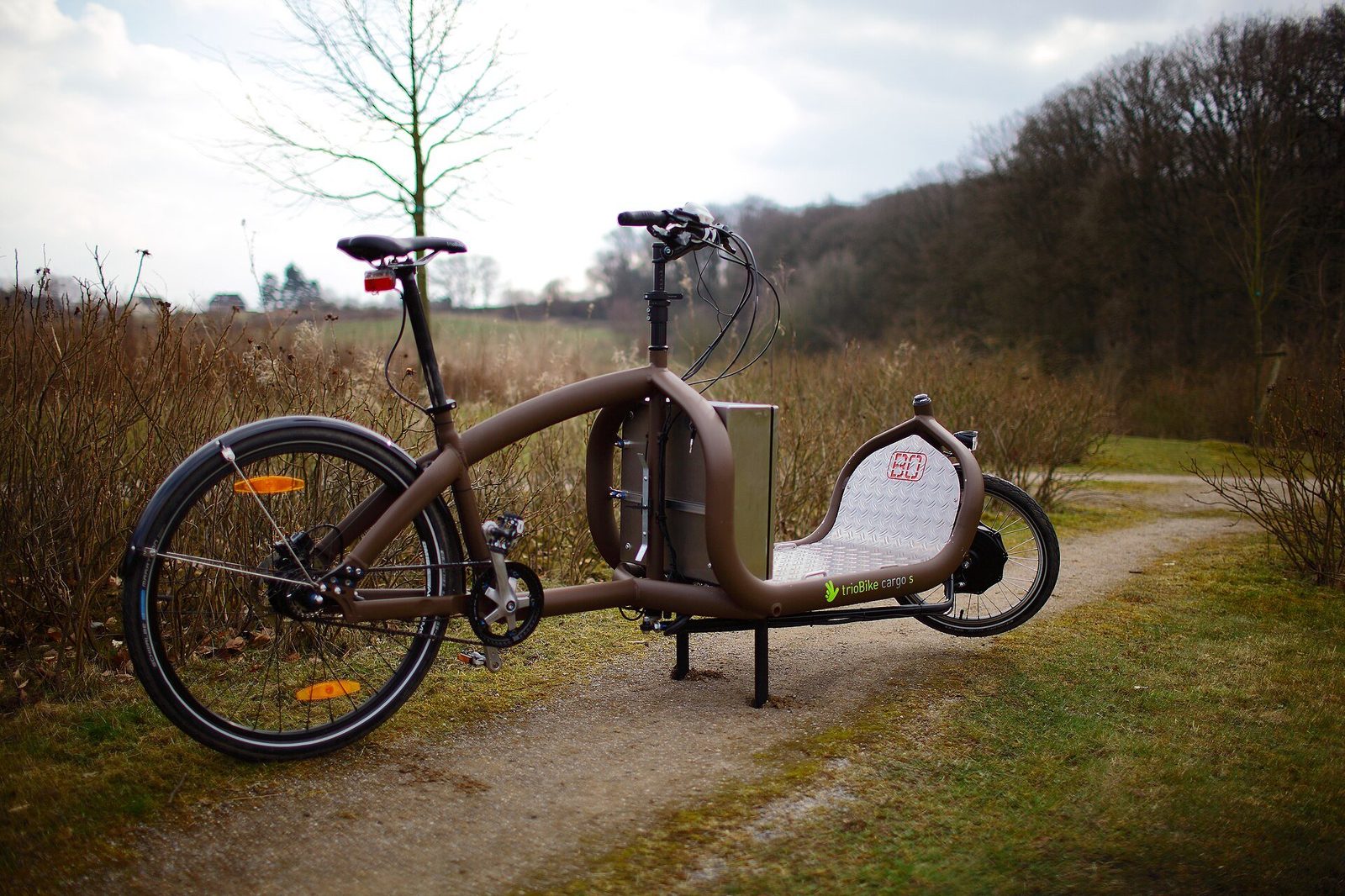
Check two numbers: the rear rack rating and the bike's total maximum payload (rider + cargo + bike weight). Quality longtails typically rate 400+ lbs total payload with 150–200 lbs on the rack; front-loaders can exceed 500 lbs total.
Electric assist is what makes these numbers usable — a strong mid-drive or high-torque hub motor flattens the penalty of heavy loads on hills and starts. But physics still applies: braking distances grow, tire pressure matters more (run max sidewall pressure when loaded), and cheap cargo bikes with vague payload ratings should be treated with suspicion. If the manufacturer won't state a number, that's your answer.
Real-world examples
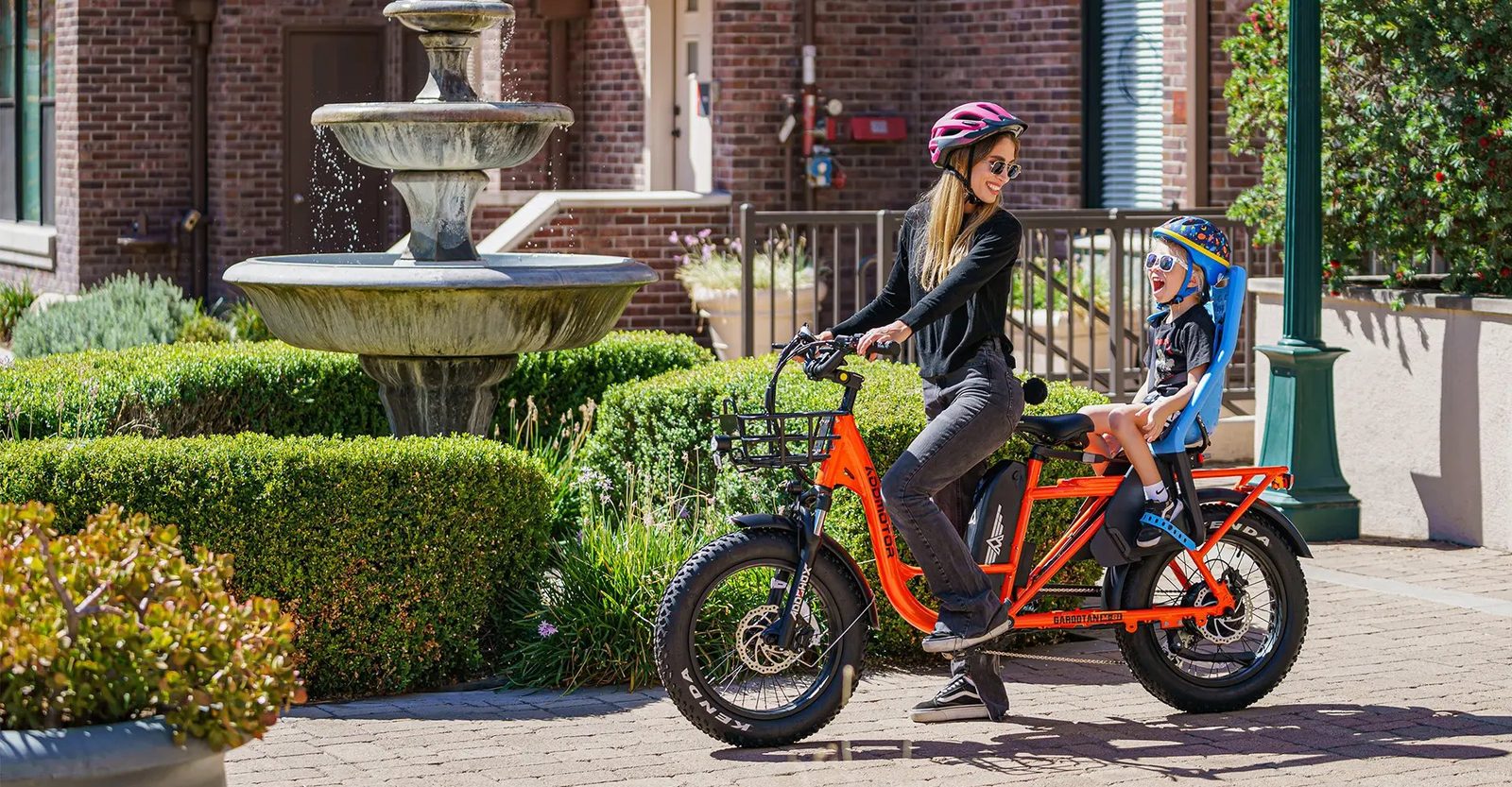
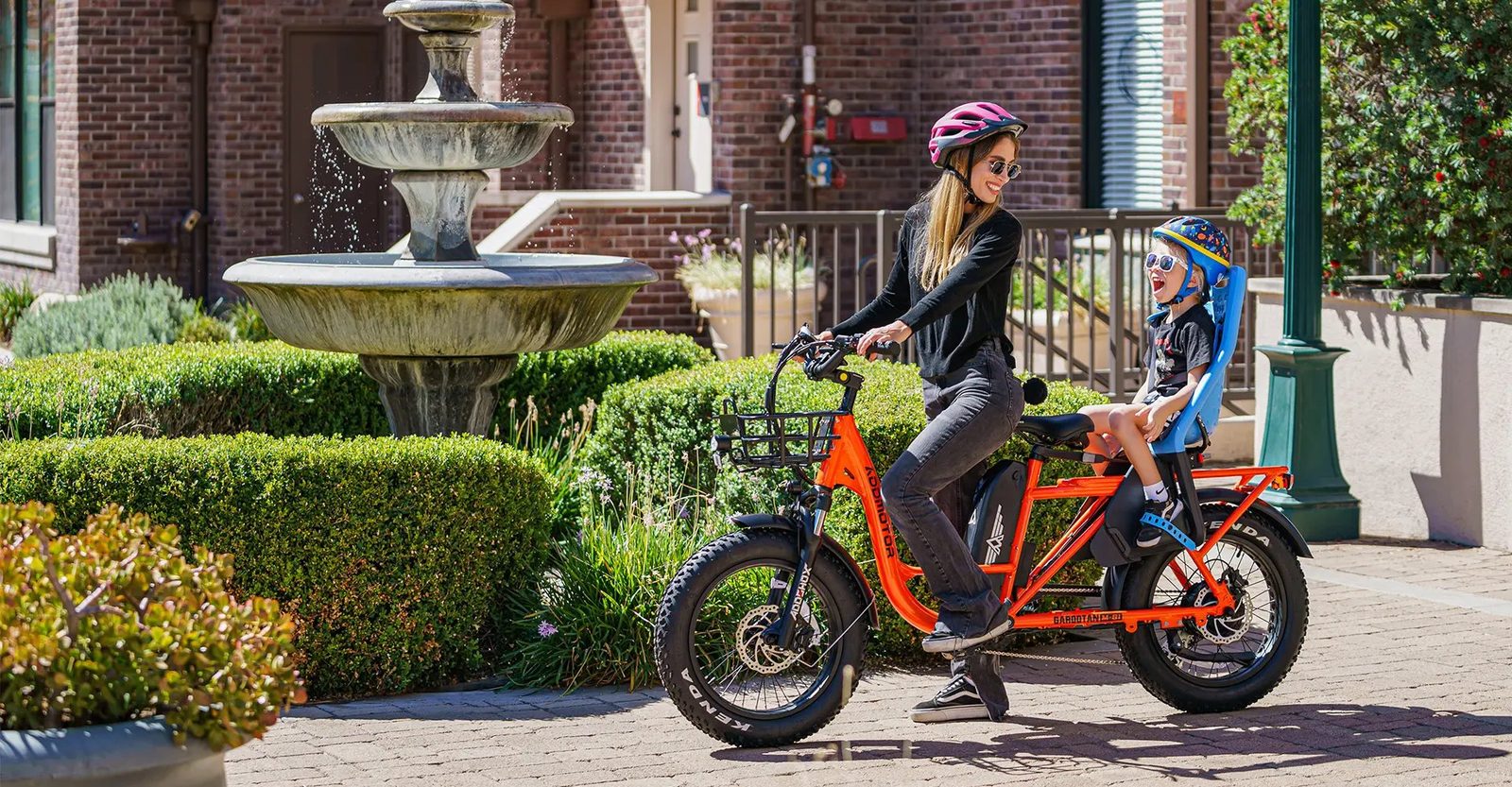
- School run: 2 kids (90 lbs) + backpacks (20 lbs) = 110 lbs — easy for any quality cargo bike
- Weekly groceries: 60–80 lbs — trivial
- Costco run: 150–200 lbs — fine within ratings, noticeable in handling
- Two kids + groceries: 180–220 lbs — front-loader territory for comfort
Remember: rider weight counts too. A 200-lb rider + 150 lbs cargo = 350 lbs before the bike's own 70 lbs. That's why 400+ lb total ratings matter.
Frequently asked questions
What happens if I overload a cargo e-bike?
Handling degrades, braking suffers, and frames/components wear faster — plus warranty voidance. Stay within ratings.