Cargo e-bikes are the most life-changing e-bike category — school runs, grocery hauls, and dog adventures without starting the car. But they're also the most demanding purchase: payload ratings, kid safety, and motor power all matter enormously. These six lead.
- Payload rating is the spec that matters most — verify bike + rider + cargo totals.
- Longtails are the practical family entry; front-loaders haul the most.
- Budget for accessories: kid seats, rails, and covers add $300–800.
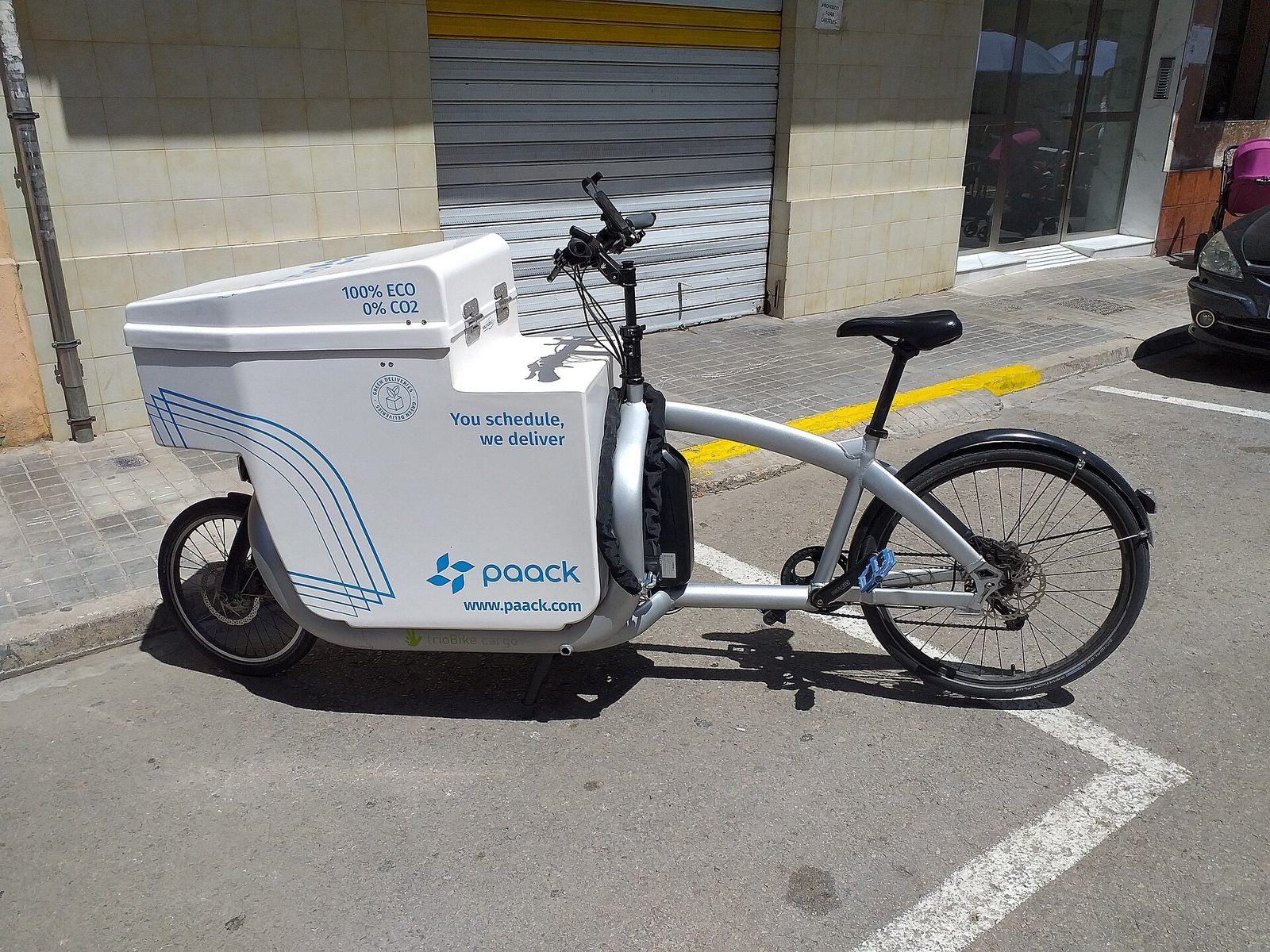
Tern GSD S10 (Gen 3)
463 lb gross capacity, Bosch ABS, Kiox 300 display
$2500+Check Current Price →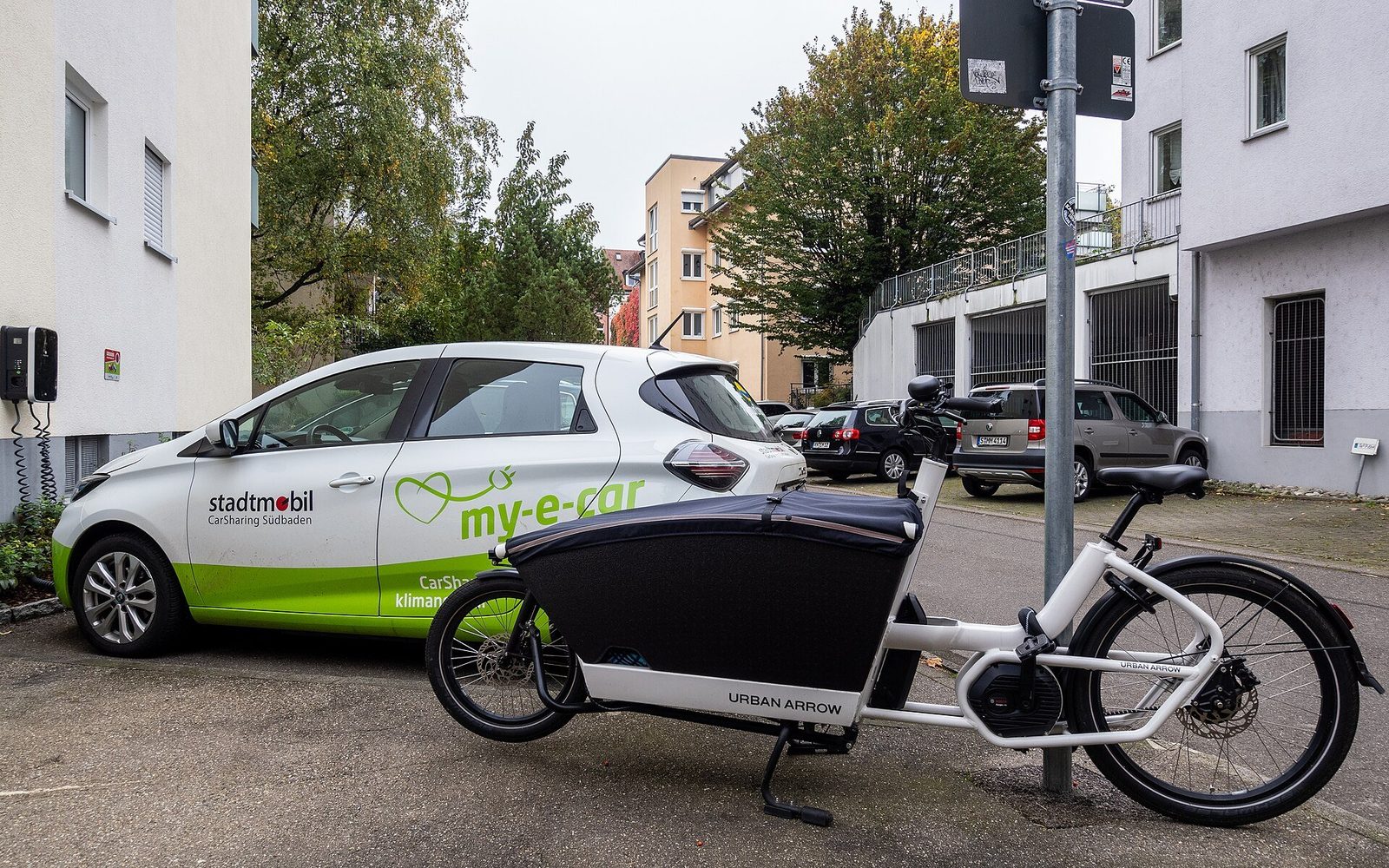
Urban Arrow FamilyNext Advanced
front-loader box, 2 child seats with belts, enviolo hub
$2500+Check Current Price →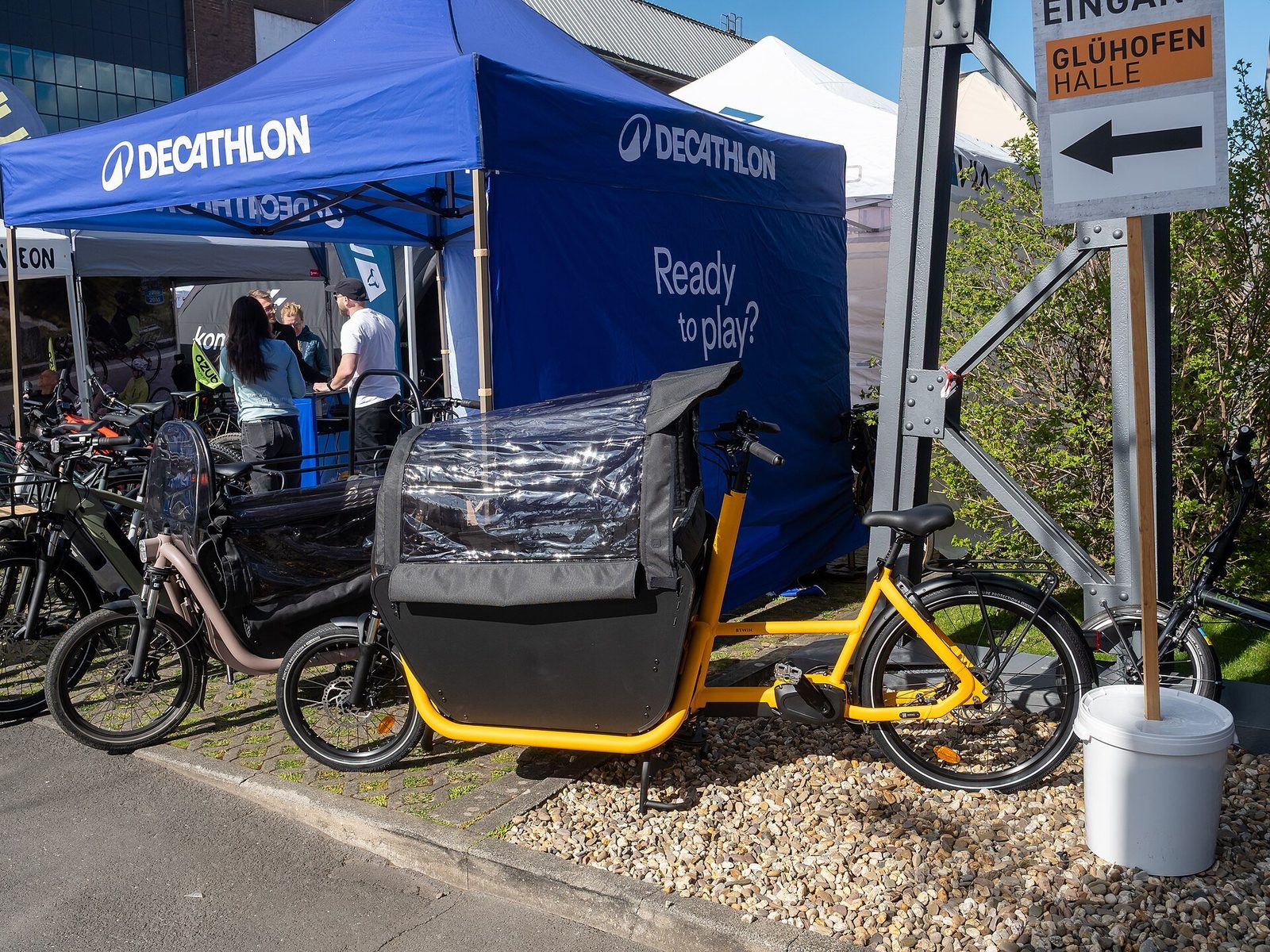
Riese & Müller Load4 60
full suspension, 200kg gross capacity, 60cm cargo box
$2500+Check Current Price →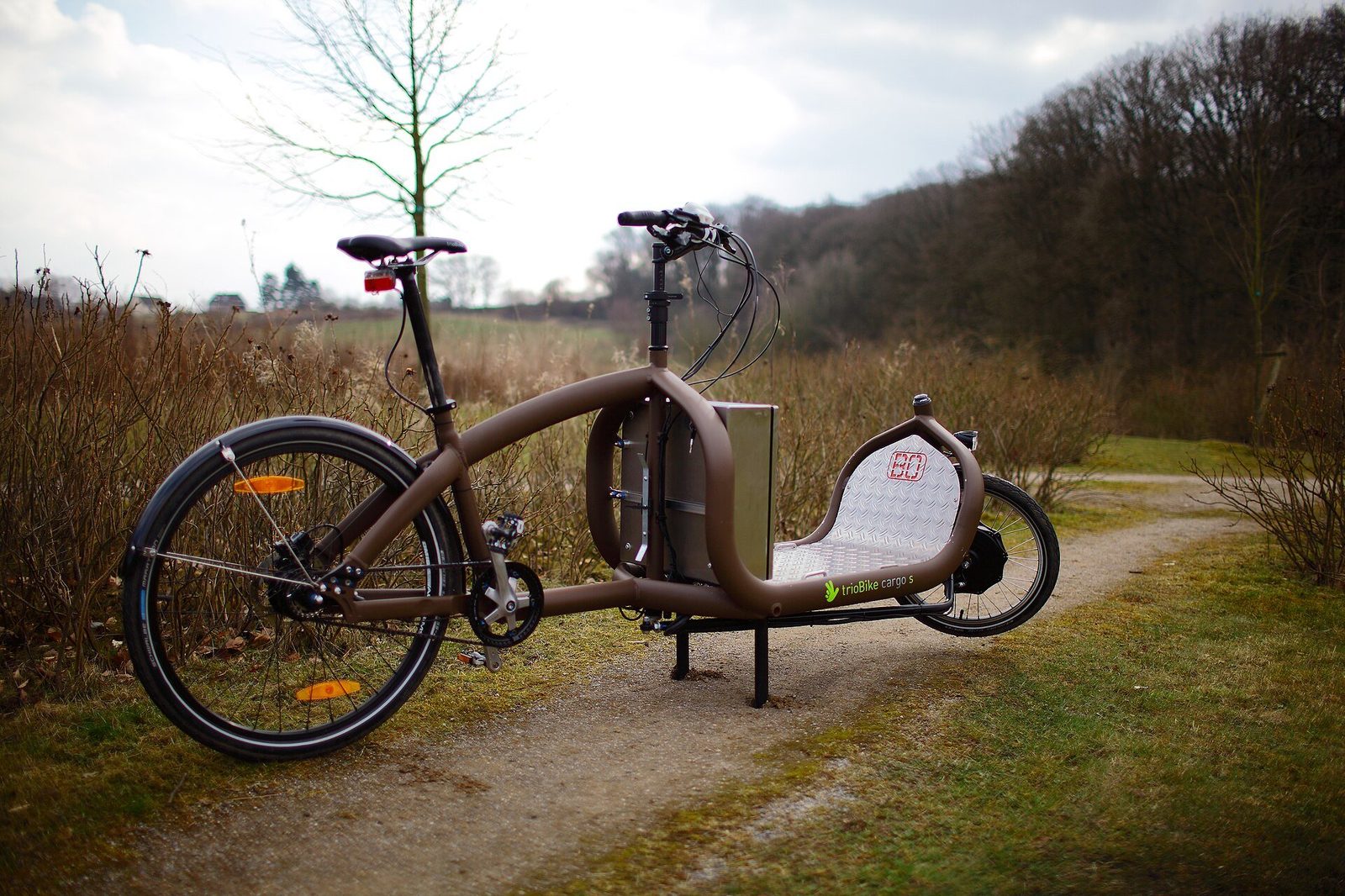
Yuba Spicy Curry V3 All-Terrain
Class 3 28mph, 440 lb capacity, suspension fork
$2500+Check Current Price →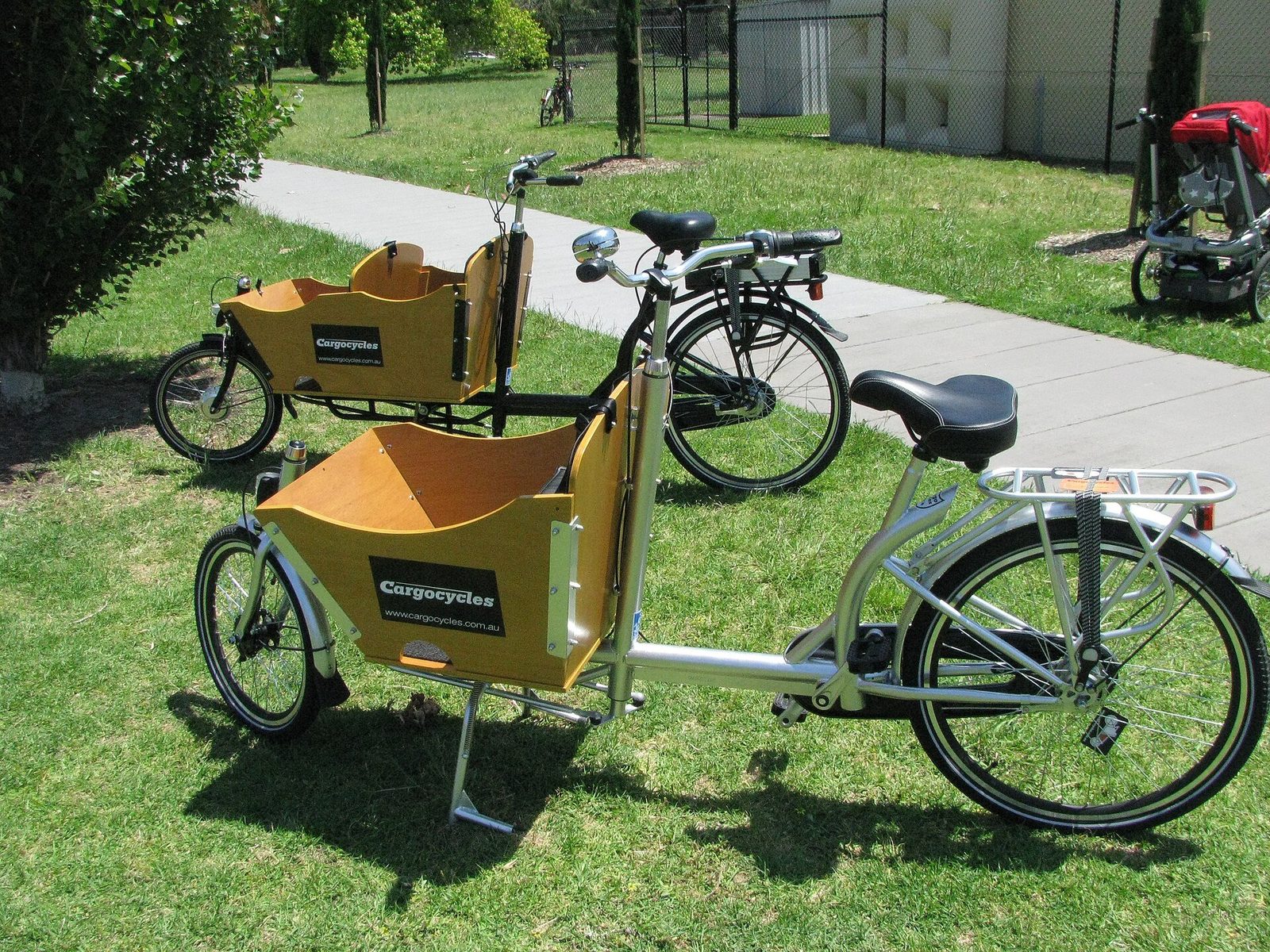
Aventon Abound SR
440 lb payload, 4G/GPS anti-theft, torque sensor
$1500-$2500Check Current Price →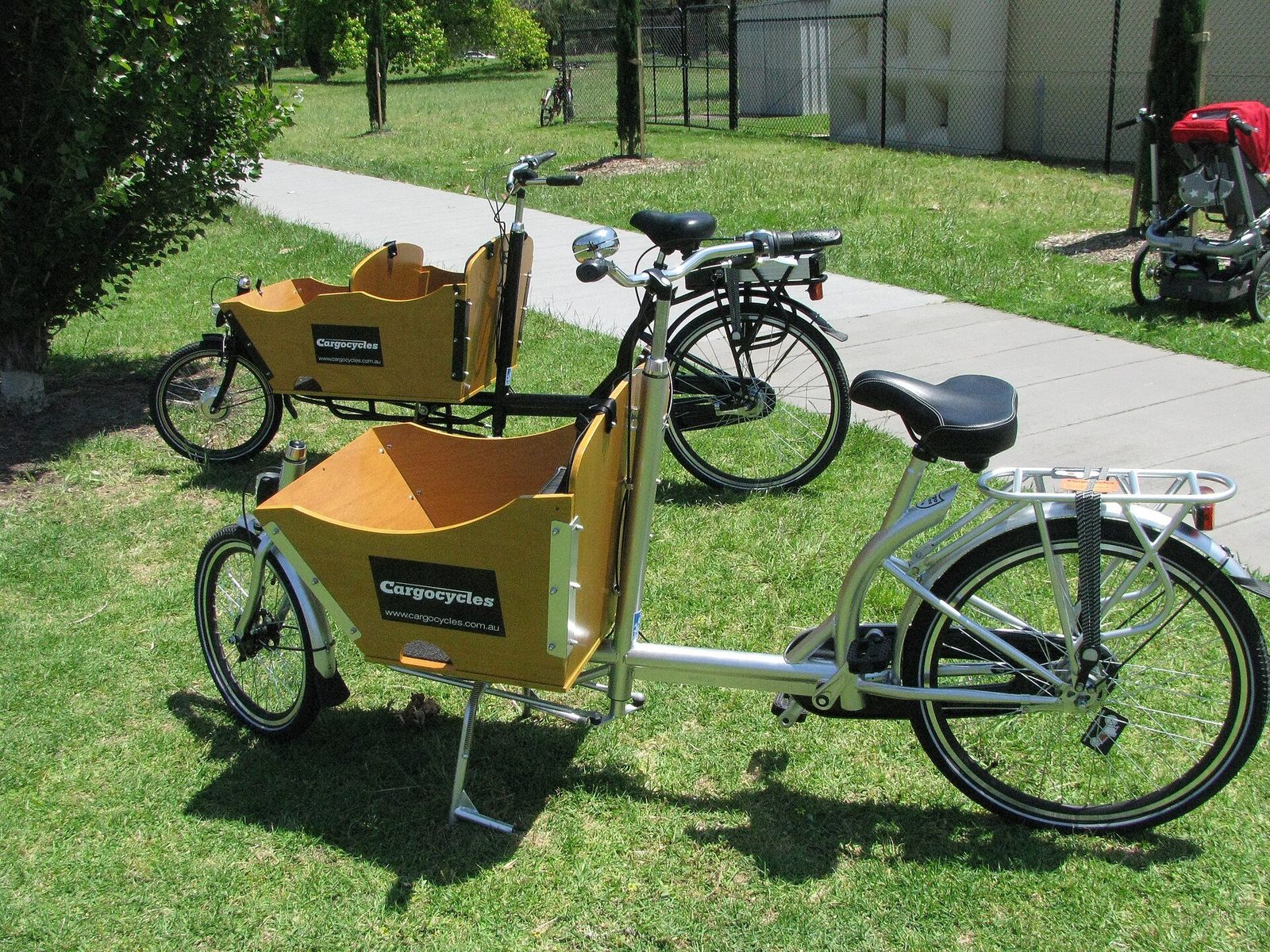
Lectric XPedition 2.0
450 lb payload, dual-battery option to 170 mi, torque sensor
$1000-$1500Check Current Price →How we chose
We prioritized verified payload ratings (no vague claims), kid-hauling accessory ecosystems, strong motors (loaded climbing is the test), and stable geometry. Every pick is a real, currently-sold model.
Longtail vs front-loader cargo bikes
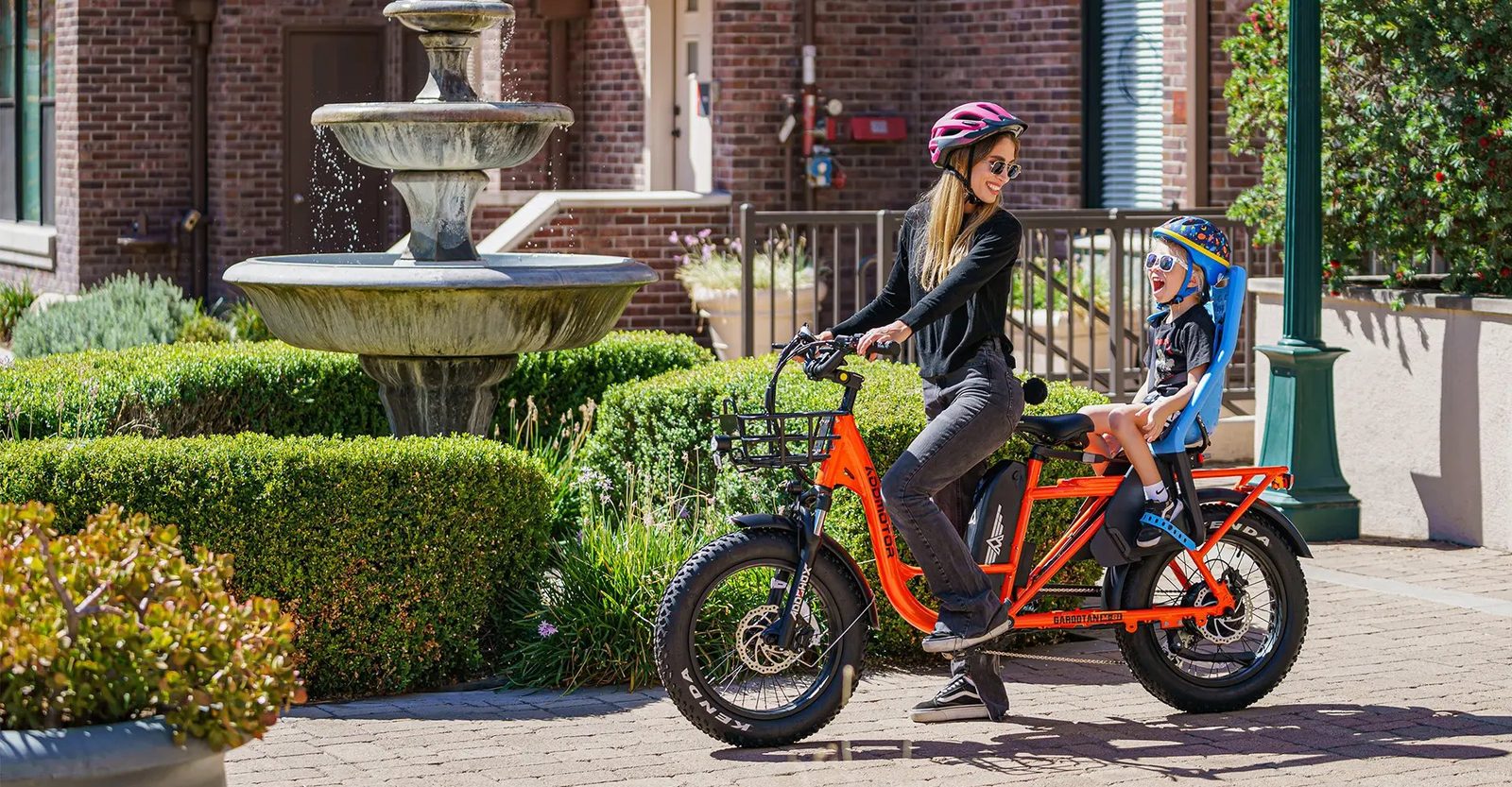
Longtails extend the rear rack to carry kids or cargo behind the rider. They handle like a slightly long regular bike, fit standard bike infrastructure better, and cost less ($1,500–$3,500). The trade-off: the load is behind you, out of sight.
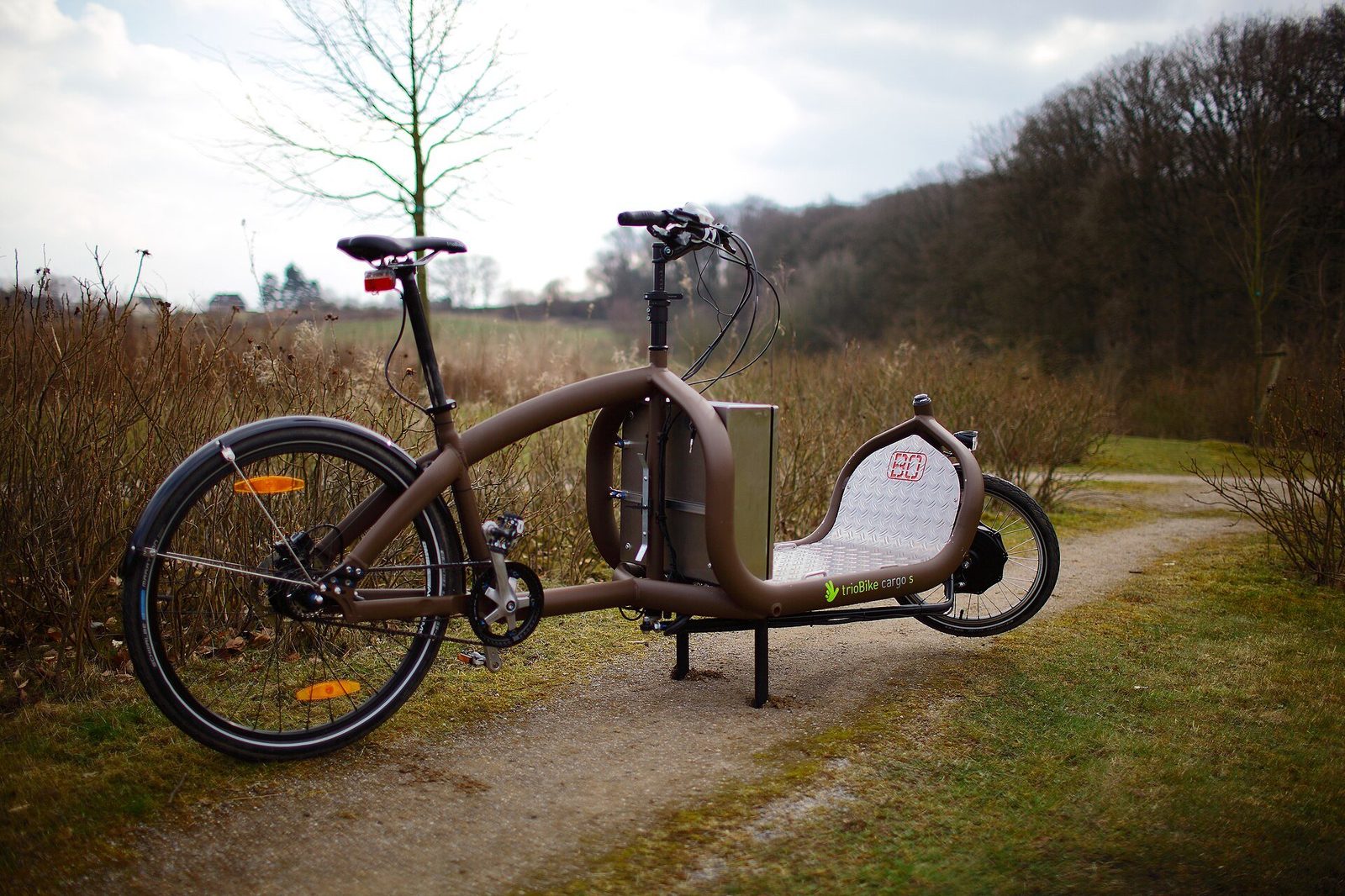
Front-loaders (bakfiets/box bikes) put a big box between the rider and the front wheel. The load is visible, weight sits low for excellent stability, and capacity is huge — but they're long, heavy, expensive ($3,500–$7,000+), and need more storage space.
For most families replacing a second car, a longtail is the practical entry point. Front-loaders win when you're hauling serious volume — daycare runs with three kids, or actual delivery work.
How much can a cargo e-bike actually carry?
Check two numbers: the rear rack rating and the bike's total maximum payload (rider + cargo + bike weight). Quality longtails typically rate 400+ lbs total payload with 150–200 lbs on the rack; front-loaders can exceed 500 lbs total.
Electric assist is what makes these numbers usable — a strong mid-drive or high-torque hub motor flattens the penalty of heavy loads on hills and starts. But physics still applies: braking distances grow, tire pressure matters more (run max sidewall pressure when loaded), and cheap cargo bikes with vague payload ratings should be treated with suspicion. If the manufacturer won't state a number, that's your answer.
The true cost of a cargo e-bike
The bike is the down payment. Budget $300–800 more for: kid seats ($100–250 each), safety rails, rain covers, panniers/bags, a double-leg kickstand upgrade, and a serious lock. It's still 1/10th the cost of a second car.
Frequently asked questions
Can a cargo e-bike replace a car?
For households with school runs and errands within ~10 miles, frequently yes. The families who succeed go all-in: rain gear, kid seats, and a routine.
How much weight can a cargo e-bike carry?
Quality longtails: 400+ lbs total payload. Front-loaders: 500+ lbs. Always verify the manufacturer's rating — and respect it.
Are cargo e-bikes hard to ride?
Longtails handle like a long regular bike — most riders adapt in a day. Front-loaders feel different (steering the box) and take a week. Practice unloaded first.