A loaded cargo e-bike handles nothing like a regular bike. The physics are different, the stakes are higher (often kids), and the strategy must adapt. Here's the safety playbook.
On this page
Handling a loaded cargo bike
- Braking distances double (or more) loaded — brake early, both brakes, weight back
- Low-speed balance is the crux — practice starts, stops, and tight turns unloaded, then loaded
- Flat-foot at stops: lower the saddle until you can plant both feet
- Hills: loaded climbing needs low gears + high assist; walk what you can't climb confidently
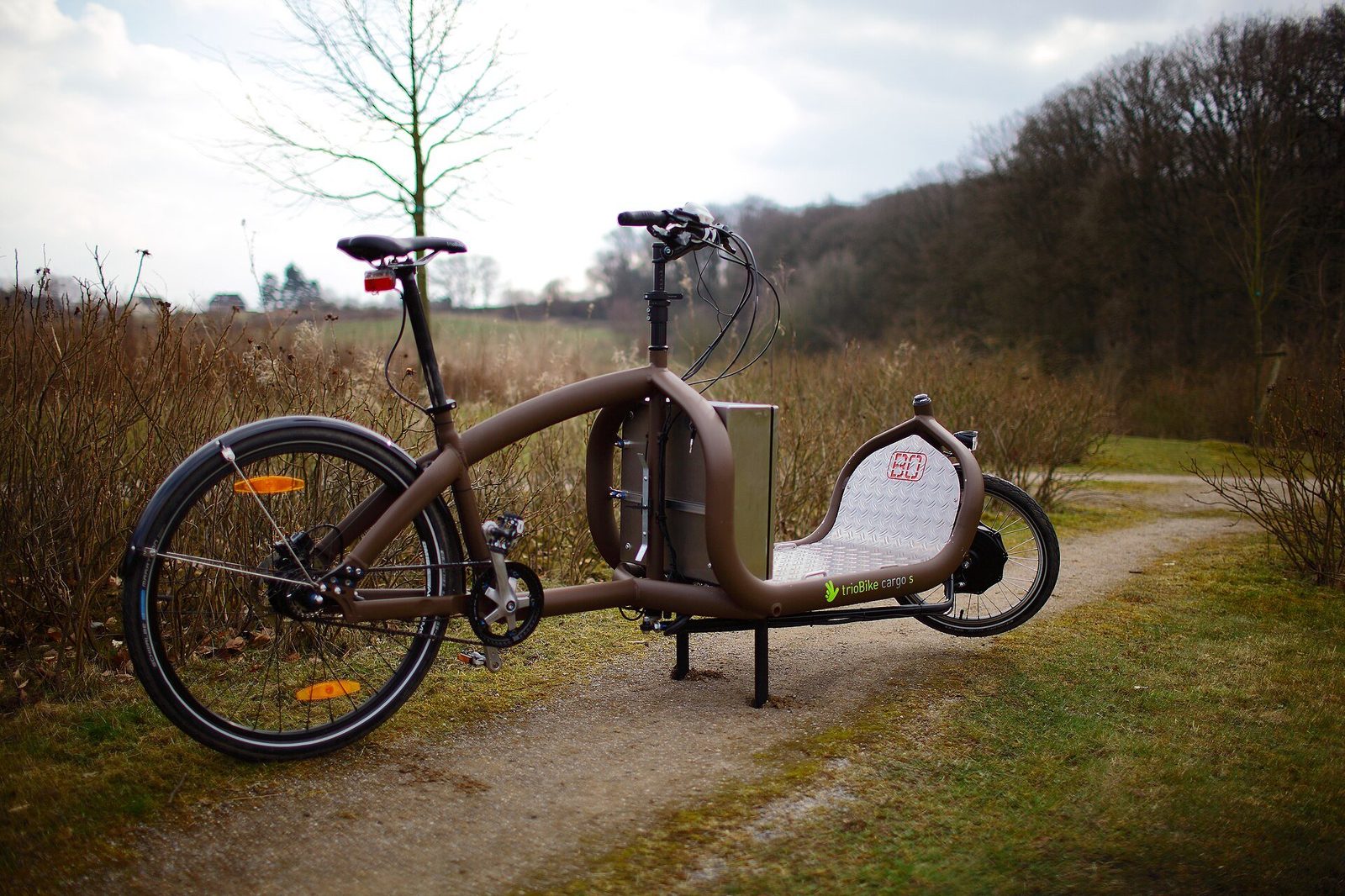
- Wind: front-loader boxes are sails — expect gusts to push you
Traffic strategy
Take the lane when needed — a 7-foot bike squeezed into a gutter is more dangerous than a confident lane position. Be hyper-visible: daytime running lights, bright colors, reflective kid gear. Route choice beats bravery: the quiet 12-minute route beats the scary 9-minute one, every time.
Hauling kids on a cargo e-bike: safety essentials
Cargo e-bikes are fantastic family vehicles — with the right precautions:
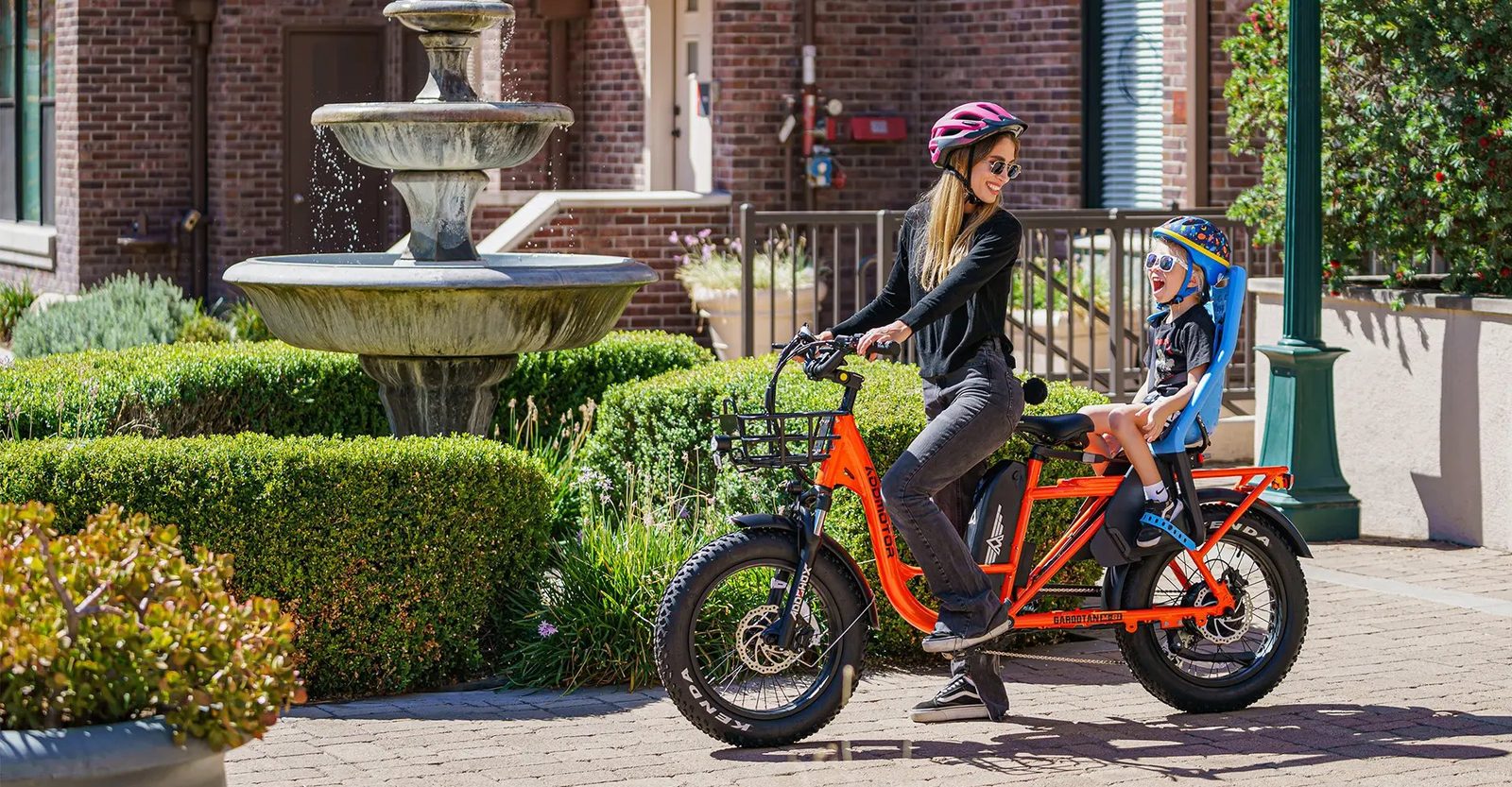
- Use proper child seats with harnesses rated for the bike; never improvise with a regular rack and hope.
- Kids wear helmets, always. Most manufacturers set a minimum age around 1 year (with neck control) for bike seats — check yours.
- Respect the maximum payload (bike + rider + kids + gear). Overloading wrecks handling and brakes.
- Practice loaded handling in an empty parking lot first — a 100-lb kid shifts the center of gravity dramatically.
- Lower the seat so you can flat-foot at stops, and use the kickstand religiously when loading (double-leg stands are worth it).
- Assume you're invisible to cars: lights, bright clothing, and defensive lane positioning.
Affiliate disclosure: VoltPath is reader-supported. When you buy through links on our site we may earn an affiliate commission at no extra cost to you. Learn more.
Frequently asked questions
Are cargo e-bikes safe in traffic?
With proper technique, yes — their visibility and stability are advantages. The keys are lane positioning, lighting, and route choice.