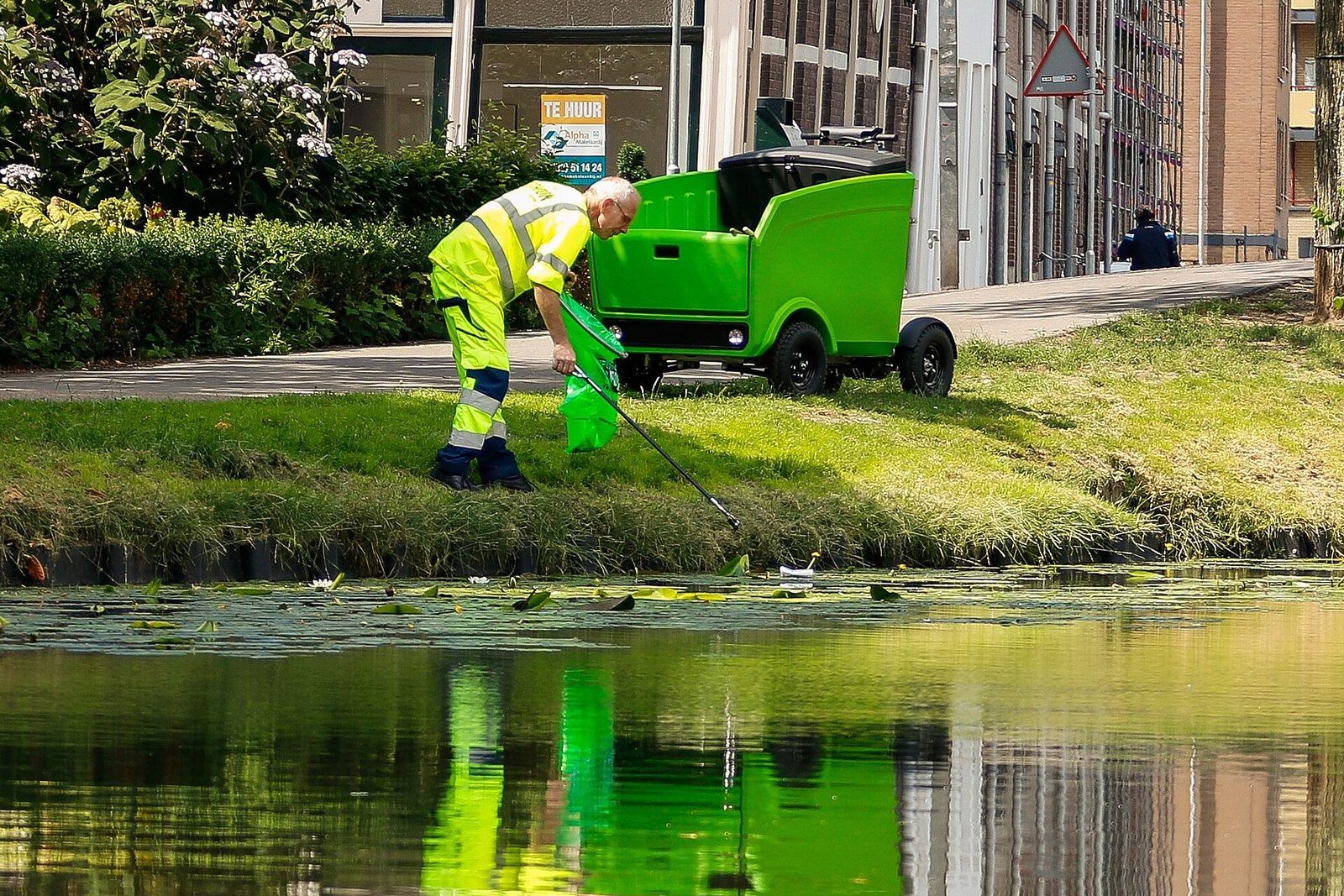
For urban last-mile delivery, cargo e-bikes beat vans on cost, speed, and parking — no fuel, no parking tickets, bike-lane access. Here's the business case.
The business math
A delivery van costs $8,000–12,000/year to run (fuel, insurance, maintenance, depreciation). A cargo e-bike: $500–1,000/year (tires, brake pads, eventual battery). Even at $5,000 upfront, payback lands in months for daily urban routes. Plus: no parking tickets, no congestion charges in many cities, and access to bike lanes that vans can't use.
What businesses need
- Payload: 400+ lbs total for serious loads
- Reliability: dealer support or in-house mechanic — downtime is lost revenue
- Weather protection: covered boxes for goods
- Security: serious locks + insurance; these are business assets
- Regulations: check commercial vehicle/bike rules in your city — some require business licensing
How much can a cargo e-bike actually carry?
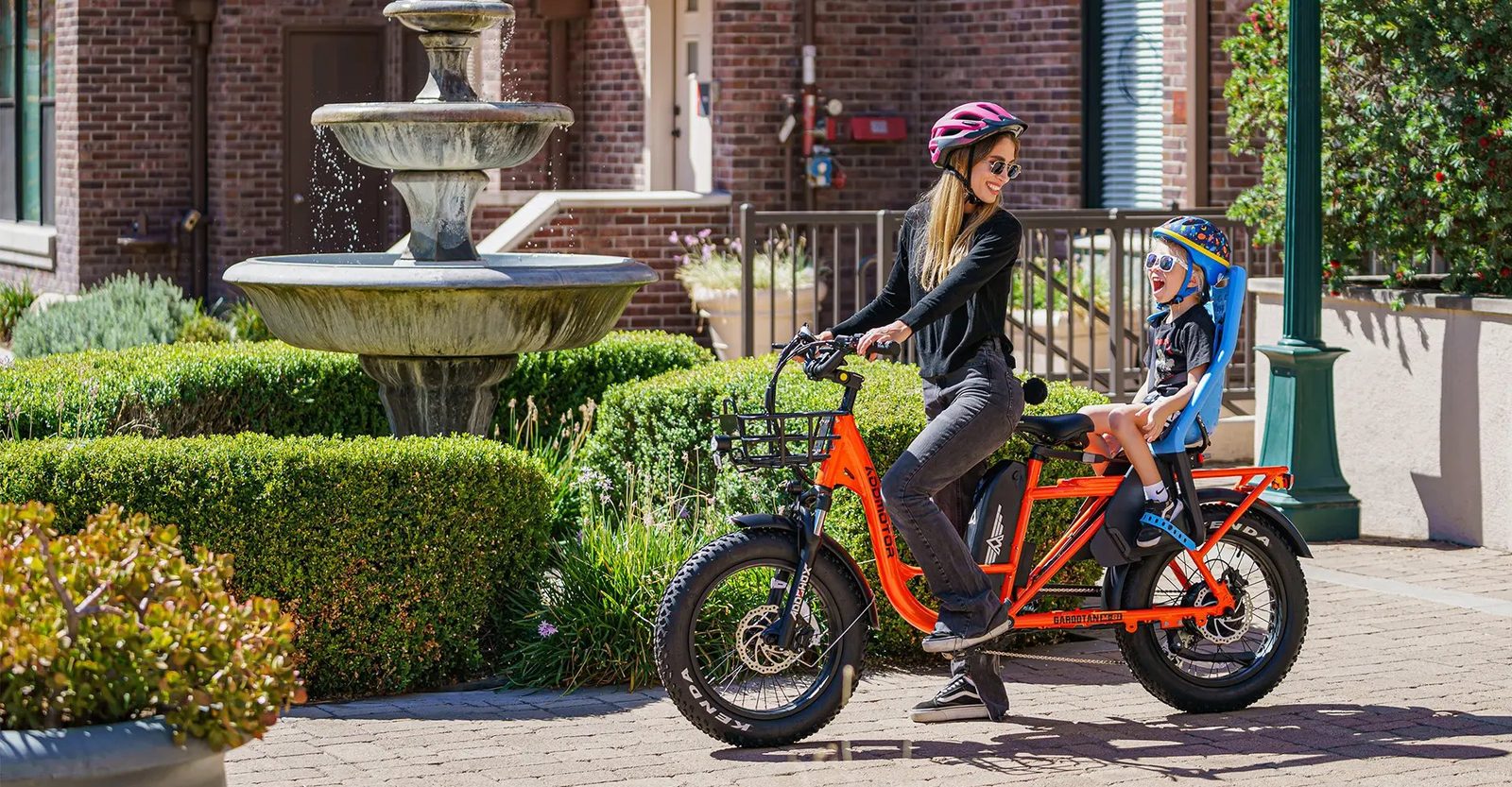
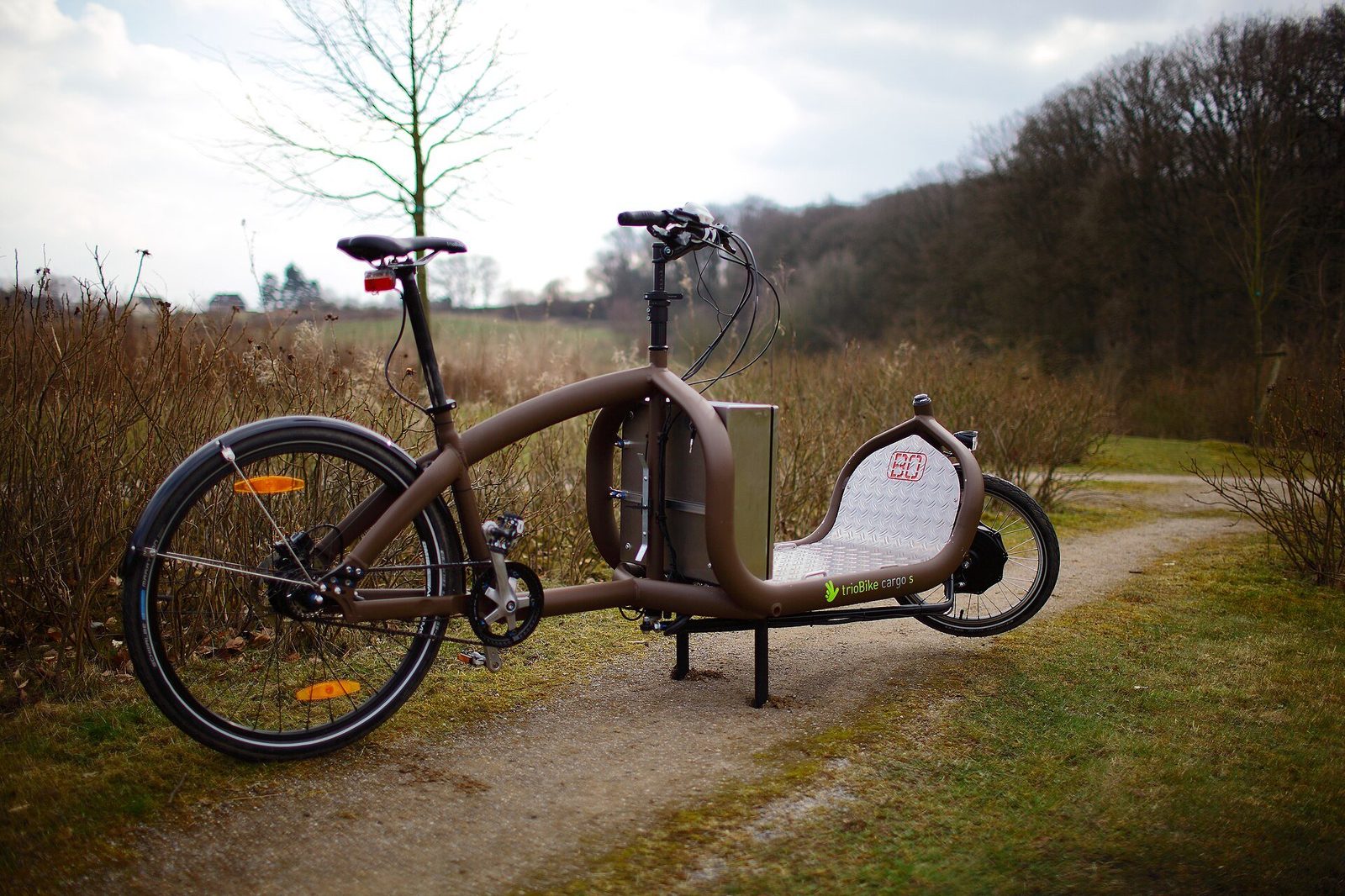
Check two numbers: the rear rack rating and the bike's total maximum payload (rider + cargo + bike weight). Quality longtails typically rate 400+ lbs total payload with 150–200 lbs on the rack; front-loaders can exceed 500 lbs total.
Electric assist is what makes these numbers usable — a strong mid-drive or high-torque hub motor flattens the penalty of heavy loads on hills and starts. But physics still applies: braking distances grow, tire pressure matters more (run max sidewall pressure when loaded), and cheap cargo bikes with vague payload ratings should be treated with suspicion. If the manufacturer won't state a number, that's your answer.
Frequently asked questions
Do I need a license for commercial e-bike delivery?
Usually no driver's license for Class 1–3 e-bikes, but cities may require business licenses. Check local commercial regulations.
How much can a delivery e-bike carry per trip?
Front-loaders: 150–250 lbs of cargo per trip plus rider. Route density matters more than per-trip max.