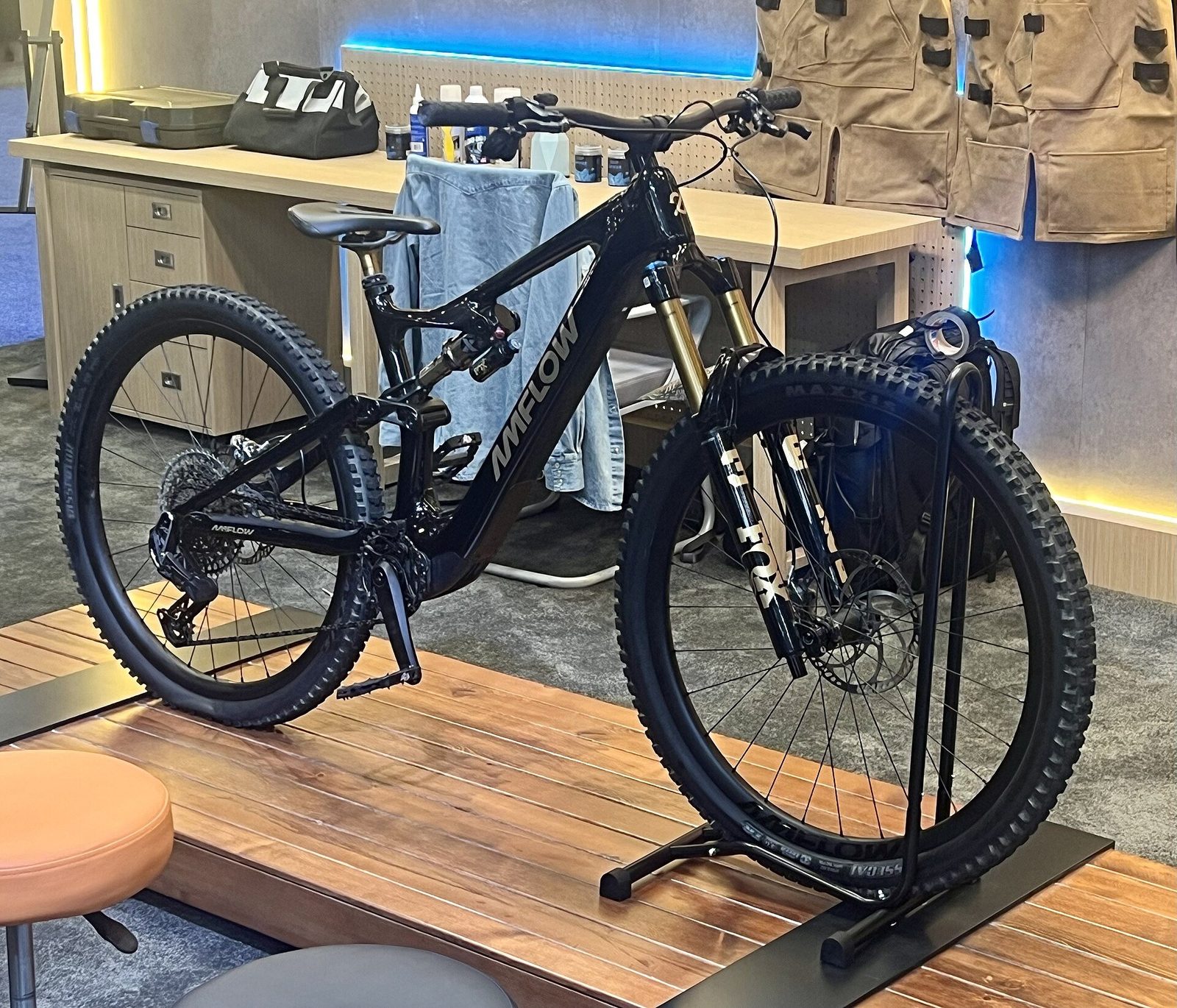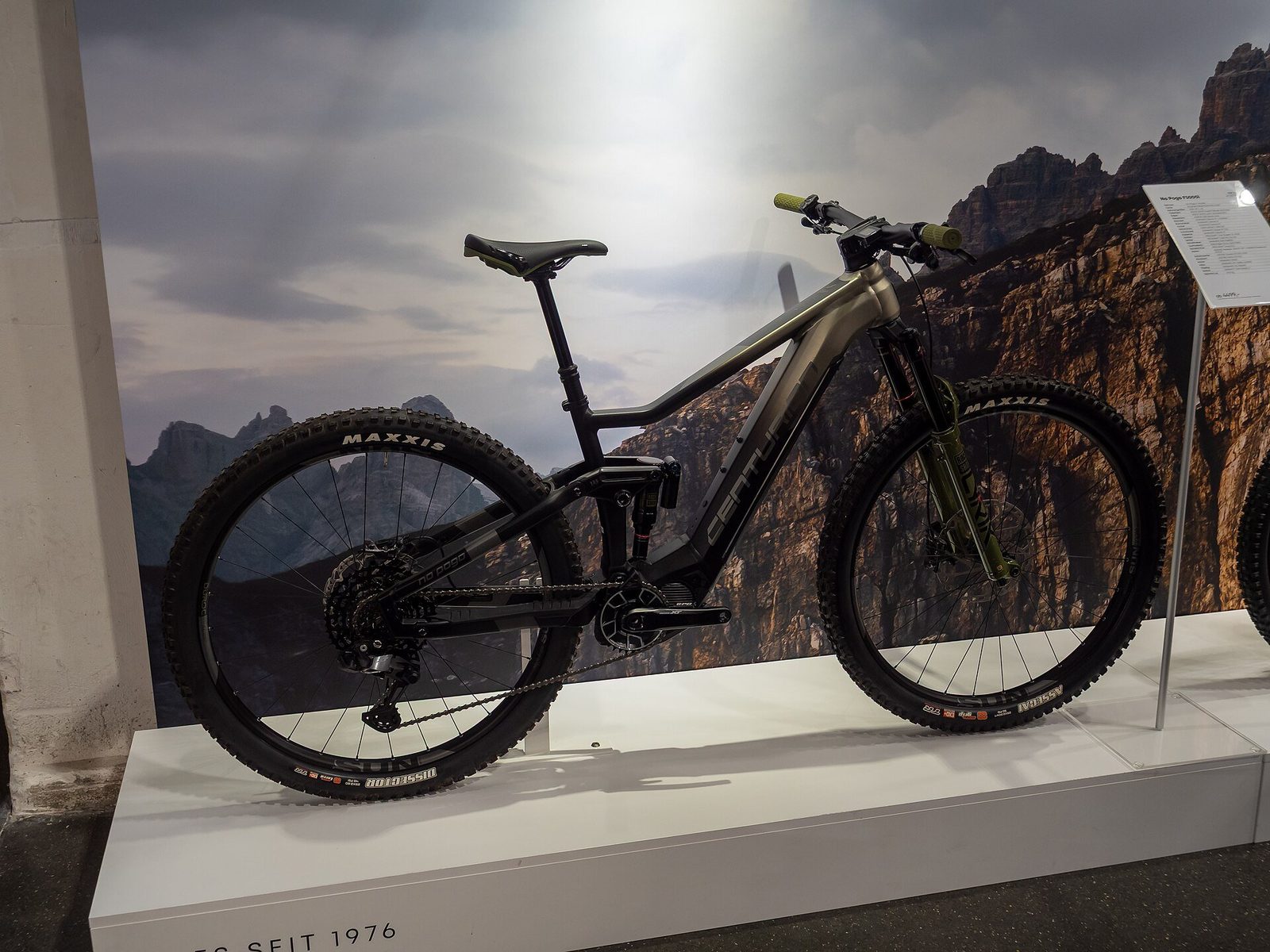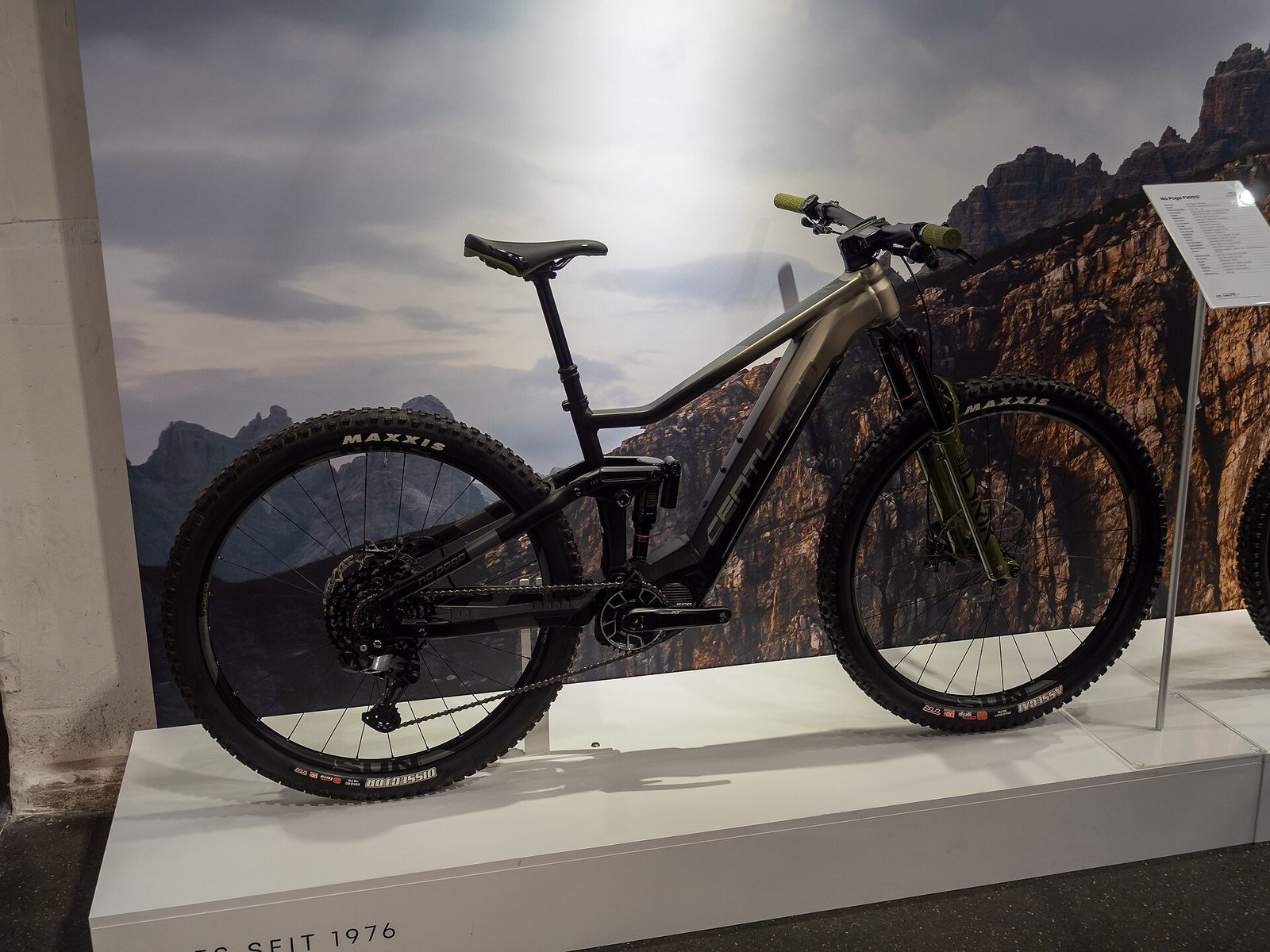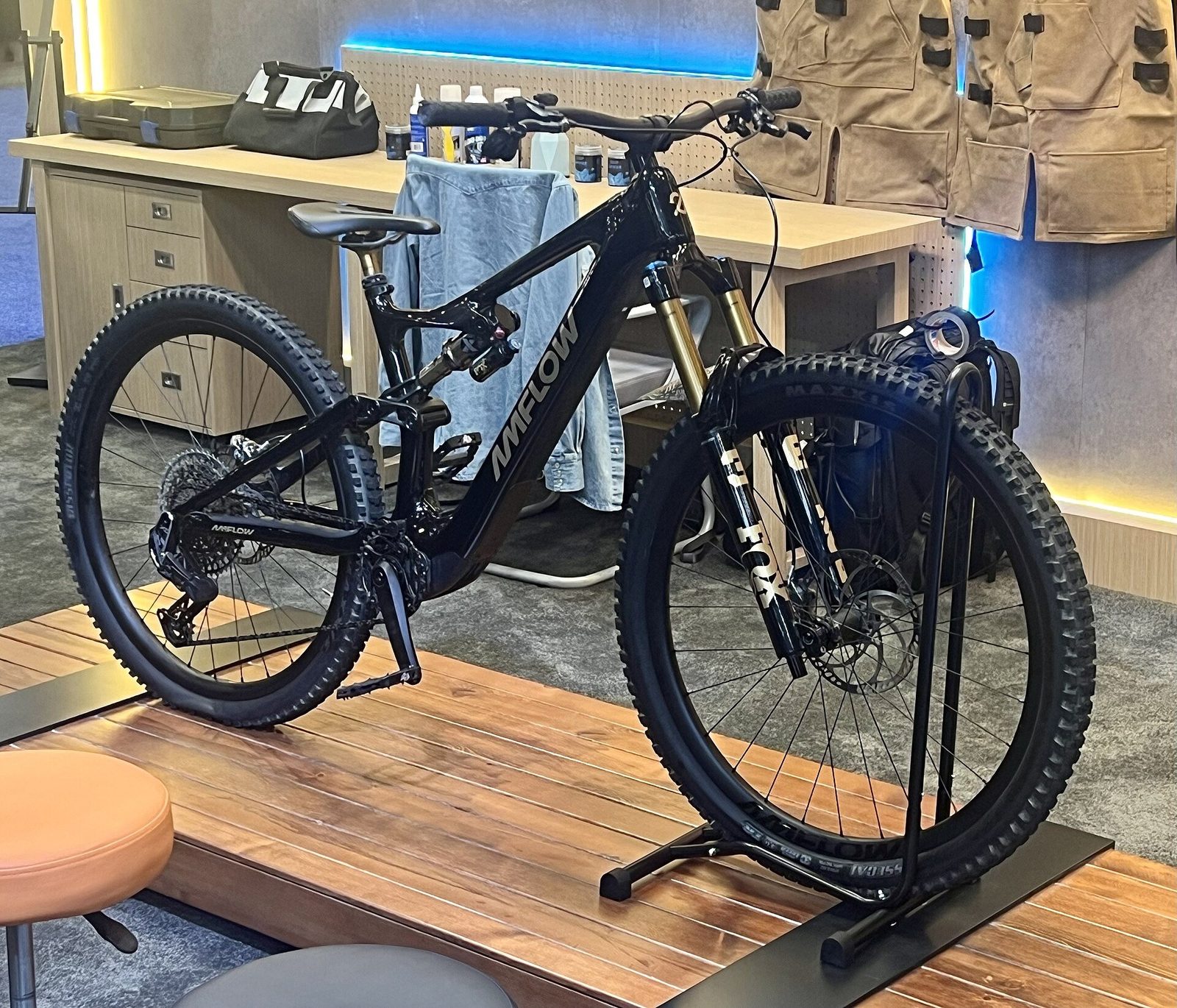
An e-MTB combines the maintenance of a mountain bike (suspension, drivetrain, brakes) with e-bike electronics — ridden hard, in dirt. Here's the routine that keeps it alive.
The e-MTB maintenance calendar
- Every ride: quick bolt check, tire pressure, chain wipe-and-lube if dusty
- Monthly: brake pad check, spoke ping test, suspension sag check, drivetrain wear check
- Quarterly: deep clean (no pressure washer), torque-check critical bolts, inspect tires for cuts
- Yearly: suspension lower-leg service, brake bleed if spongy, full drivetrain assessment, shop tune
Chain maintenance for e-bikes
E-bike chains — especially on mid-drives — live harder lives than regular bike chains. All that motor torque stretches them faster. A stretched chain then eats your cassette and chainring, turning a $20 part into a $150 repair.
- Lube every 100–200 miles (more in wet/dusty conditions). Wipe the chain clean first; overlubing attracts grime.
- Check stretch with a $10 chain checker tool every few months. Replace at 0.5% wear on mid-drives, 0.75% on hub-drives.
- Use e-bike-rated chains if available — they're built for higher torque loads.
- Keep the drivetrain clean; a gritty chain wears everything it touches.
Mid-drive owners: ease off the pedals slightly when shifting under power. Shifting under full motor load is what kills drivetrains.
Setting up e-bike suspension
Most e-bike suspension arrives set for nobody in particular. Two adjustments matter:
- Sag: with you sitting on the bike in riding position, the suspension should compress ~25–30% of its travel. Add air (with a shock pump) if it sags more, release if less. This single setting transforms ride quality.
- Rebound: the dial controlling how fast the shock extends after compression. Too fast and the bike pogo-sticks; too slow and it "packs down" over repeated bumps. Start in the middle and adjust by feel.
E-bikes are heavy — you'll likely need more air pressure than the chart suggests for your weight. And service intervals are real: lower-leg service yearly, full service every couple of years, more often in wet/muddy conditions.
Spoke maintenance on hub-motor wheels
Hub motors put unusual stress on spokes: the motor's torque and weight load the rear wheel asymmetrically. Loose spokes are the #1 cause of mysterious clicks and the slow death of rear wheels on hub-drive e-bikes.
The ping test: pluck each spoke like a guitar string. They should all ring at roughly the same pitch. A dull thud means a loose spoke. Check quarterly, and after the first 200 miles on a new bike (spokes bed in and loosen early).
Tightening spokes is easy to get wrong — over-tightening pulls the wheel out of true. If several spokes are loose or the wheel wobbles, let a shop true and tension it properly. It's a cheap service that saves an expensive wheel rebuild.
How to clean an e-bike safely
E-bikes fear two things: pressure washers and submersion. Everything else is fine.
- Remove the battery and cover the battery mount contacts.
- Rinse gently with a low-pressure hose or bucket and sponge — never a pressure washer, which forces water past seals into motors, bearings, and displays.
- Wash with bike-safe soap, soft brush for the drivetrain.
- Dry thoroughly, especially around the display, charging port, and connectors.
- Re-lube the chain once dry.
- Reinstall the battery only when everything is dry.
For light dust, a damp microfiber cloth is all you need — most e-bikes never need more than that between deep cleans.
Frequently asked questions
How often do e-MTB chains need replacing?
More often than acoustic bikes — check wear every few months. Mid-drive e-MTBs can kill a chain in 1,000–1,500 hard miles.
Can I pressure-wash my e-MTB?
No. Use a bucket and sponge or low-pressure hose. Pressure washers force water into motors, bearings, and electronics.