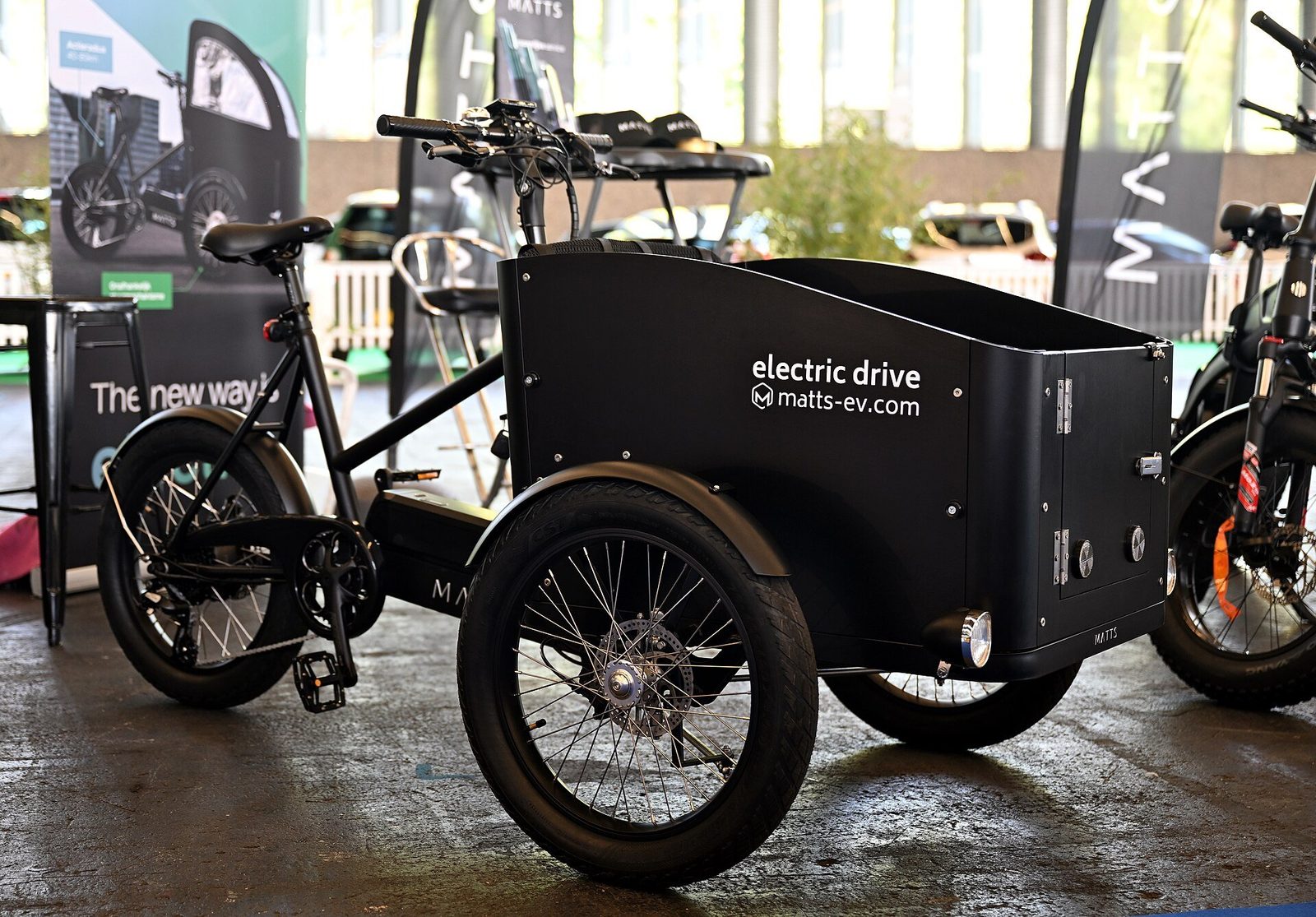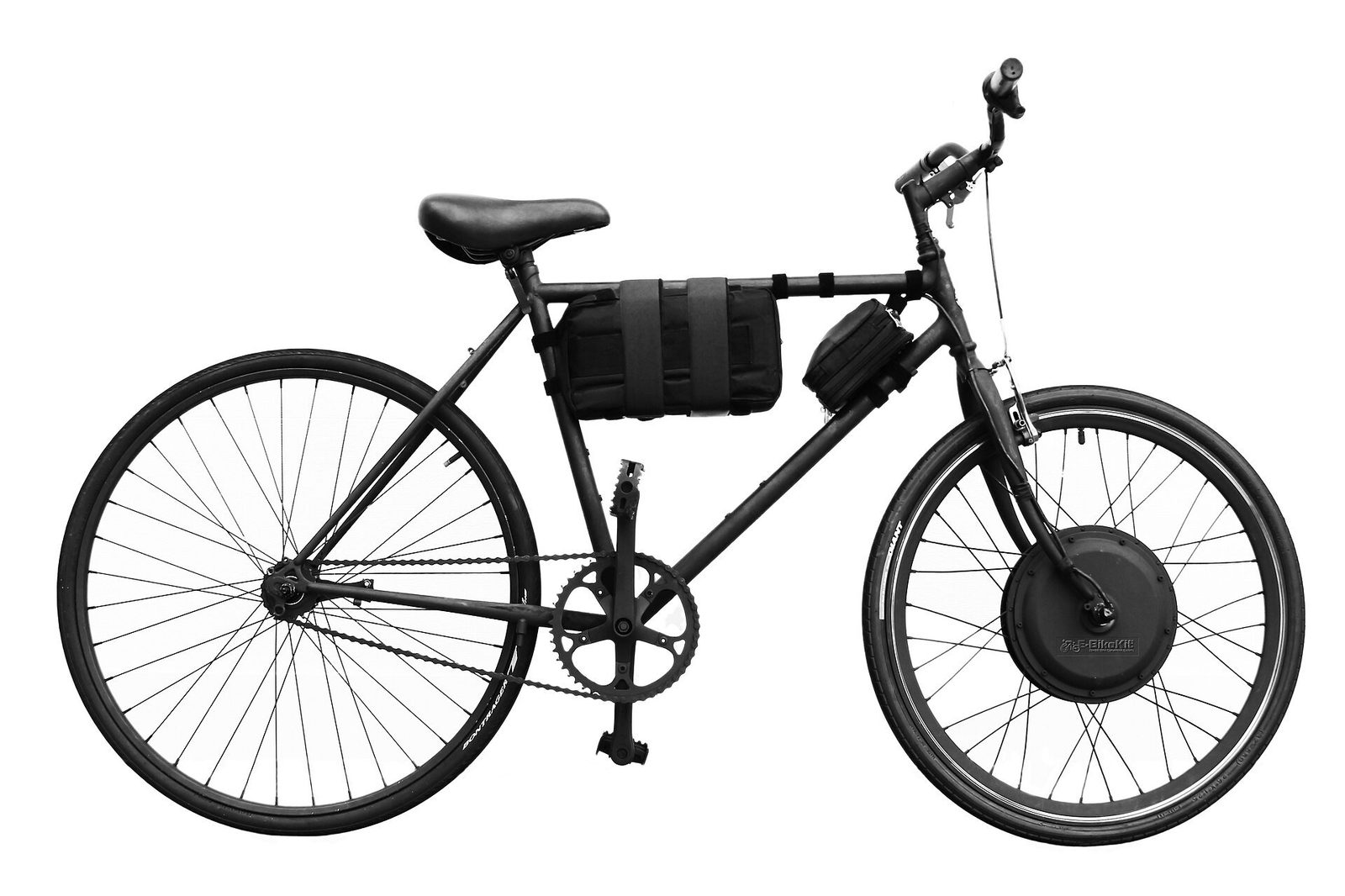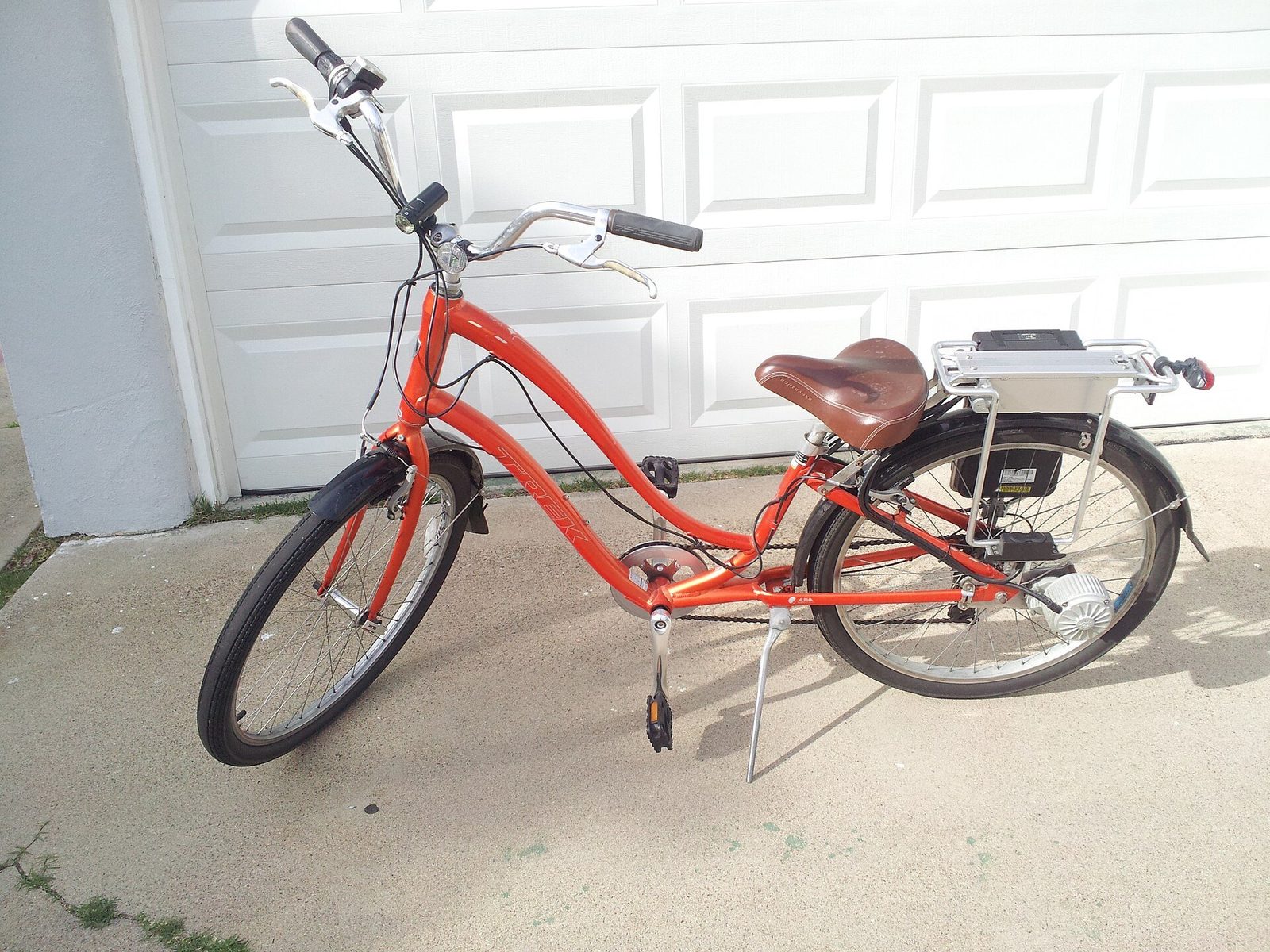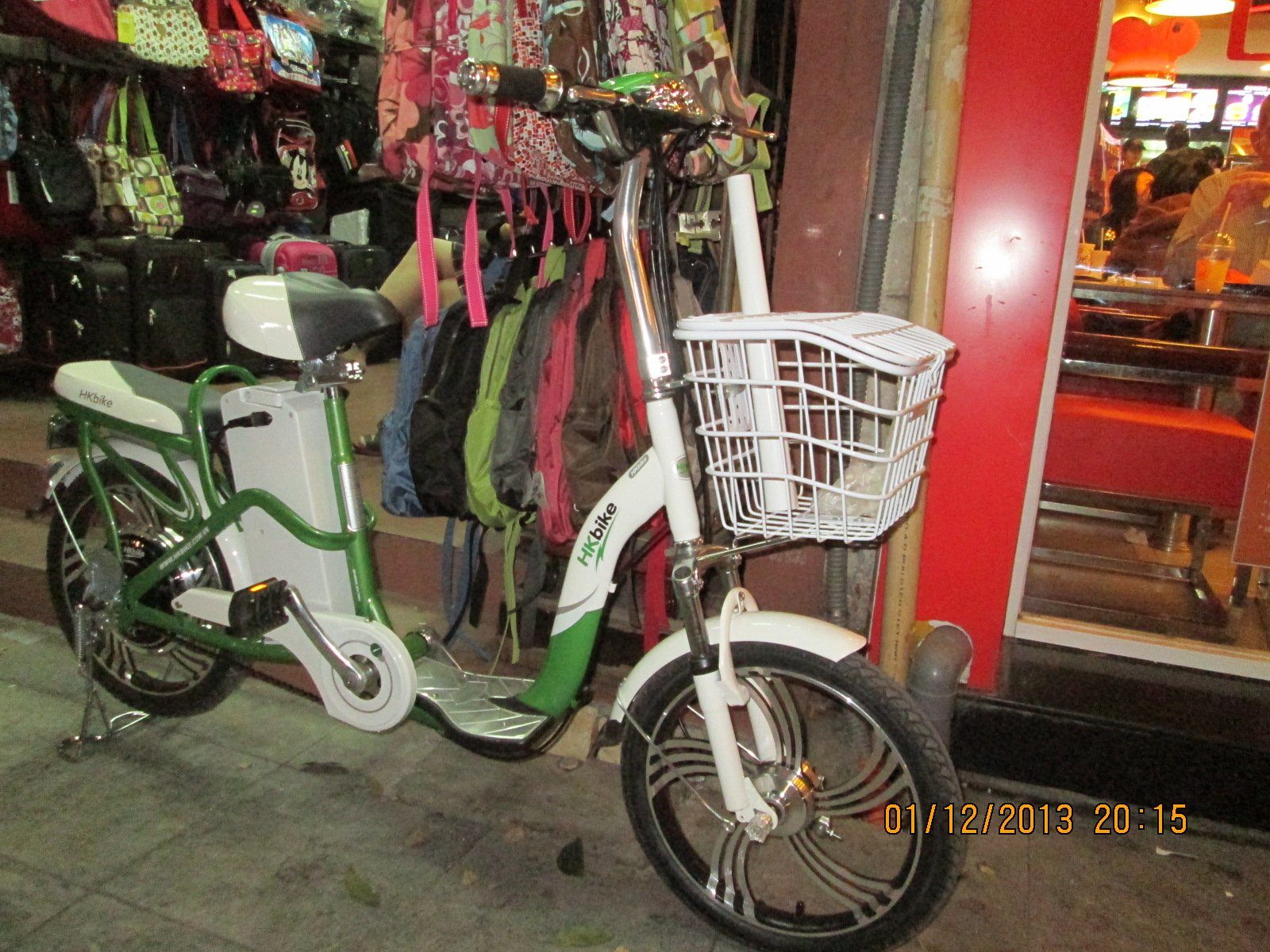
E-bikes are heavy and fast, which makes brakes more important than on regular bikes. Here's the honest comparison.
Hydraulic vs mechanical disc brakes
Mechanical disc brakes pull the caliper with a cable. They're cheaper, field-serviceable with basic tools, and perfectly adequate for lighter riders on flat terrain. Downsides: less power, more hand effort, and cables stretch and need periodic adjustment.
Hydraulic disc brakes use fluid to multiply your lever force. More stopping power with less effort, better modulation, self-adjusting for pad wear. On a 60-lb e-bike — especially carrying cargo or descending hills — that extra power is a genuine safety margin, not a luxury.
Our take: under $1,500, good mechanical discs are acceptable. Above that, or for cargo, hills, or heavier riders, insist on hydraulics. And whatever you have, learn to check pad wear — e-bikes eat brake pads faster than regular bikes.
When and how to replace brake pads
E-bikes are heavy and fast, so they chew through brake pads. Check pad thickness monthly — most pads have wear indicators or grooves; when the pad material is under ~1mm, replace. Warning signs: squealing that wasn't there before, longer stopping distances, or a lever that pulls closer to the bar.
Replacement is a straightforward DIY job (pads slide out of the caliper, usually without tools beyond an Allen key), but bedding in new pads matters: do 10–15 firm stops from moderate speed to transfer pad material to the rotor evenly. Skip this and your brakes will feel weak and noisy for weeks. If you're not comfortable working on brakes — the one system you truly depend on — a shop charges little for the job.
Frequently asked questions
Are mechanical brakes safe on e-bikes?
Decent mechanical discs are safe for lighter riders on flat terrain. For hills, cargo, or heavier riders, hydraulics are strongly recommended.
Can I upgrade mechanical to hydraulic later?
Yes — it's a common upgrade (~$100–200 per wheel for the set). Factor it into budget-bike math.