Virginia uses the standard 3-class system. Below are the key rules for riding an e-bike in Virginia — laws change, so verify against current state statutes before you ride.
- Virginia uses the standard 3-class system.
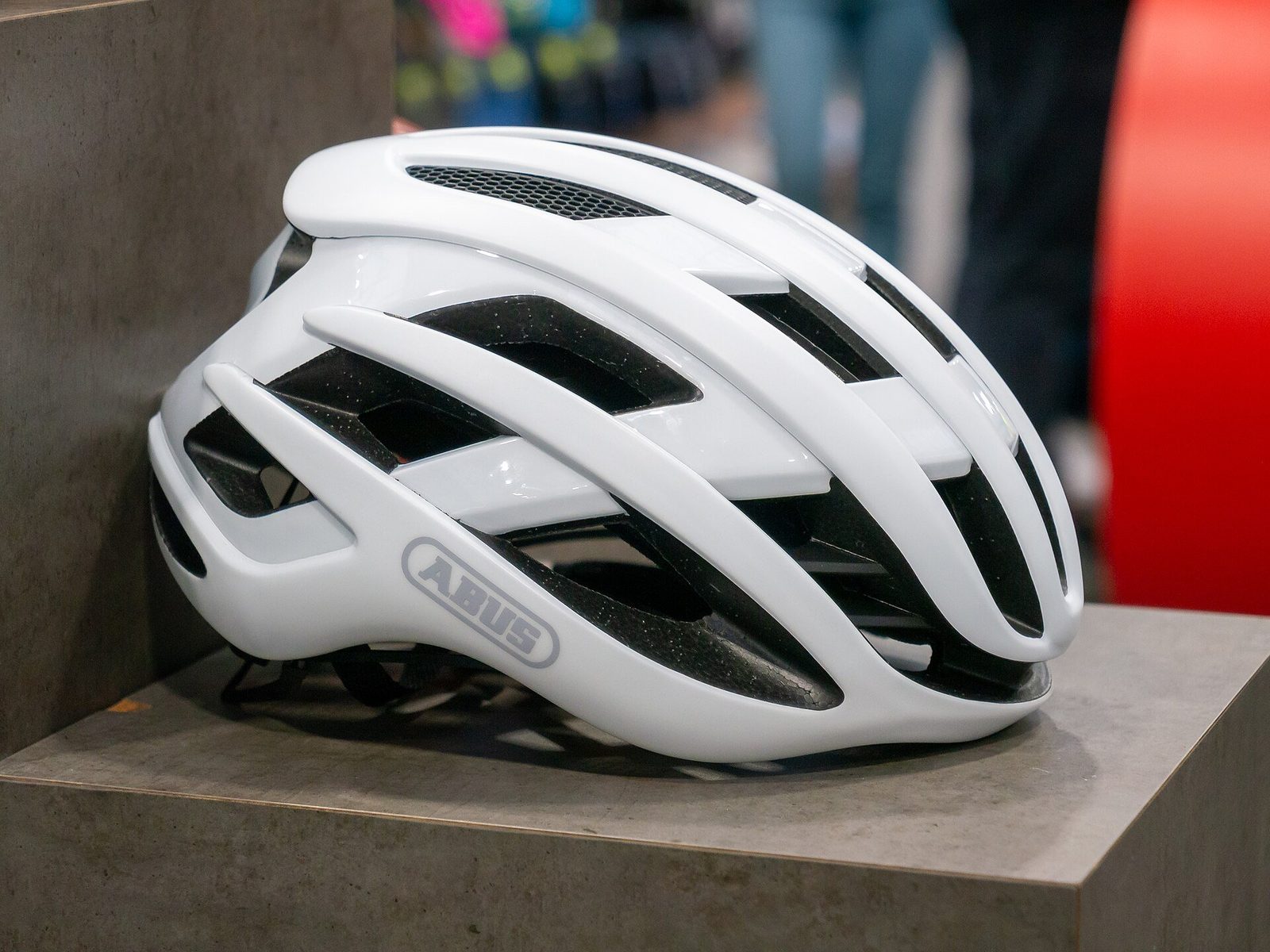
- Helmets: all Class 3 operators and passengers (any age); under 15 on all classes (local ordinances may extend).
- Verify against current statutes before riding.
Quick facts
| Rule | Detail |
|---|---|
| Classification | 3-class system: yes |
| Helmet required | all Class 3 operators and passengers (any age); under 15 on all classes (local ordinances may extend) |
| Minimum age | 14 (Class 3) |
| Class 1 allowed | roads, bike lanes, shoulders, and shared-use paths (restricting Class 1/2 on a path requires a formal notice-and-hearing process) |
| Class 2 allowed | roads, bike lanes, shoulders, and shared-use paths (restricting Class 1/2 on a path requires a formal notice-and-hearing process) |
| Class 3 allowed | roads, bike lanes, and shared-use paths; simpler for localities to restrict |
Source: state law tracker — last verified 2026-10-06.
What the class system means here
In Virginia, the class of your e-bike determines where you can ride it. Class 1 (pedal-assist to 20 mph) is the most widely accepted — most bike lanes, paths, and many natural-surface trails. Class 2 (throttle to 20 mph) is broadly allowed on roads and paths but faces more trail restrictions. Class 3 (pedal-assist to 28 mph) is built for road commuting and commonly carries helmet and minimum-age rules.
Va. Code 46.2-904.1/908.1. No license, registration, or insurance. Class 3 requires a speedometer and permanent label; under-14 may operate Class 3 only under immediate supervision of an 18+ adult. Modifying a bike's motor speed capability without relabeling is illegal. Sidewalks governed by local ordinance.
Helmet and age rules
Helmets: all Class 3 operators and passengers (any age); under 15 on all classes (local ordinances may extend). Minimum age: 14 (Class 3). Even where not legally required, we recommend helmets for all e-bike riding — e-bike crashes happen at higher average speeds than regular bike crashes.
Where you can ride
natural-surface trails per land manager; many limit access to Class 1 only
General guidance: bike lanes and roads are open to all classes almost everywhere. Multi-use paths usually welcome Class 1 and 2; Class 3 is often restricted. Natural-surface trails depend on the land manager — check Trailforks or the managing agency. Sidewalks are frequently off-limits to e-bikes.
Local rules can differ
Cities and counties can set stricter rules than the state — speed limits on paths, park-specific bans, and local registration quirks. If you ride in a specific city or park system regularly, check its ordinances too.
Frequently asked questions
Do I need a license to ride an e-bike in Virginia?
In most states, no license, registration, or insurance is required for Class 1–3 e-bikes — they're regulated as bicycles, not motor vehicles. Verify current Virginia statutes, as rules evolve.
Are e-bikes allowed on trails in Virginia?
It depends on the land manager. Class 1 e-bikes are the most widely accepted on natural-surface trails; always check the specific trail system's published rules.
How current is this information?
Last verified 2026-10-06. E-bike laws change frequently — treat this as a starting point and confirm against official state sources.