E-bike crashes happen at higher average speeds — helmet choice matters more, not less. Here's what to look for.
Choosing an e-bike helmet
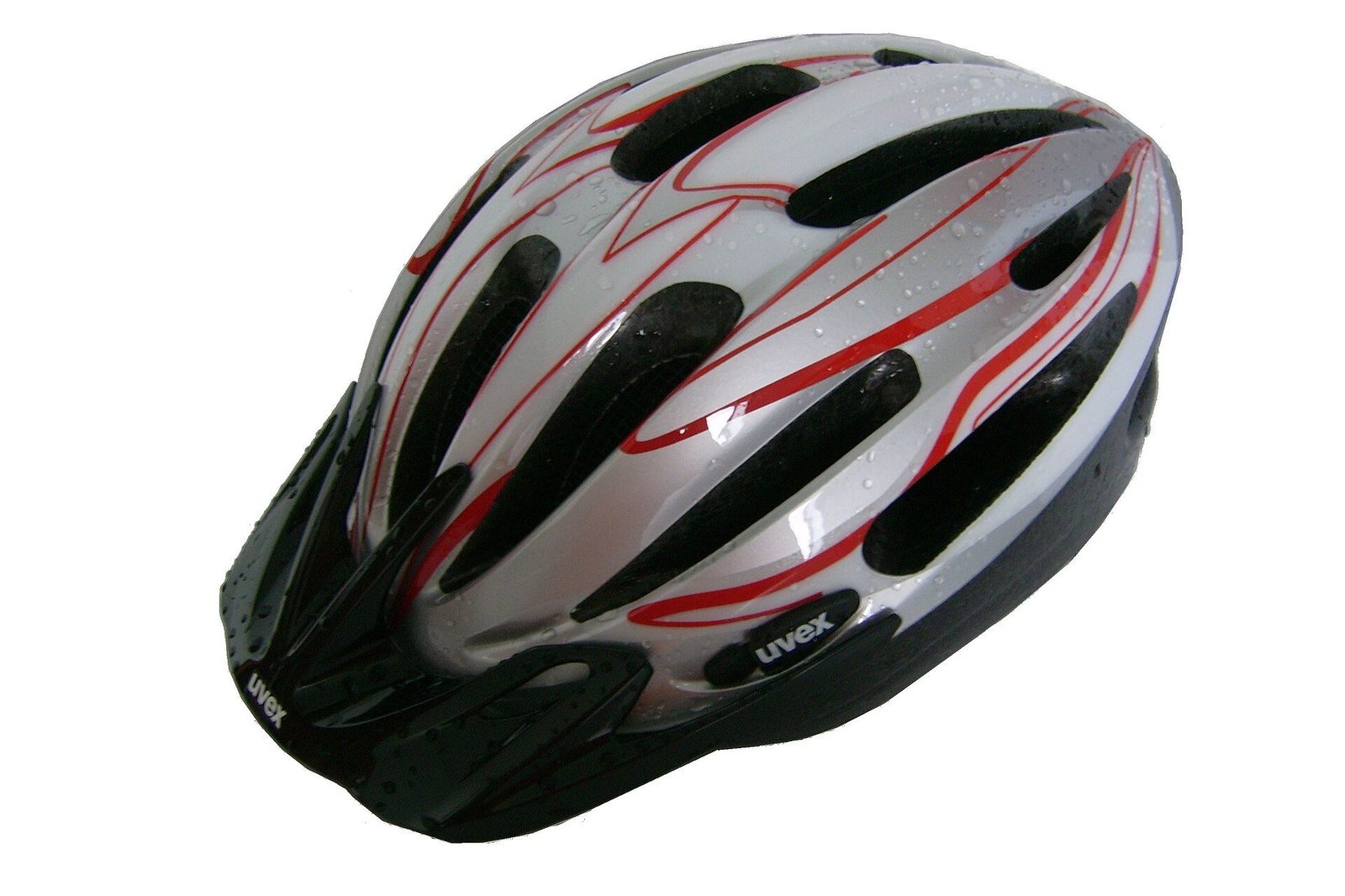
Any certified helmet (CPSC in the US, CE EN 1078 in Europe) is vastly better than none. Beyond that:
- MIPS or similar rotational protection — worth the small premium; most crash forces are angled, not straight-on.
- E-bike rated (NTA 8776) helmets are tested for higher-speed impacts — sensible for Class 3 riders regularly doing 28 mph.
- Fit is everything: snug without pressure points, sits level (not tipped back), straps form a V under the ears. Try before you buy.
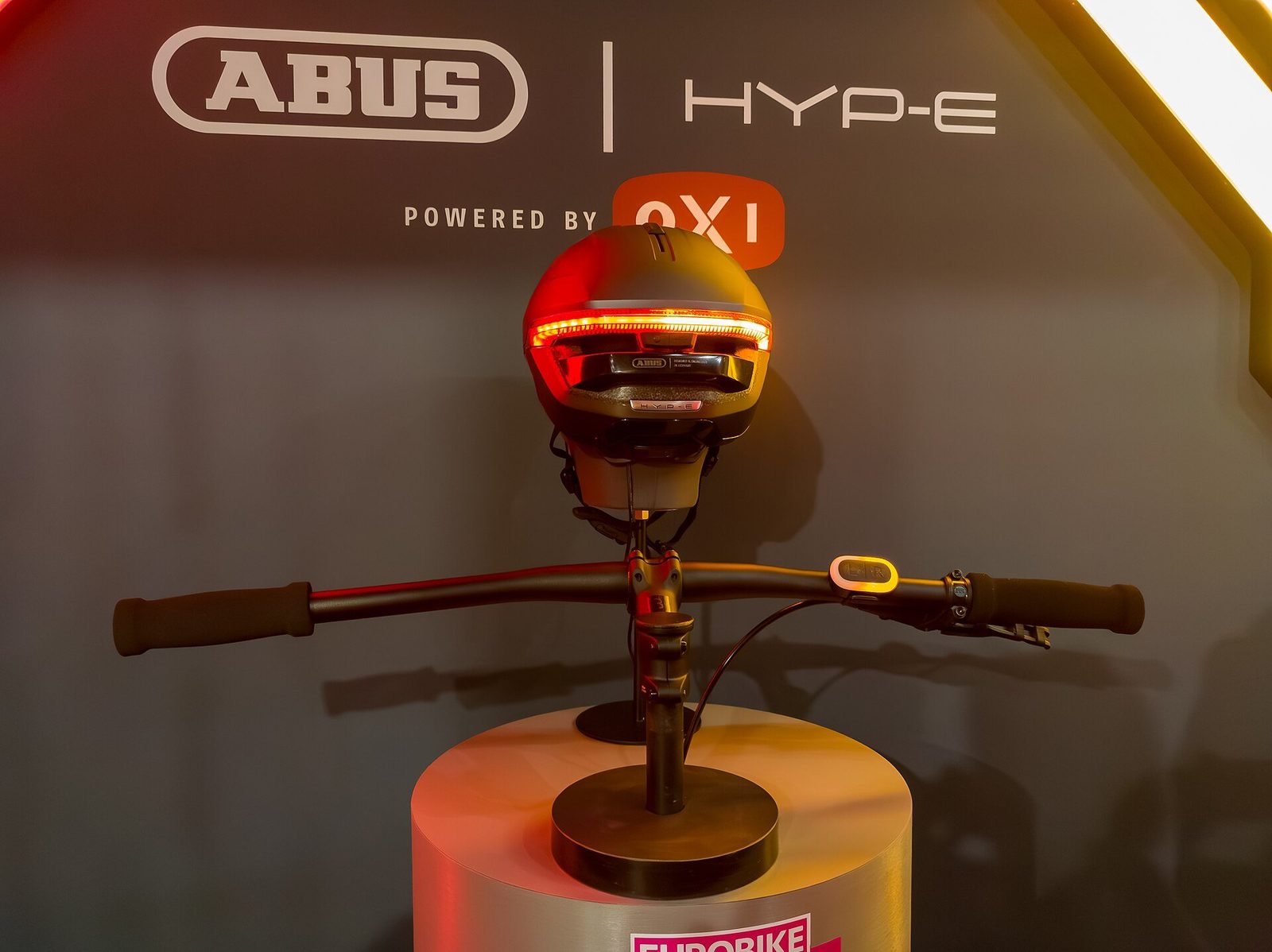
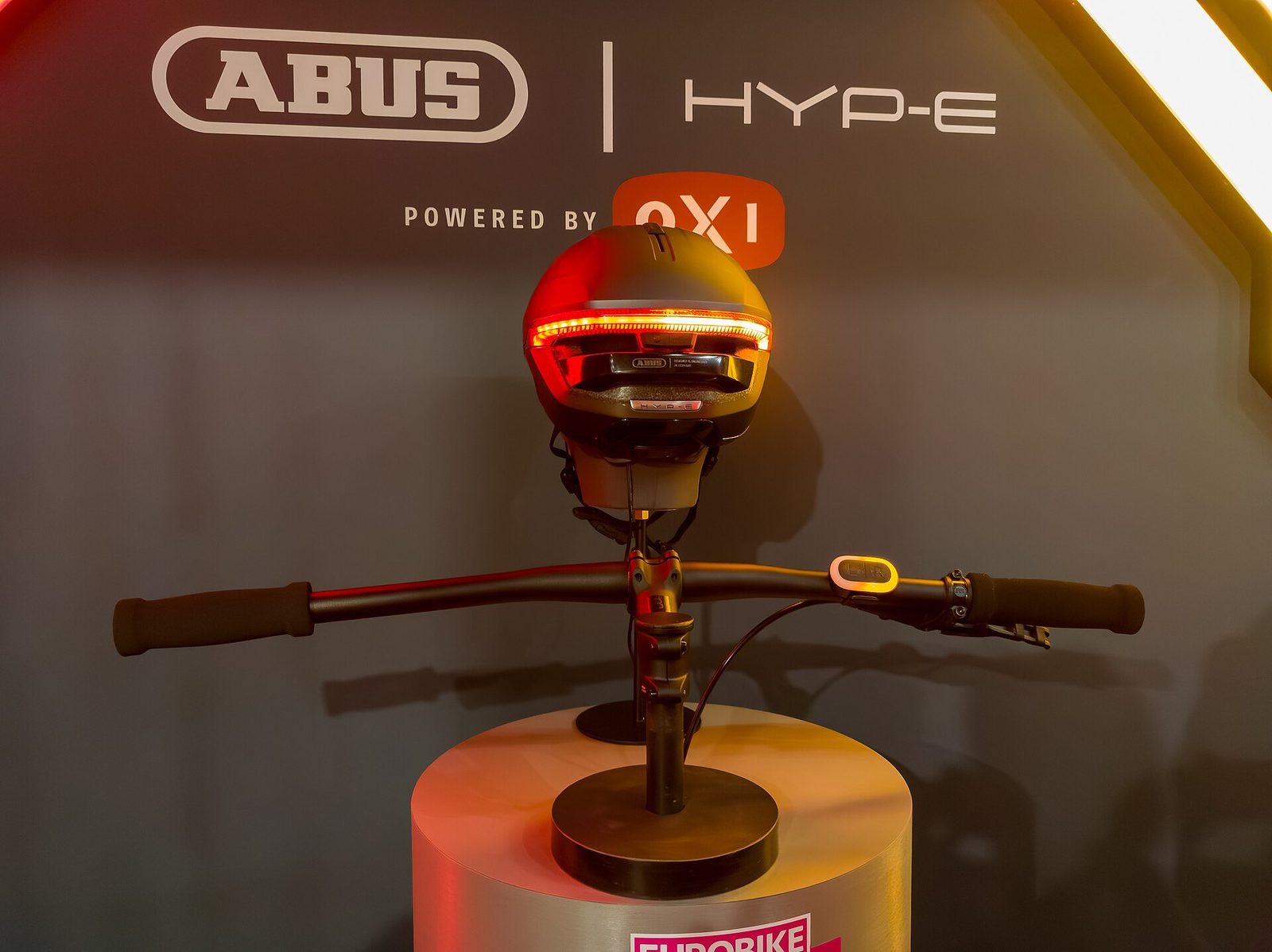
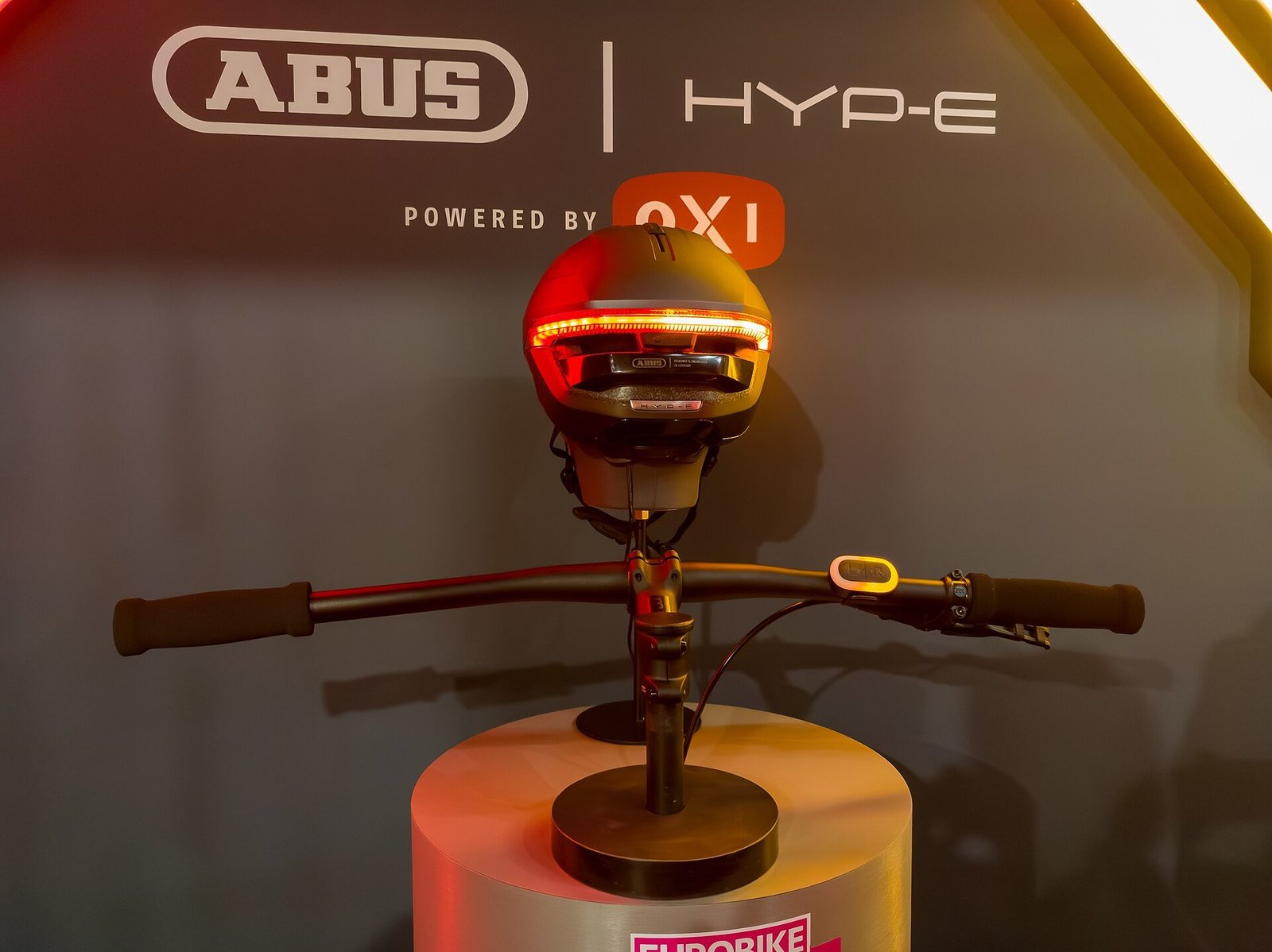
- Commuter-friendly features: integrated rear light, visor, ponytail-compatible fit, ventilation for summer.
- Replace after any crash — foam crushes once. Also replace every ~5 years as materials degrade.
E-bike helmet laws: the general picture
US helmet law for e-bikes is a state-by-state patchwork:
- Many states require helmets for Class 3 riders (and often for all riders under 16–18).
- A few states require helmets for all e-bike riders; many require none for adults on Class 1/2.
- Local ordinances can be stricter than state law.
Our take regardless of law: wear one. E-bike crashes happen at higher average speeds than regular bike crashes, and head injuries are the catastrophic outcome helmets prevent. Check your specific state's page in our laws section for the exact rules where you ride.
Frequently asked questions
Do I need a special e-bike helmet?
Not legally in most places, but NTA 8776 e-bike-rated helmets are tested for higher-speed impacts — sensible for Class 3 riders.
How often should I replace my helmet?
After any crash, or every ~5 years as materials degrade. A $70 helmet replaced on schedule beats a $200 helmet from 2012.